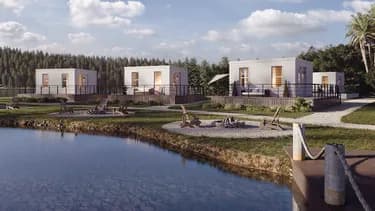
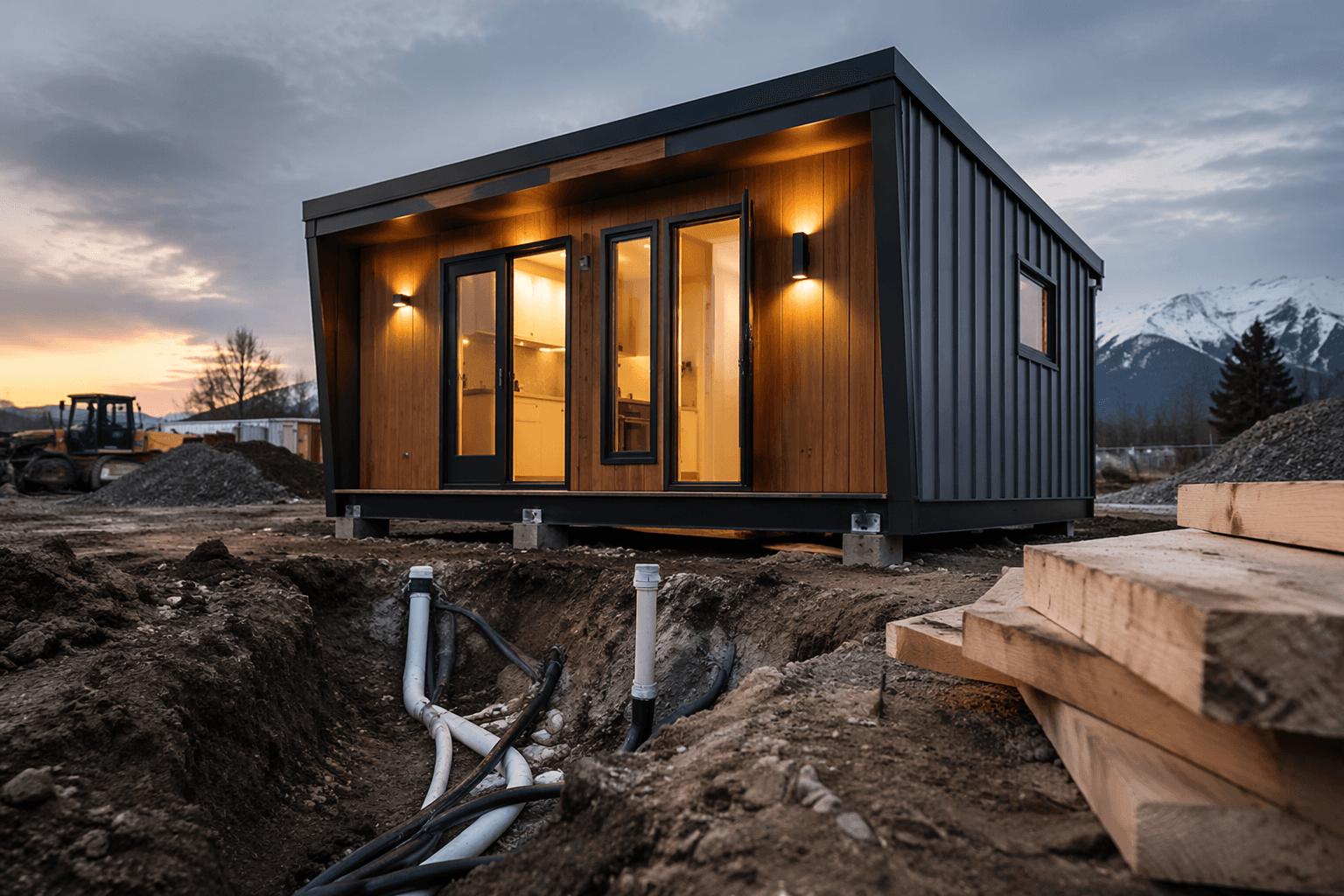
Eco Tiny House’s Klick packs year-round comfort into 161 square feet
Klick is built like a real home, not a photo prop, with 161 square feet, proper heat and cooling, and a lofted queen bed.
Why Klick feels different from the average tiny house
Eco Tiny House’s Klick is aimed at the question people actually ask when they look past the cute factor: can a tiny house work as a real, all-season home? The answer here leans yes, because the Romanian builder has packed the model with the kind of practical details that make full-time living plausible, from proper heating to a complete bathroom and a loft that fits a queen-size mattress.
At 15 m² of floor area plus a sleeping gallery, Klick is small by any standard, but the design is meant to feel finished rather than stripped down. That matters in a market full of novelty cabins that look charming online and become frustrating once you try to cook, sleep, shower, and store actual belongings inside them.
A compact footprint with real-world proportions
Klick is built on a trailer and measures 2.55 m wide, 6.00 m long, and 3.4 m high, with a weight of about 3.5 tonnes. Those dimensions keep it firmly in mobile tiny-house territory while still allowing enough structure for a livable interior layout. Eco Tiny House says the model is marketed for 1 to 4 people, which puts it in range for a couple, a small household, a guesthouse, or an income-producing rental.
The house is also offered with two layout options, and both versions keep a similar floor plan. That kind of flexibility is useful in tiny-house planning, because it lets buyers choose between more seating in the main living area or a larger cabinet for storage without changing the basic logic of the home.
What the interior gives you, room by room
The main living area is arranged to do more than one job at once. In one layout, Eco Tiny House uses integrated seating, an armchair, and a coffee table; in the alternate version, storage takes a bigger role through a larger cabinet. The point is not to mimic a conventional living room, but to make the common area functional enough for daily use without feeling overstuffed.
The kitchen follows the same philosophy. It is compact, but it includes a cooktop, refrigerator, and microwave, along with enough storage to keep the space from becoming cluttered. That puts Klick ahead of ultra-basic cabin builds that may offer a counter and little else, because the difference between a weekend hideout and a daily home is often whether the kitchen can support actual routines.
The bathroom is equally important. It stays simple, but it still includes a vanity sink, shower area, and toilet, which is a major reason the unit reads as a serious dwelling rather than a novelty shell. For anyone comparing tiny houses, those fixtures matter more than decorative finishes, because they determine whether the home can function day after day without compromise.
Sleeping happens in the loft, which fits a queen-size mattress and is reached by a ladder. That arrangement preserves floor space below, a classic tiny-house move, but here it serves the larger goal of keeping the main level usable for living instead of turning it into a bed-first studio.
Comfort is built into the structure, not added as an afterthought
Eco Tiny House says Klick is made for all four seasons, and the comfort package backs that up. The standard setup includes bathroom floor heating, floor-heating film in the living-kitchen area, a Daewoo 12,000 BTU air conditioner, and a heat-recovery ventilation system. That combination is the reason this model feels closer to a full-time home than a decorative shed with a ladder.
The company also describes the build as having four-season thermal insulation and a plug-and-play setup. In practice, that means installation and day-to-day use should be simpler than with a more custom, on-site build, though the buyer still has to supply electricity, water, and a wastewater solution. In other words, the house is prepared for use, but it is not a self-sufficient pod.
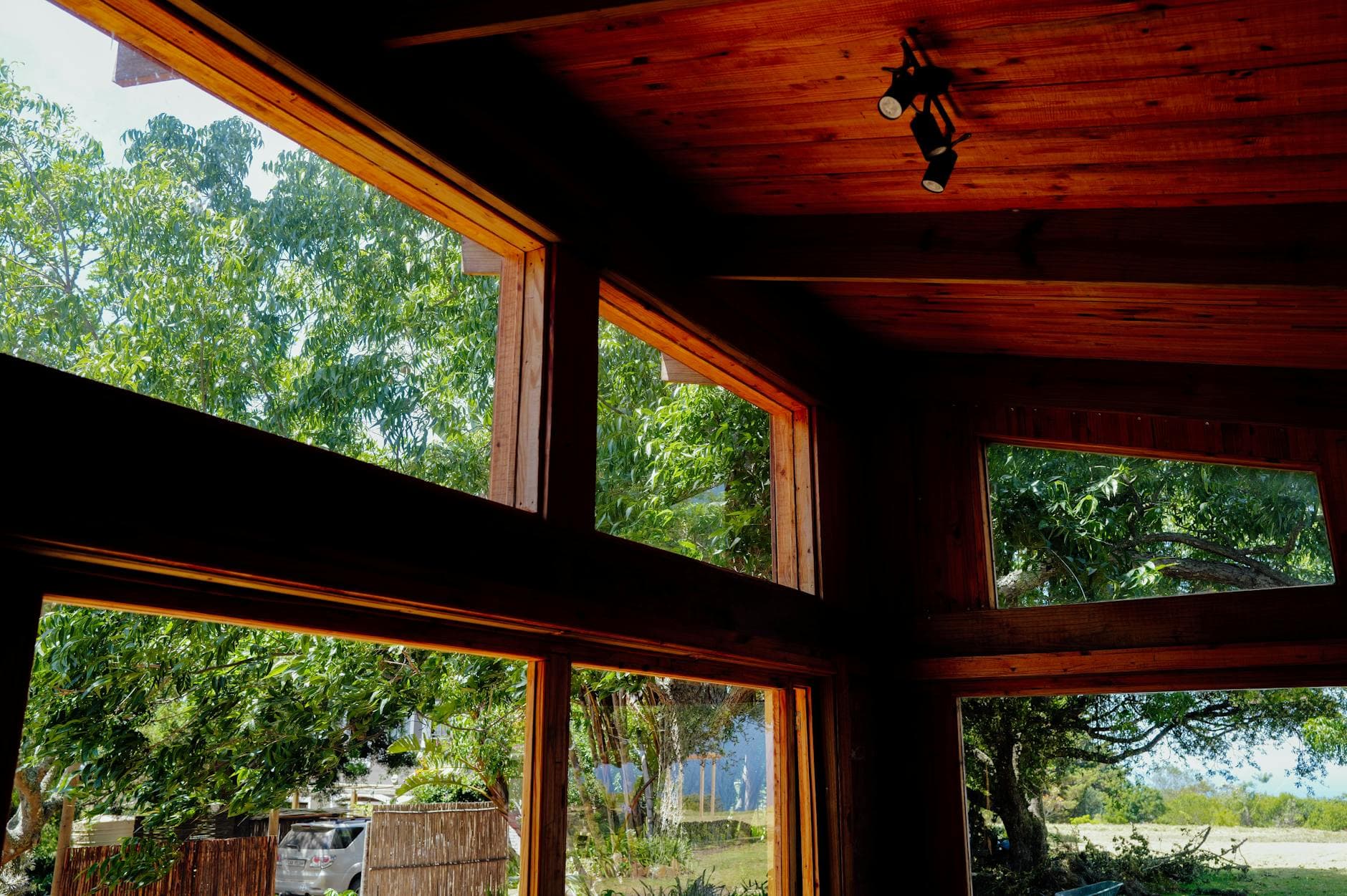
The exterior stays minimal, but not flimsy. Eco Tiny House presents the shell as durable and strong, while the glazing brings daylight into the interior and keeps the compact footprint from feeling closed in. That combination of restraint outside and light inside is one of the reasons Klick reads as practical instead of precious.
Pricing, warranty, and setup are part of the pitch
The price helps explain why Klick is getting attention. Eco Tiny House lists a starting price of €49,000 plus VAT on its main product page, while the German-language page lists a base price of €35,000 plus VAT. However the buyer reads that spread, the house sits in the more accessible end of the new tiny-house market for a unit that includes a bathroom, kitchen, heating, cooling, and a trailer-based structure.
Eco Tiny House also says Klick comes with a 5-year warranty. For buyers weighing the jump into tiny-house living, warranty coverage can matter as much as the floor plan, because the appeal of a compact home disappears quickly if the systems behind it are hard to service.
Why the builder’s background matters
Klick makes more sense when you look at the company behind it. Eco Tiny House says it has more than 500 happy tiny-house owners and has been building since 2017. Independent company profiles place the firm in Miercurea Ciuc, Romania, in Transylvania, and identify founder Szakács Botond as the engineer who started the company after building his first tiny house on a Lincoln trailer with friends.
That origin story lines up with the way the company presents itself now: not just as a home builder, but as a larger manufacturer working across both B2C and B2B sales. Eco Tiny House says it serves private buyers as well as glamping and golf resort projects, and it describes itself as one of the larger tiny-house manufacturers in the EU. A 2023 Romanian business interview said the company expected nearly 140 houses that year and more than 5 million euro in business, with plans to expand into the United States.
A business database profile adds another layer, saying Eco-Tiny House SRL was established on March 29, 2017, and had 55 employees in 2025. That scale helps explain why Klick lands as a polished product rather than an experimental one. It comes from a builder that already operates in a commercial tiny-house market where durability, repeatability, and permit sensitivity matter.
A tiny house built for practical use, not just aspiration
Klick’s strongest argument is not that it is cute or clever. It is that it treats tiny-house living as a question of function first: can you sleep well, cook properly, stay warm, stay cool, and move in without immediately outgrowing the space? With a queen-size loft, a complete bathroom, a real kitchen, and all-season climate systems, the answer looks more convincing here than in many novelty-driven models.
For buyers looking at a tiny house as a full-time home, a guest unit, or a rental that can hold up through every season, Klick is the kind of release worth watching because it keeps the promise of tiny-house living grounded in the parts that actually make daily life work.
This article was produced by Prism’s automated news system from verified source data, official records, and press releases, then run through automated quality and moderation checks before publishing. The system is built and supervised by the people who set the standards it runs under. Read our full AI policy.
Did this article answer your question?