Simple Living Tips Help Tiny House Families Reduce Stress and Clutter
A California tiny-home setup and new minimalism research show why families are embracing less clutter, lower stress, and one-room-at-a-time habits.
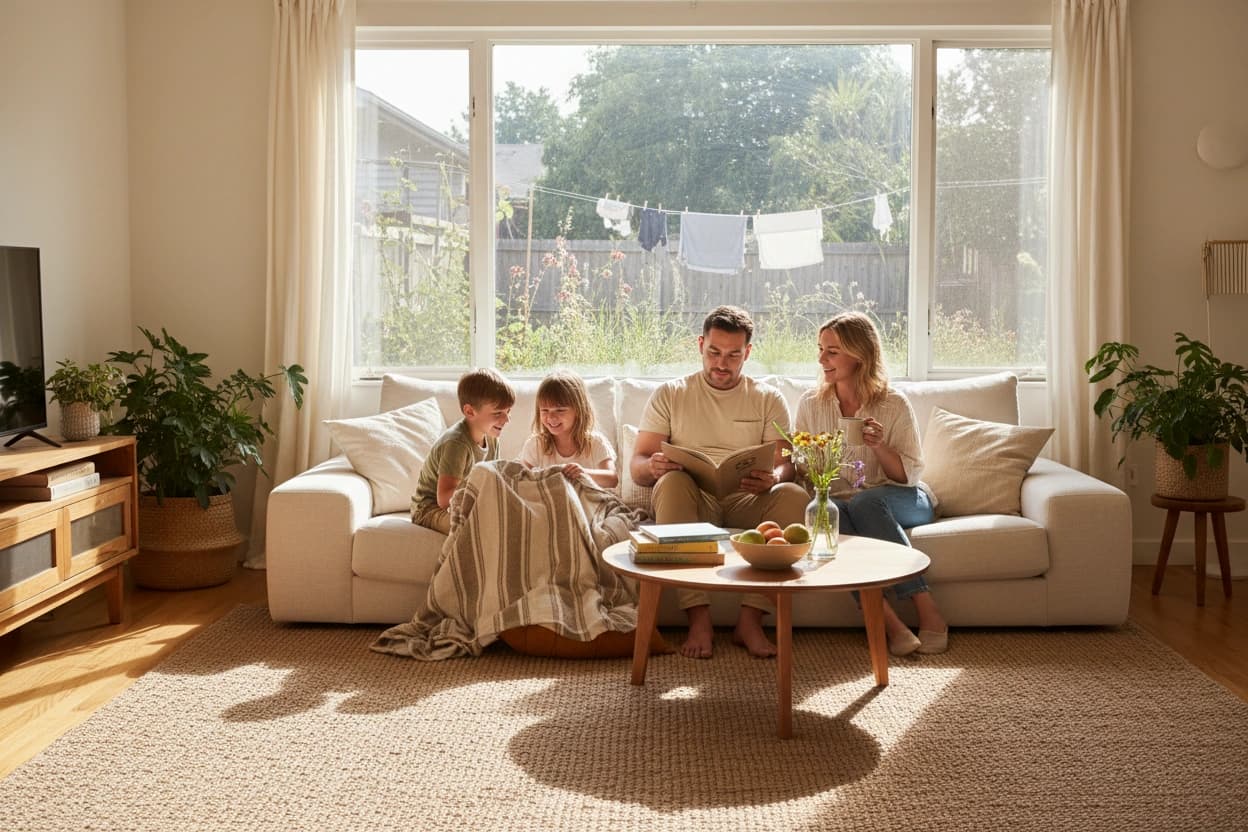
Tiny living works best when the household treats it like a system
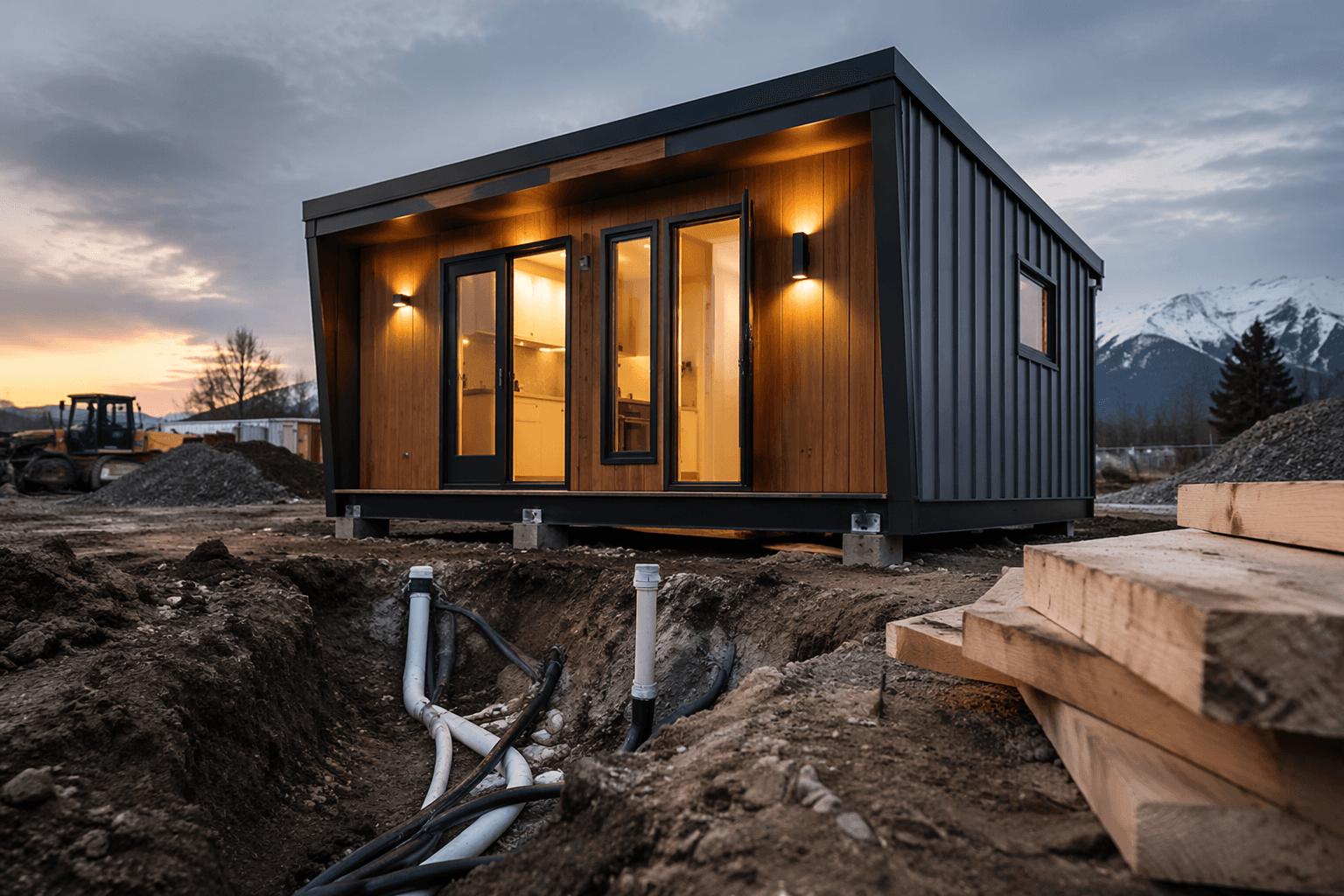
Opal Reinbold’s 498-square-foot tiny home on her daughter’s California property shows the family side of downsizing in a very concrete way. It is not just about having less space. It is about building a home that keeps relatives close, daily routines intact, and clutter under control. AARP’s Going Tiny with AARP series has made that same point across generations, while the International Code Council says tiny houses and accessory dwelling units are increasingly part of the conversation for new homeowners and downsizers.
That broader housing picture matters because tiny living is no longer just a design trend. The 2018 International Residential Code’s Appendix Q defines a tiny house as 400 square feet or less, excluding lofts, and the International Code Council notes that some tiny houses are built on wheels while others are built directly on a foundation. In other words, the movement now sits at the intersection of housing affordability, zoning, and code questions, not just square footage.
Why simple living feels easier to sustain
The most useful thing about simple living is that it is practical. The idea is not deprivation, but a more intentional home environment with lower costs, fewer excess purchases, and less clutter competing for attention. For families, that can translate into less stress, stronger relationships, and more financial flexibility, because the household is spending less time and money managing stuff that does not earn its keep.
There is also a growing sustainability case. A 2025 study of 444 people found that minimalism was negatively associated with ecological footprint and negative affect, and positively associated with positive affect. A separate 2025 review said reduced consumption may lower emissions, but the carbon-impact evidence is still inconclusive. The takeaway is balanced but encouraging: simple living appears to support wellbeing, and it may help shrink a household’s footprint, even if the emissions picture is still being sorted out.
The habits that matter most in a family home
The clearest advice is to start small, one room at a time. That gradual approach is what makes minimalism family-friendly, because it preserves routine while the house is being simplified. A full-home purge can overwhelm a household fast; one room at a time keeps the process manageable and gives parents and kids a visible win without blowing up the week.
The real payoff comes from making deliberate decisions about what enters the house and what stays. That means treating every purchase as part of a larger system, not a one-off decision. Once the household starts thinking that way, it becomes easier to reduce excess purchases, protect the things that truly support daily life, and keep rooms feeling calmer and more functional instead of just emptier.
A practical family reset usually comes down to habits like these:
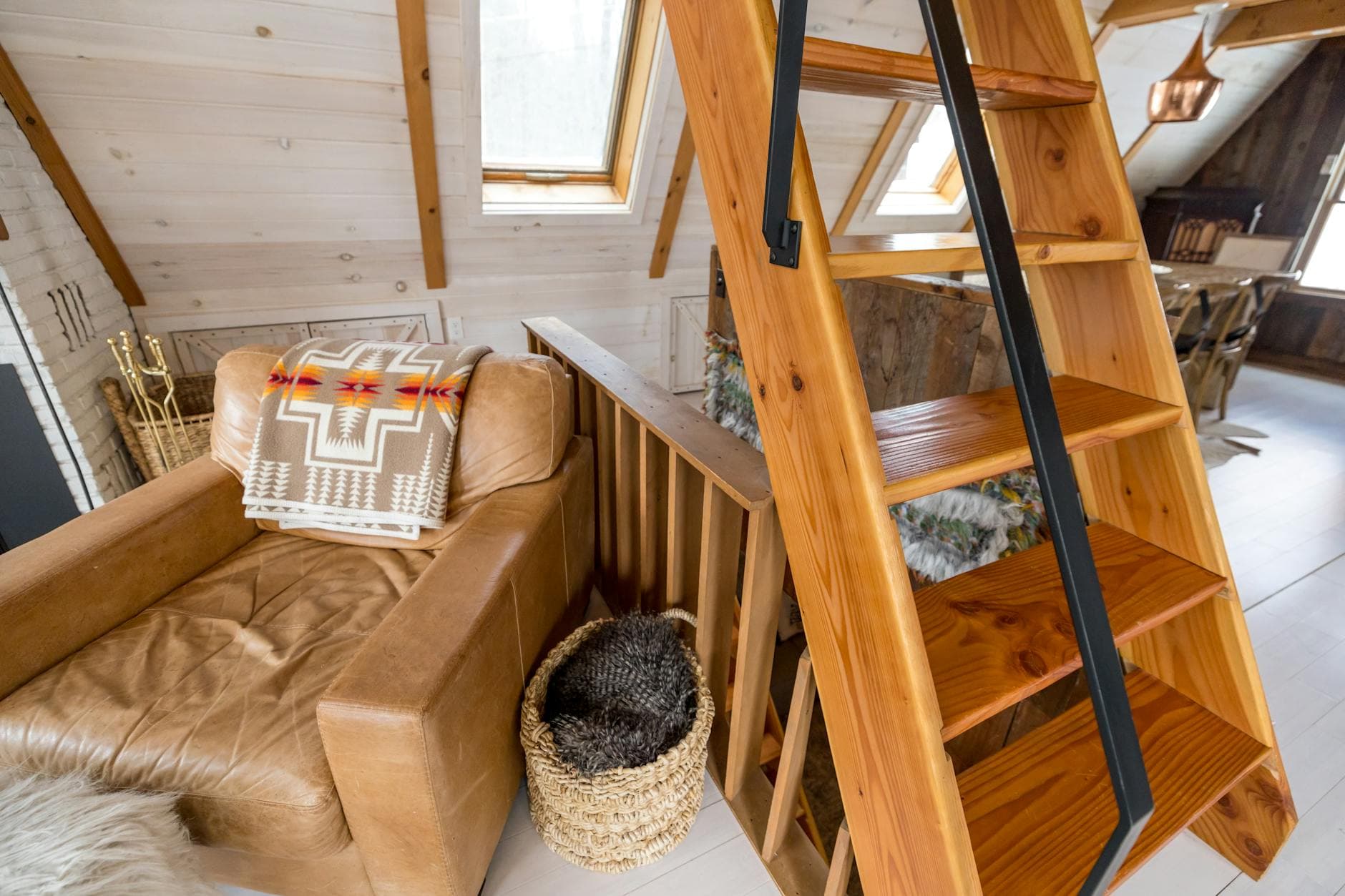
- Start with one room instead of trying to overhaul the whole house at once.
- Keep the process incremental so the family routine stays intact.
- Be deliberate about new purchases so clutter does not keep returning.
- Decide what truly deserves space in the home and let the rest go.
- Aim for a calmer, more functional house, not a showpiece.
- Focus on what really matters, since that is where the stress relief comes from.
Those steps sound simple, but they are what make tiny living sustainable over time. Families do not need a perfect minimalist aesthetic. They need a home that works on busy mornings, after-school rushes, and late-night cleanup.
Why tiny-house families keep looking at ADUs and compact homes
The tiny-house movement keeps growing because it solves different problems at once. The International Code Council says tiny houses and ADUs are increasingly discussed as flexible housing options for new homeowners and downsizers, which helps explain why the conversation has widened well beyond people chasing a novel floor plan. For many households, compact living is now tied to affordability, intergenerational living, and the search for a setup that fits real life.
That is where family stories like Reinbold’s resonate. AARP’s Going Tiny with AARP series focuses on tiny homes and ADUs that help families stay connected, and Reinbold’s move into a 498-square-foot home on her daughter’s California property shows how that connection can work in practice. The arrangement keeps generations close while still respecting the need for separate space, which is exactly the kind of compromise many families are trying to build.
What families can realistically sustain
The best tiny-house setups are not the ones that look the sparsest. They are the ones that stay usable month after month. When a family trims slowly, buys carefully, and keeps decisions about belongings intentional, the home gets easier to live in, not harder. That is the real promise of simple living: less clutter, lower pressure, and a household that has room for the life happening inside it.
For tiny-house families, that is the practical standard worth aiming for.
This article was produced by Prism’s automated news system from verified source data, official records, and press releases, then run through automated quality and moderation checks before publishing. The system is built and supervised by the people who set the standards it runs under. Read our full AI policy.
Did this article answer your question?