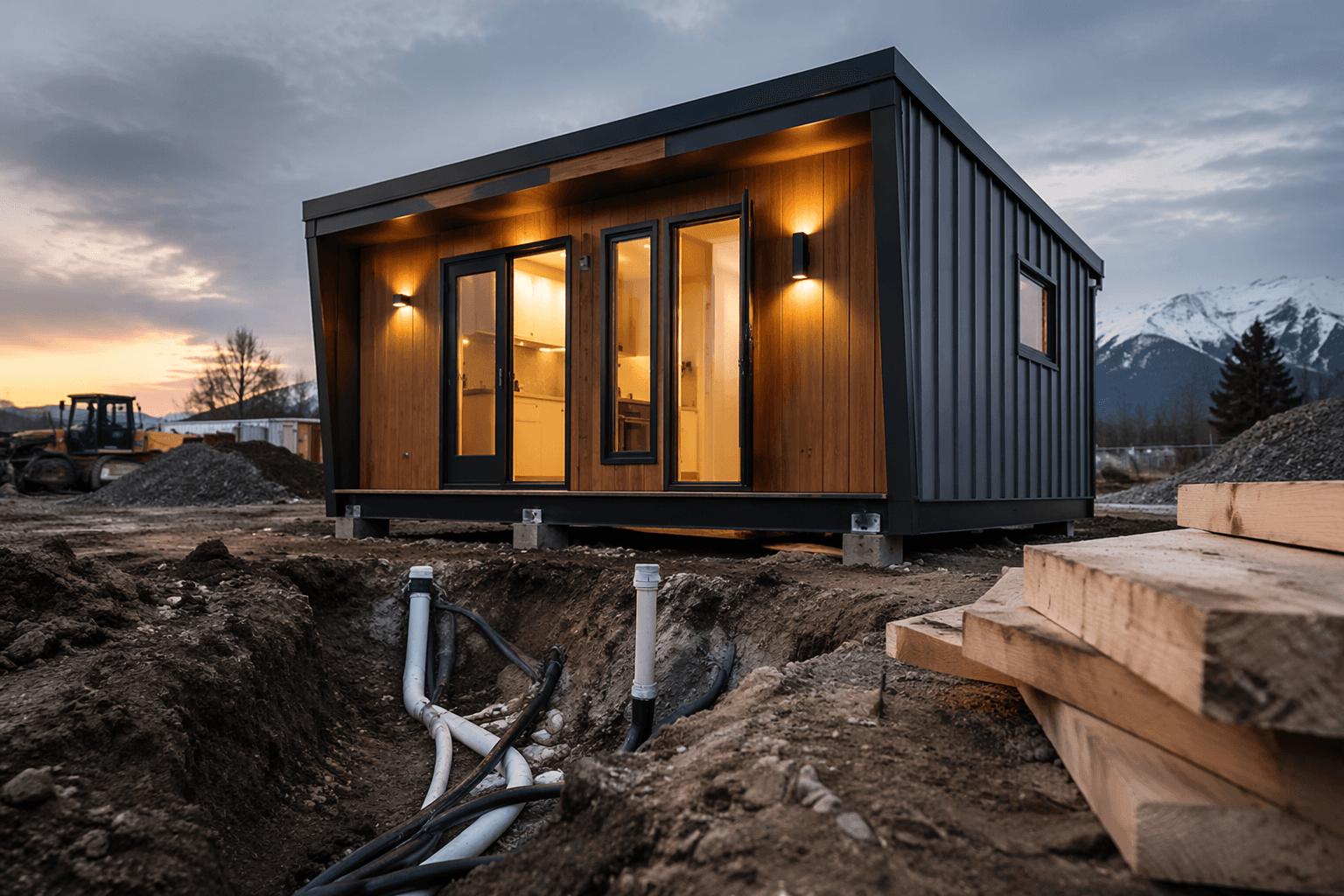
Ashburn revisits tiny home ordinance with stricter village zoning rules
Ashburn’s second tiny-home draft is much tighter: a 1-acre Tiny Home Village district, 10-foot setbacks, 40 feet of frontage, and no backyard drop-ins.

Ashburn is trying again on tiny homes, and the second pass is far stricter than the first. After the Ashburn Planning and Zoning Commission reviewed the ordinance, City Council sent the latest version back into the open, with an April 2, 2026 public hearing already centered on revisions to zoning districts for a Tiny House District and a Tiny House Village District.
The big change is that Ashburn is no longer talking about tiny houses as loose infill or an easy backyard add-on. The proposed zoning category is called Tiny Home Village, or THV, and it would require at least 1 acre before a district could even exist. That matters because it forces tiny homes into a planned development path, not a scattered one. Under the draft, a tiny home could not simply be dropped into a yard or leftover parcel without a rezoning process.
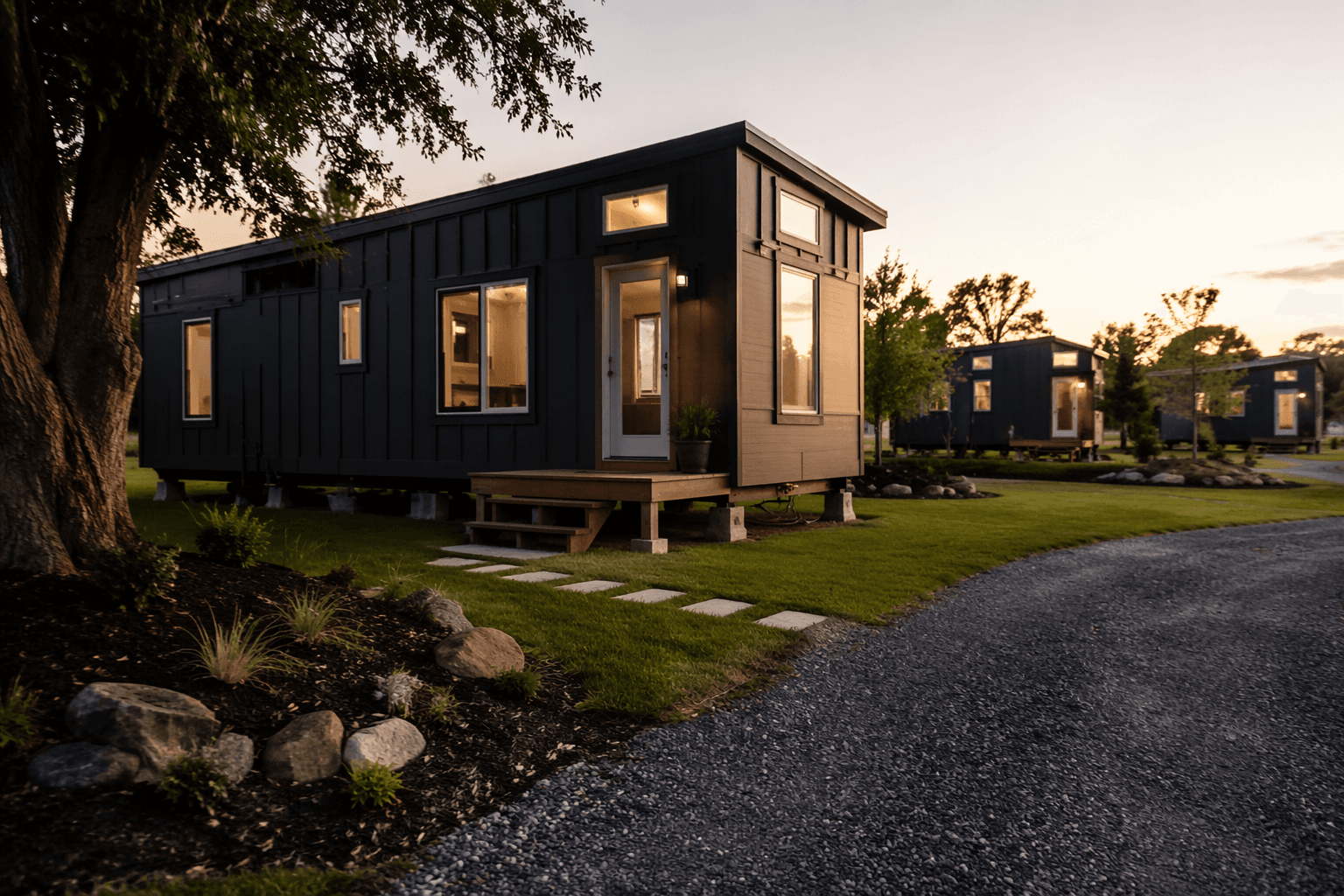
The technical rules tell the story. Planning and Zoning recommended 10-foot setbacks on all sides, plus a requirement that each tiny home be centered on its lot. The homes also cannot be titled, which pushes the city’s approach toward houses rather than licensed vehicles. The council proposal adds another hard line: each lot in the tiny-home area must have at least 40 feet of road frontage, and Ashburn’s road standards require paving, drainage, curbs, and related infrastructure. Each home must sit on at least 2,000 square feet, which makes the village feel more like a subdivision than a campsite.
For readers comparing ordinances elsewhere, the checklist is clear. Ashburn’s draft is aimed at detached homes, not ad hoc ADUs. Georgia’s Department of Community Affairs says tiny houses are typically 400 square feet or less, excluding lofts, and that local zoning controls land use, location, foundation type, number of stories, and minimum lot and building size. The state also draws a line between modular and site-built dwellings, which are subject to building codes, and RVs and manufactured homes, which are regulated differently.
That is why Ashburn’s reset looks deliberate. The Southern Georgia Regional Commission model ordinance frames tiny-house rules as a way to protect public health, safety, and welfare while steering development toward existing infrastructure. Ashburn’s latest draft does exactly that, and it makes the city’s message plain: tiny homes may be welcome here, but only in a village built to behave like a village.
This article was produced by Prism’s automated news system from verified source data, official records, and press releases, then run through automated quality and moderation checks before publishing. The system is built and supervised by the people who set the standards it runs under. Read our full AI policy.
Did this article answer your question?