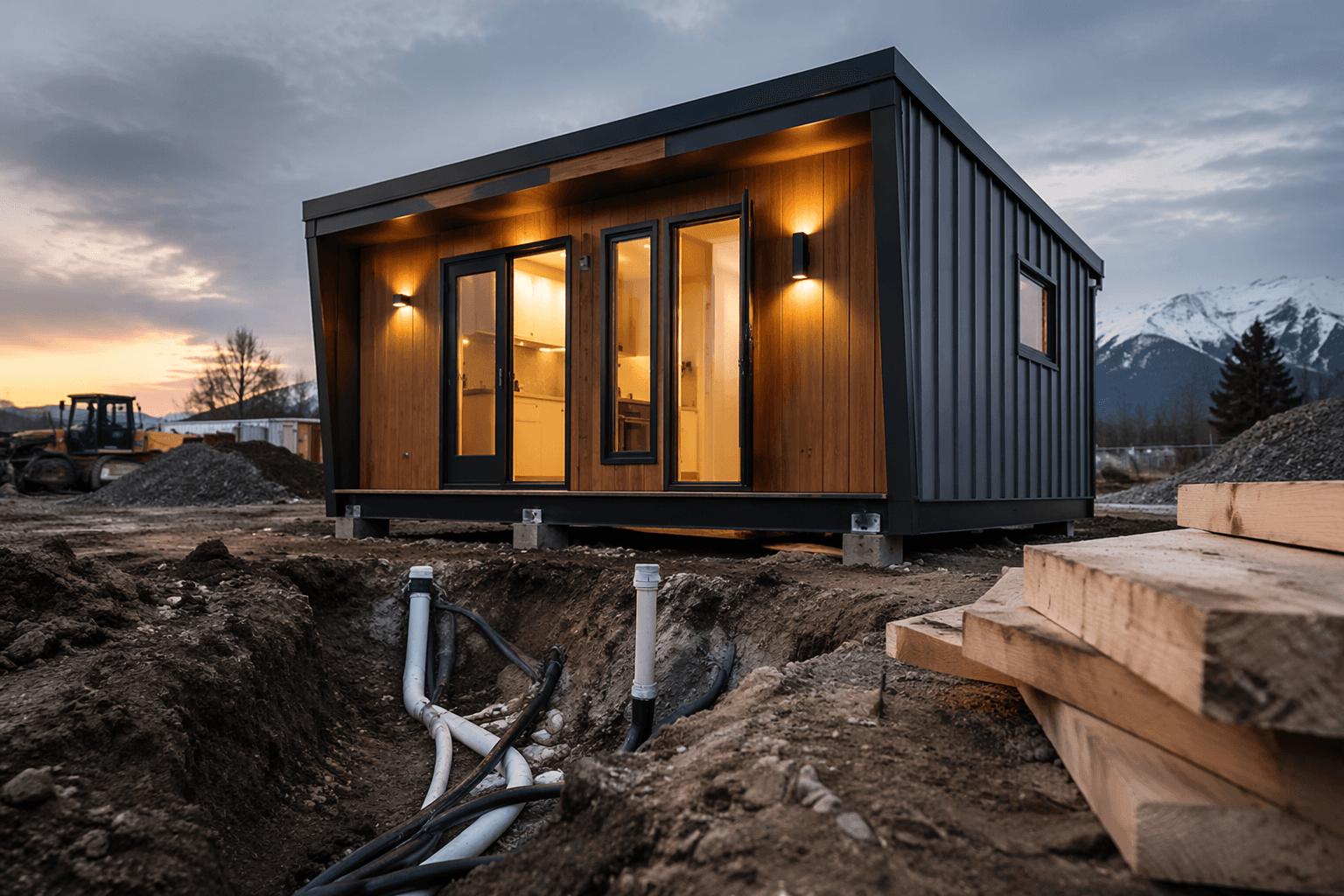
Bogalusa imposes yearlong moratorium on tiny homes while drafting rules
Bogalusa put tiny homes, tiny cottages and tiny home villages on ice for 12 months, giving planners time to write rules on siting, safety and inspections.
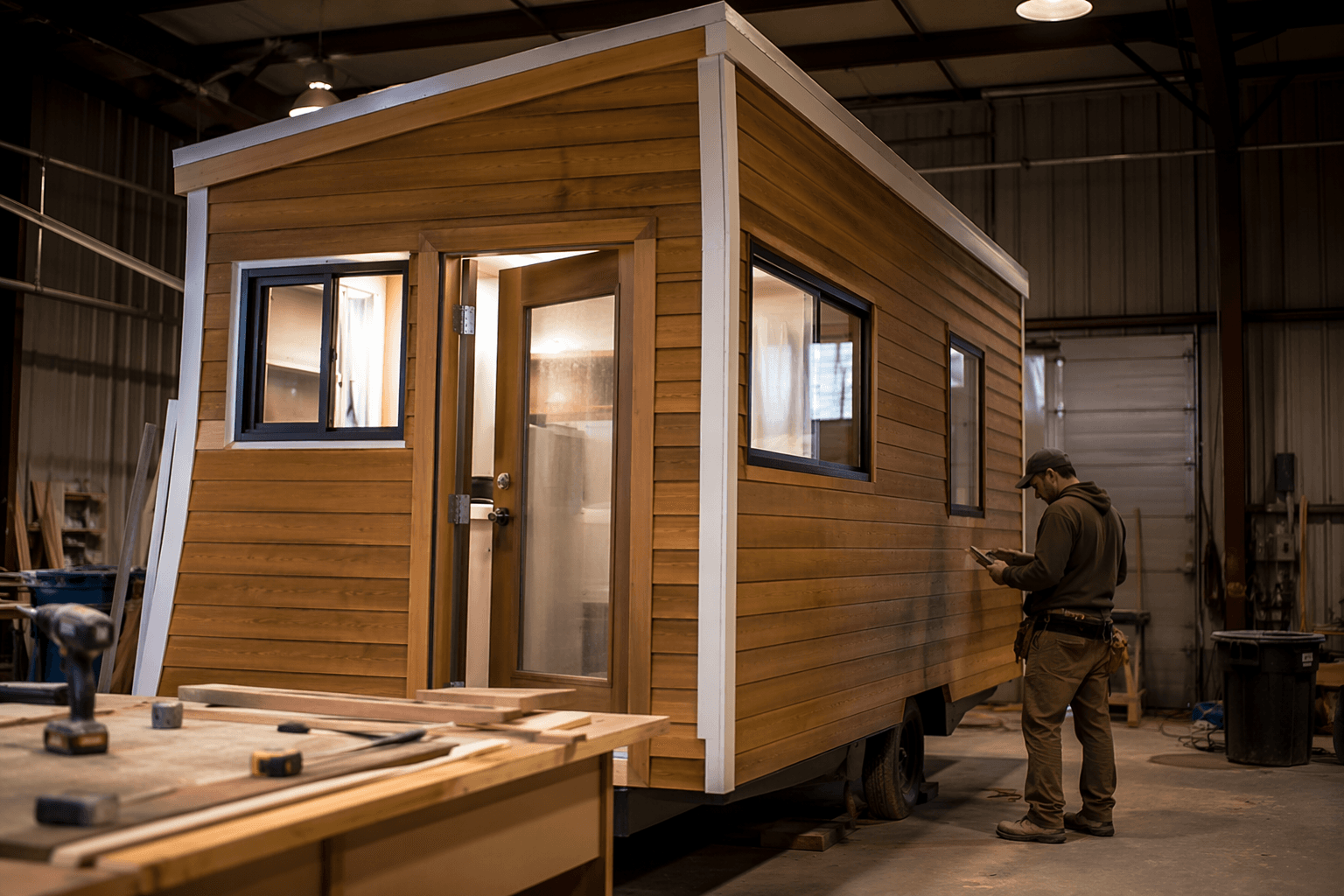
Bogalusa has hit pause on tiny homes in a way that could stall more than a few backyard dreams. The City Council approved a 12-month moratorium on tiny homes, tiny cottages and tiny home villages, freezing new approvals while officials sort out where compact housing can go and what it has to meet before anybody can live there.
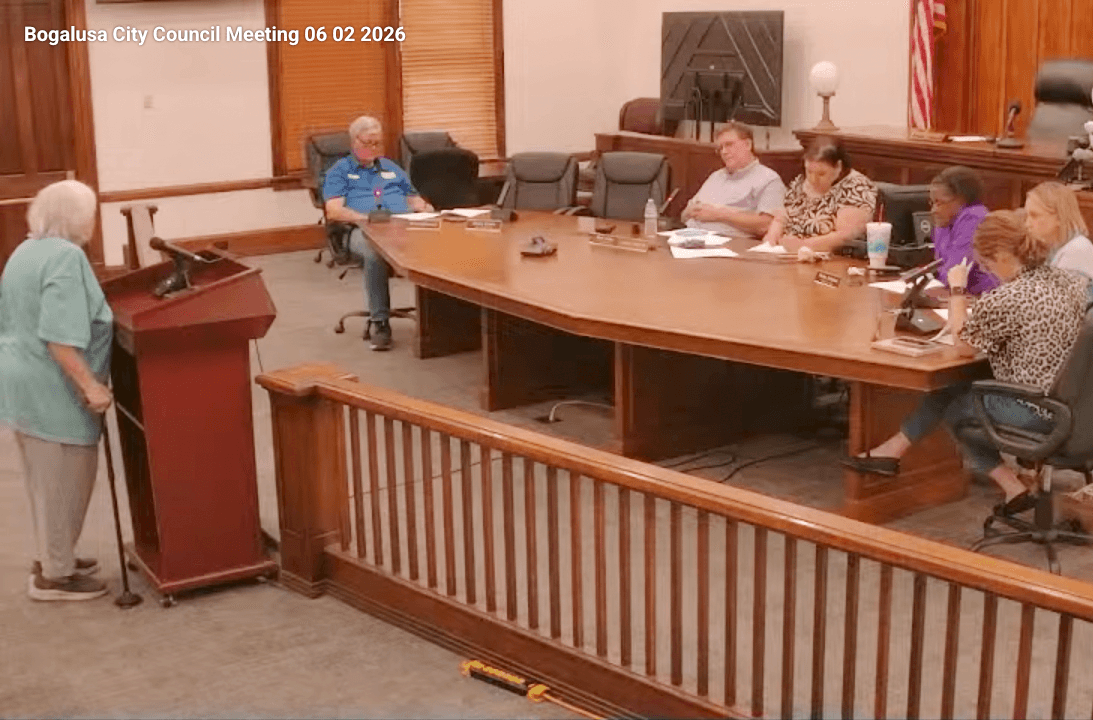
The decision came at the council’s June 2 meeting after nearly an hour of discussion that split the room between affordability and neighborhood standards. Supporters argued that tiny homes could give seniors, veterans, young adults and working families a way into housing they can actually afford. Critics pushed back, saying the city should enforce existing building and property-maintenance codes instead of pressing stop on approvals for a year.
Council members cast the measure as a temporary reset, not a permanent ban. Their concern was plain: they did not want nonresidential structures dropped onto city lots and converted into housing without the safety checks and design standards a permanent dwelling should meet. Mark Irvine, the council president, said city leaders had been researching the issue and talking it through with planning and zoning officials, a sign that Bogalusa wants a rulebook, not a blanket rejection.
That matters because the moratorium is already freezing the kind of projects that tend to move fastest when local rules are vague. Tiny home villages, compact cottages and single-lot installations now sit in limbo while the city writes clearer standards for siting, inspections and construction. Once the year runs out, whatever comes next will likely determine whether these projects return as legitimate housing options or get boxed in by tighter restrictions.
Bogalusa is not inventing this debate from scratch. Louisiana’s construction-code framework is meant to balance safety with affordability, and state code materials point to IRC Appendix Q for tiny houses of 400 square feet or less. HUD guidance says tiny homes generally fall at 400 square feet or less and can sit on a permanent foundation or a movable trailer. The Bogalusa Planning and Zoning Commission, whose job is to guide growth and protect property values, is the body most likely to shape the standards that replace the moratorium.
For now, Bogalusa has done what many small cities eventually do when tiny homes arrive ahead of the rules: it stopped the clock. The next 12 months will decide whether the city builds a path for compact housing or writes the restrictions that keep it smaller than its backers want.
This article was produced by Prism’s automated news system from verified source data, official records, and press releases, then run through automated quality and moderation checks before publishing. The system is built and supervised by the people who set the standards it runs under. Read our full AI policy.
Did this article answer your question?