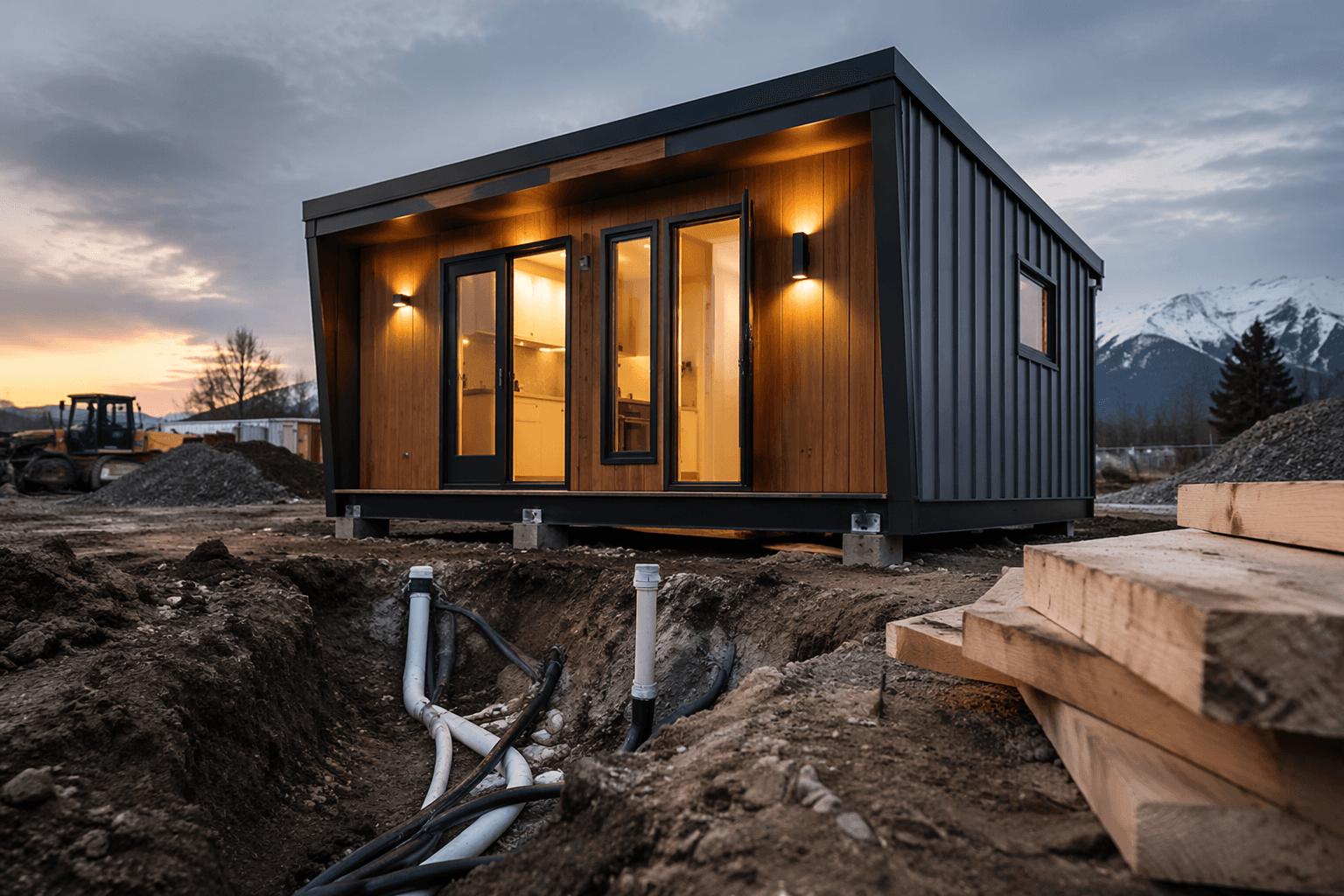
Cargo trailer conversion becomes a cozy tiny home on a budget
A $7,000 cargo-trailer tiny home sounds impossible until you see the math, the sweat equity, and the compromises behind 72 square feet of freedom.
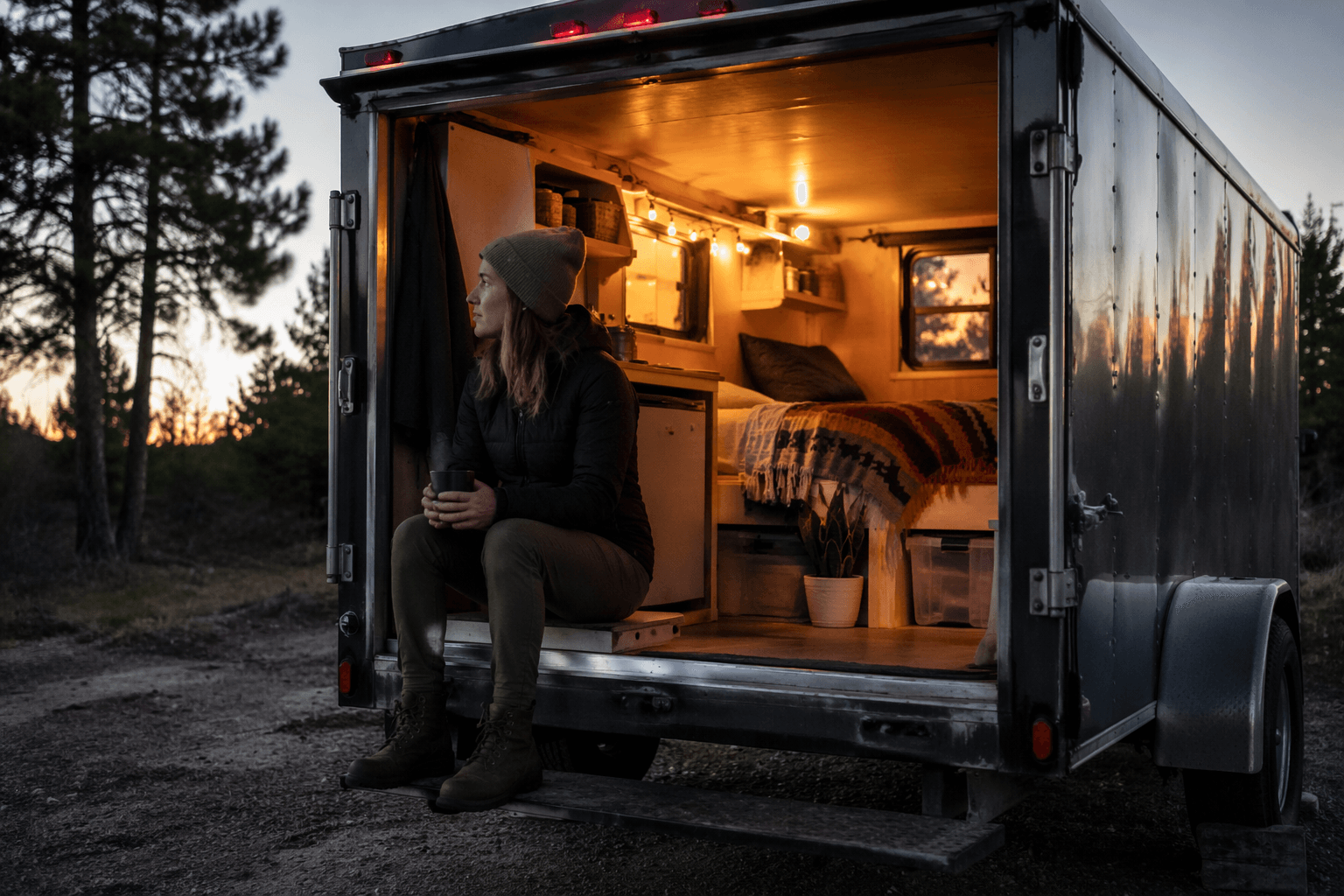
Seven thousand dollars buys a lot less house than it used to, but in Jersey’s cargo-trailer build it bought a real place to sleep, cook, and move. The finished home is about 72 square feet, and the numbers are the reason this story sticks: the trailer itself cost $2,400, the conversion reportedly came together in two weeks, and the final bill landed at around $7,000.
What $7,000 actually gets you
This is not a luxury tiny home and it does not try to be one. Jersey’s build works because every choice serves a basic need, from shelter and mobility to water and sleeping space, without drifting into the expensive finishes that push many tiny homes into the $30,000 to $60,000 range. In that context, $7,000 is not just low, it is an outlier, the kind of number that makes you stop and check whether the wheels are still on the trailer.
The appeal is obvious to anyone chasing lower-cost independence. A cargo trailer starts as a utilitarian shell, not a decorative blank slate, which means the builder is spending money on function first and finish second. That is the whole point here: if you can repurpose a work trailer into a livable space, you are not buying a tiny house aesthetic, you are buying a cheaper path to shelter.
How the build came together
Jersey and her son handled the conversion themselves, and that timeline matters as much as the final cost. Two weeks is fast for any home project, especially one that starts with a cargo trailer and ends with a stealth tiny home that can be towed behind a Ford F-150. The speed tells you the build was disciplined, stripped down, and heavily dependent on doing the work rather than paying for it.
The hardest part, by Jersey’s account, was cutting the holes for the windows. That tracks with trailer conversions in general: once you start slicing into a metal shell, every cut has consequences for structure, weatherproofing, and fit. It is the kind of step that looks simple in a time-lapse and feels very different when you are standing there with a cutoff wheel and a measure tape.
Another older cargo-trailer conversion helps explain why this format keeps showing up in tiny-house circles. A 20-by-8 Wells cargo trailer was turned into a tiny home in two weeks for just under $7,000, with spray-foam insulation, reflective insulation, and in-floor heating. That tells you the basic playbook is proven: start with a box, insulate it well, and spend where comfort actually shows up.
What the money covered, and what it did not
The budget bought the essentials, not the extras. Jersey’s home includes about 15 gallons of water, a portable collapsible shower, and a bucket toilet, which is about as bluntly practical as tiny living gets. There is also a kitchenette and the kind of setup that works for life on the road, including space for her furry companions.
That list is important because it sets the real standard for a budget tiny home: it has to function, not merely photograph well. The water system is tiny in the literal sense, the shower is portable, and the toilet solution is as low-tech as it gets. Those are not gimmicks. They are the compromises that make the budget possible.
The build also reflects why the number stayed low after a serious life change. Jersey started the project after an injury left her unable to work because she broke her back, which gives the whole conversion a different weight. This was not a vanity build or a weekend experiment. It was a practical answer to a hard problem, and the spending had to match that reality.
The tradeoffs you would have to accept
If you try to copy this kind of build, the biggest concession is simple: you do not get normal-house convenience. Storage is limited, water is limited, and the toilet situation is basic. You also give up the cushion that comes with a bigger budget, because a $7,000 shell does not leave much room for mistakes, rework, or polished custom cabinetry.
Mobility is both the advantage and the catch. A trailer-based tiny home can move, but it still has to be towed, parked, and lived in under local rules that vary by place. That legal backdrop is one reason so many tiny-house builds live at the intersection of affordability and flexibility, because the lower cost means little if you cannot legally put the home where you need it.
The other tradeoff is sweat equity. This kind of number only works when the builder does a lot of the labor, keeps the design simple, and avoids treating the project like a boutique custom order. The budget is impressive, but it is not magic. It is the result of a cheap starting point, fast execution, and a willingness to live with a bare-bones setup.
Why this build resonates
The reason people keep sharing cargo-trailer conversions is that the transformation feels attainable. An ordinary work trailer becoming a cozy home is a stronger story than another expensive prefab reveal, because it suggests resourcefulness instead of consumption. It is the same reason the figure $7,000 lands so hard: it is low enough to feel almost unreal, but grounded enough to make the math believable.
Jersey’s build is not proof that everyone can buy freedom for $7,000, but it does show what that number really means when it works. It buys a 72-square-foot home, a trailer you can tow with a Ford F-150, and a life built around the essentials, with every compromise visible in the walls. That is the honest version of the bargain, and it is why this tiny home reads less like a makeover and more like a very lean answer to the cost of housing.
This article was produced by Prism’s automated news system from verified source data, official records, and press releases, then run through automated quality and moderation checks before publishing. The system is built and supervised by the people who set the standards it runs under. Read our full AI policy.
Did this article answer your question?