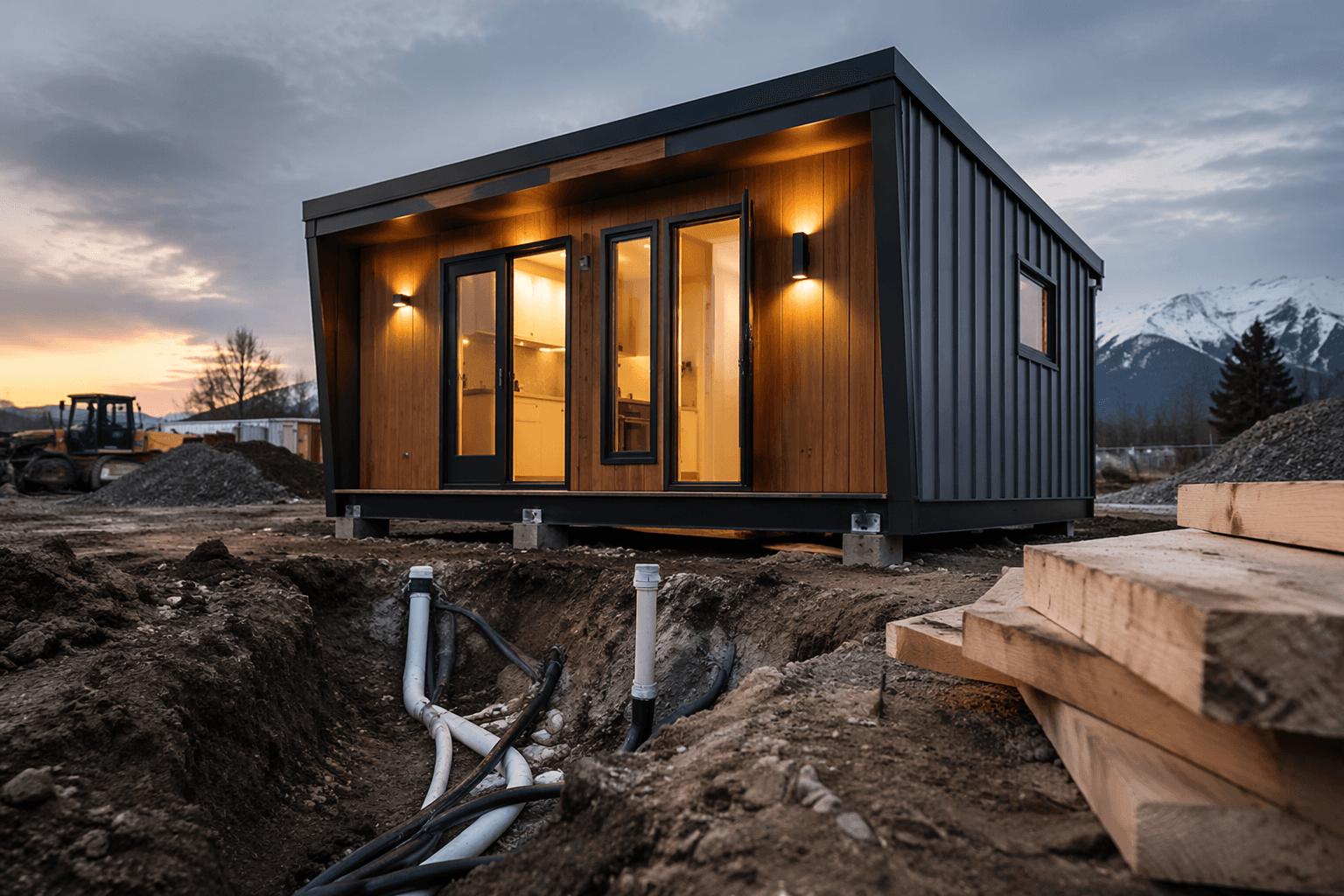
Chester tiny home proposal tests New Hampshire's new housing rules
Chester’s tiny-home proposal is the first real test of the town’s new housing rules, and its outcome could shape future projects across New Hampshire.
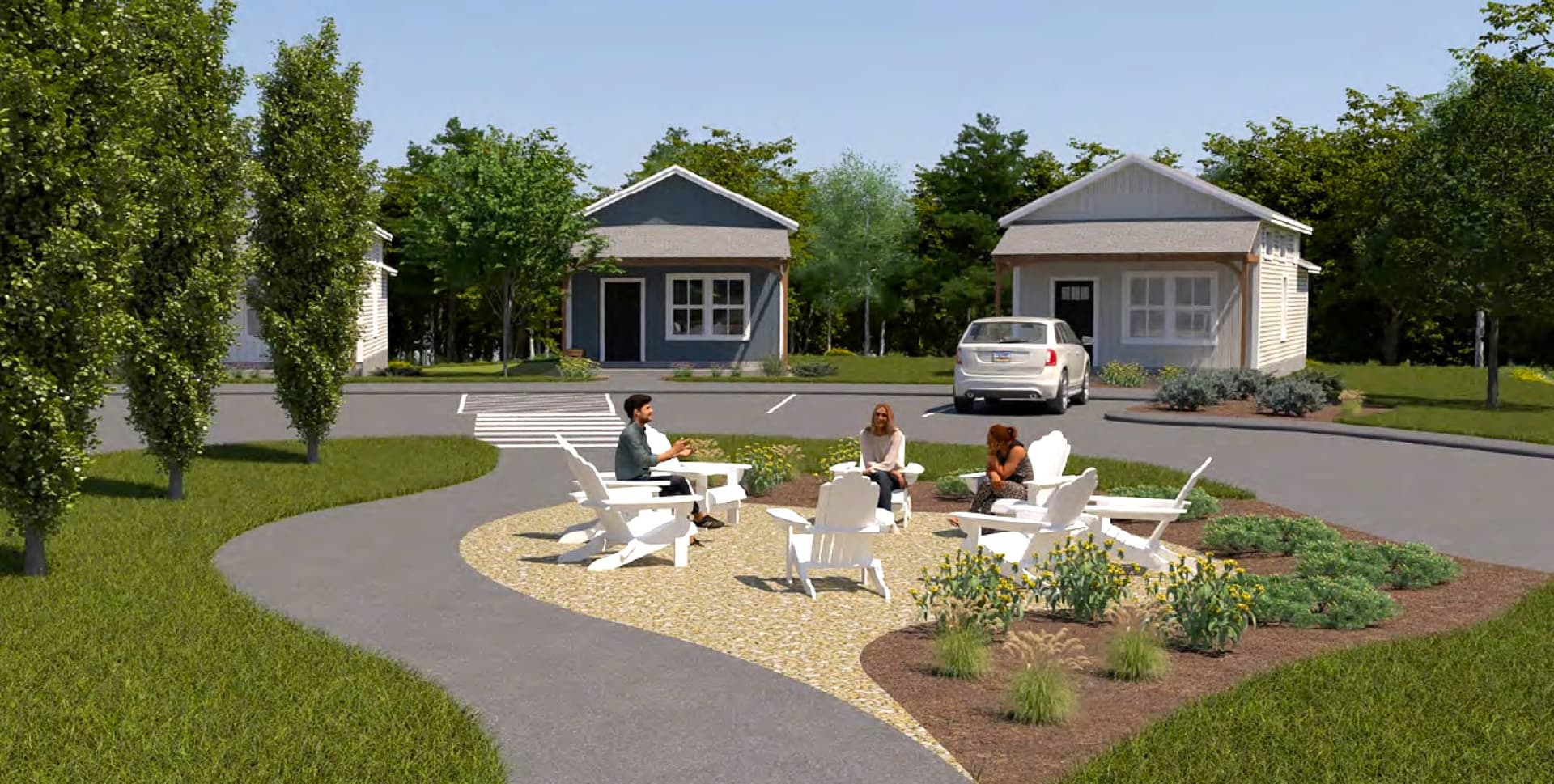
A tiny-home proposal in Chester is becoming the first real test of the town’s new housing rules, with local officials now weighing whether the ordinance really opens the door to small housing or only signals support on paper. The project has drawn attention because Chester’s amended zoning code, approved May 13, 2025, was written to fit the town’s Master Plan and to create a path for a very limited number of small, affordable homes.
At the center of the review is a proposed new Article 7B for Fair Market Rental subdivisions. Town documents say those subdivisions are intended to enable a limited number of small homes with rents permanently restricted to published U.S. Department of Housing and Urban Development Fair Market Rental rates for one- and two-bedroom dwellings. That language makes Chester one of the clearest local policy tests in the state: if this proposal clears the Planning Board with those restrictions intact, it could become a template for future small-housing applications. If it runs into zoning objections or gets tied up in interpretation, it could show how easily a permissive-looking ordinance can narrow in practice.
The Town of Chester Planning Board is the body reviewing the plan and the ordinance-related land-use issues around it. The board usually meets on the first, second and fourth Wednesdays of the month at 7 p.m. in the Municipal Complex at 84 Chester Street. Chester’s planning documents also show that the town has been revising zoning and housing rules over multiple recent years, including proposed amendments and annual planning board reports, suggesting this proposal did not appear in a vacuum but as part of a longer effort to rework local development standards.
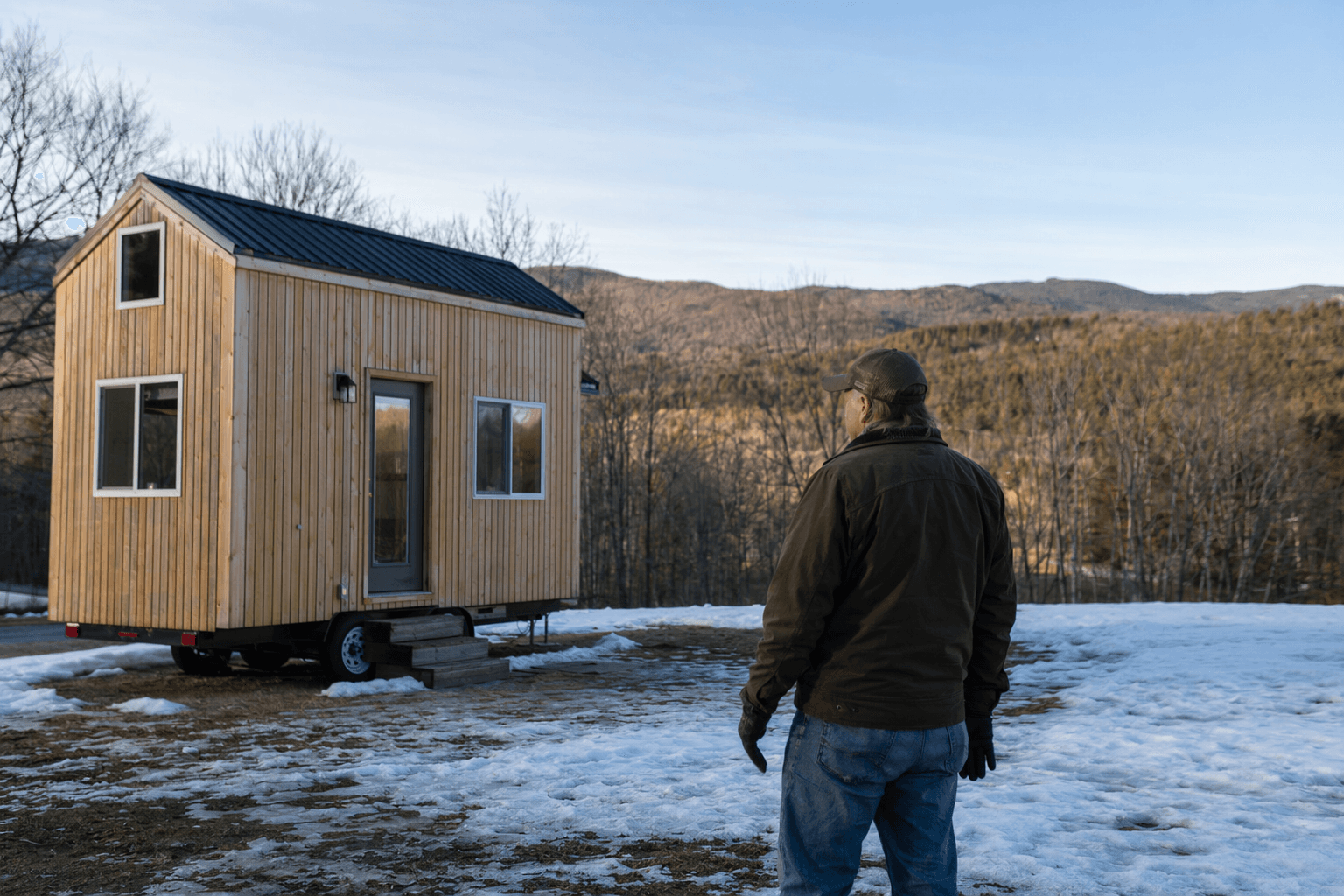
That matters well beyond Chester. New Hampshire lawmakers were considering state standards for building tiny homes as of April 21, 2026, while WMUR reported earlier that high housing prices were pushing some residents toward tiny homes as a more affordable option. A 2018 WMUR report also showed how confusion over local rules stalled a proposed tiny-home park in Warner, a reminder that small housing projects often fail not because the demand is missing, but because the rulebook is unclear. Chester’s case now sits at the intersection of both pressures: a town trying to implement its own master-planned housing goals, and a state still sorting out how tiny homes should fit into the broader housing market.
For builders, planners and tiny-home advocates watching from Hampton to Manchester, Chester will show whether a town can write an ordinance that is specific enough to work and flexible enough to allow actual development. The answer will shape more than one subdivision. It could tell the rest of New Hampshire how serious its local housing reforms really are.
This article was produced by Prism’s automated news system from verified source data, official records, and press releases, then run through automated quality and moderation checks before publishing. The system is built and supervised by the people who set the standards it runs under. Read our full AI policy.
Did this article answer your question?