Karlsruhe festival showcases 30 tiny houses, 80 exhibitors, and practical planning advice
Karlsruhe’s tiny-house festival packs more than 30 homes, 80 exhibitors, and hands-on talks into a planning-heavy event built for real projects.
Karlsruhe becomes the place where tiny-house ideas turn into site plans
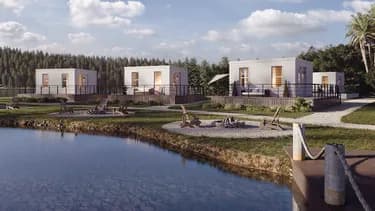
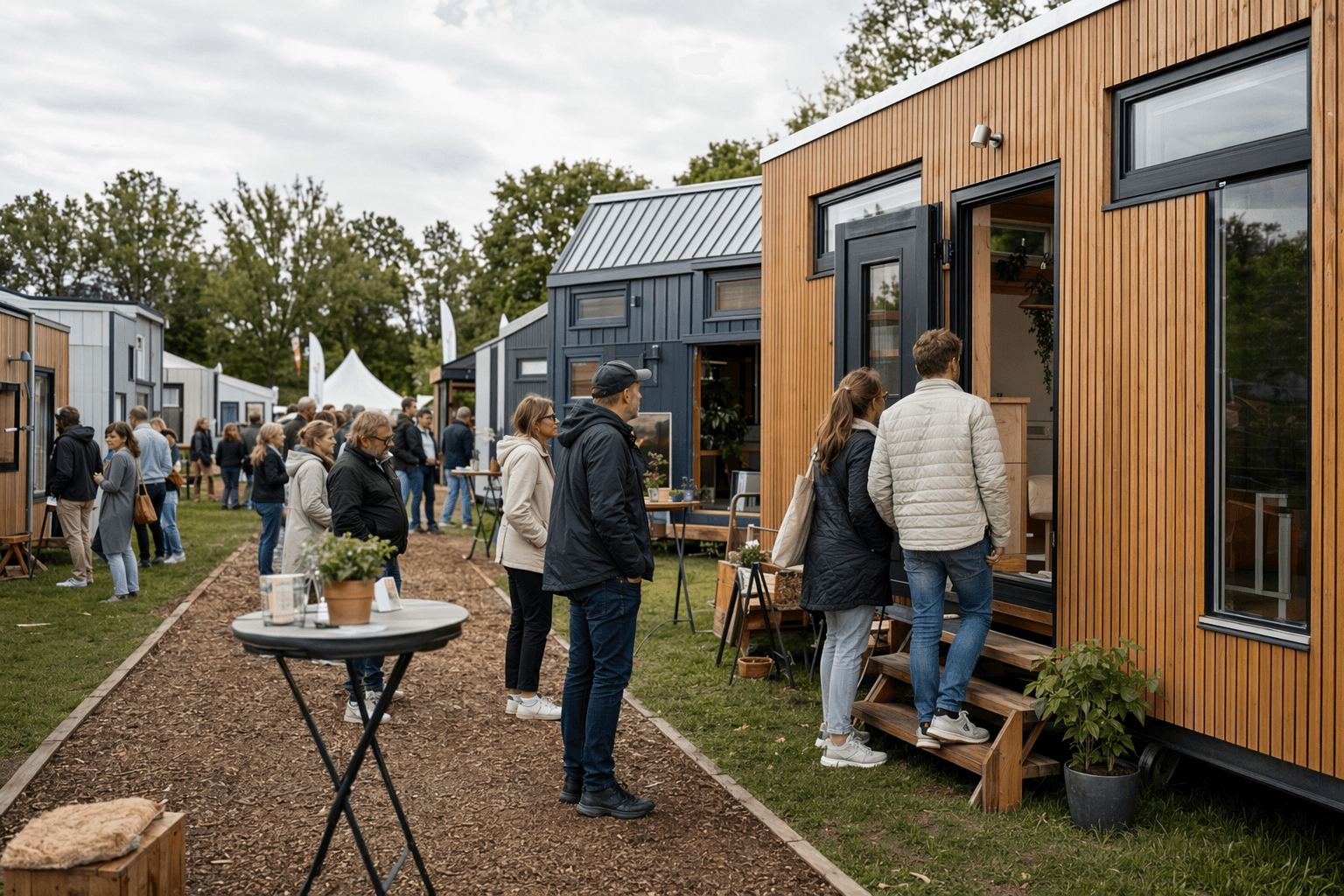
NEW HOUSING 2026 is not selling tiny houses as a lifestyle fantasy. It is putting the sector’s working parts on the floor at Messe Karlsruhe from June 26 to 28, with more than 30 tiny houses, modular homes, and other compact-living models alongside more than 80 exhibitors. That mix is what makes the festival matter now: it is built for people who want to see how small-scale housing actually gets approved, financed, built, and placed on land, not just admired from the outside.
The show’s own positioning says a lot about where the market is headed. NEW HOUSING calls itself the first tiny house festival in Germany, and the 2026 edition is the seventh time it has been held in Karlsruhe since 2018. That kind of continuity matters in a niche that has spent years moving from novelty to infrastructure, because the event now functions as both a marketplace and a working meeting point for an increasingly professional sector.
What is on the ground in 2026
The headline numbers are unusually strong for a specialized housing event: more than 30 homes on display and more than 80 exhibitors. The festival is aimed at private visitors, but its exhibitor pages make clear that the real audience is broader, including manufacturers, planning and construction professionals, suppliers, financiers, insurers, municipal land brokers, investors, communes, and tourism operators. In other words, Karlsruhe is not just about browsing compact cabins. It is where the people who can actually make a tiny-house project happen come to compare notes.
That breadth helps explain why the event has become such an important marker in the tiny-house calendar. Compact living is no longer only a consumer trend. It is also a land-use question, a permitting question, and increasingly a municipal strategy question, which is why the festival pairs display models with practical guidance.
Tiny Talks and workshops are the real draw
The programming is built around Tiny Talks and workshops, and that is where the event gets especially useful. The talks are 30-minute sessions running throughout the fair from Friday to Sunday, which gives them the pace of a fast-moving briefing rather than a lecture circuit. The organizers stress that these sessions deliver information people cannot easily pull together online, and that premise fits the moment: tiny-house planning lives in the gaps between zoning rules, land availability, and local politics.
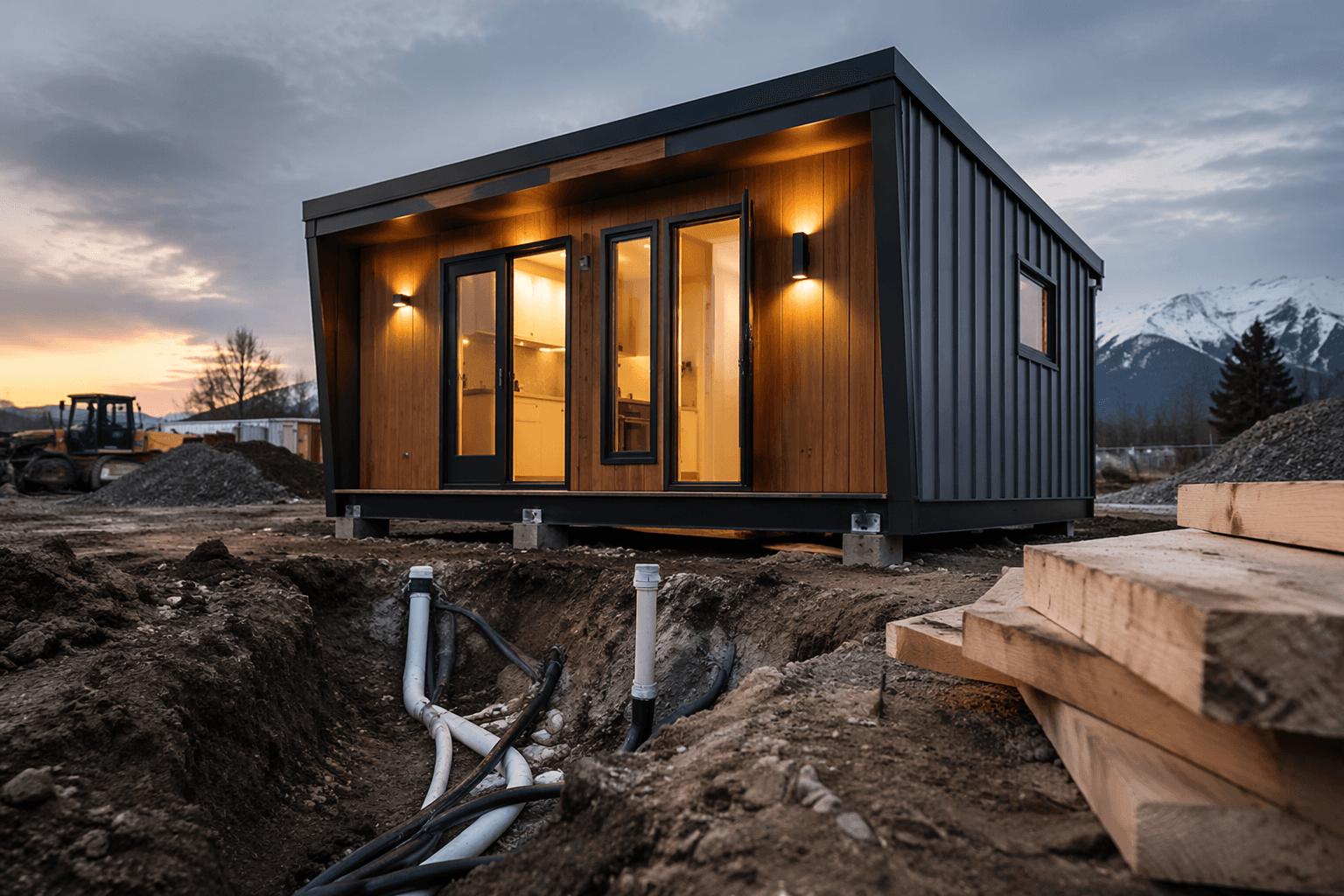
The topics the festival highlights are especially grounded in real-world deployment. One talk looks at how a city with a tight housing market can create urgently needed living space quickly through tiny housing parks and vacant lots. Another tackles the more immediate challenge of turning an empty lot into a finished tiny-house project. Those are the conversations that matter if you are trying to move from interest to implementation, especially in regions where land is scarce and every step of the process can slow a project down.
The workshops go even further. They are capped at 25 participants and focus on finding the right lot, making realistic decisions about tiny living, and understanding the floor, wall, and roof construction details that shape durability and comfort. That last point is easy to underestimate, but it is exactly the kind of technical knowledge that separates a pretty concept from a structure people can actually live in for years.
Why the planning angle is so important in Germany right now
Karlsruhe is arriving at a moment when housing pressure is pushing compact solutions higher up the agenda. The German Council of Economic Experts says housing is especially scarce in urban areas, and describes the shortage as both a social and an economic problem because it limits labor movement into productive regions. Deutsche Welle reported in 2025 that the German government planned a construction-law boost to speed up new housing, which helps explain why faster-to-deploy formats such as tiny houses are drawing more attention.
There is also a telling mismatch between need and demand. A 2022 peer-reviewed study found that tiny-house interest in Germany was concentrated more in rural or small-town settings than in cities, even though urban locations would be more useful for tackling housing shortages and serving both younger and older residents. That gap is exactly where NEW HOUSING 2026 is planting its flag. By centering land access, municipal use cases, and deployable models, the festival is trying to push tiny housing into the places where it could do the most work.
The sector is organizing itself, too
The event also sits inside a more structured industry than many newcomers realize. The Tiny House Verband says its goal is to act as a joint voice for the industry and a point of contact for politics and municipalities, and it has published an industry standard for tiny houses to help address recurring problems in building law and permitting. That kind of standard-setting is crucial in a field where confusion over approvals can stall a project long before construction starts.
Local organizing is part of the picture as well. Tiny Houses für Karlsruhe e.V. says it is looking for suitable plots and parking spaces in the region, from campsites and weekend plots to sites that allow permanent residence with registered primary domicile. It also says it works to educate the public and clarify the legal situation around small residential spaces. Together, those efforts show that the Karlsruhe festival is not just an exhibition. It is part of a wider attempt to make tiny living administratively legible.
Projects to watch: from Heidelberg to Mehlmeisel
If you want a sense of what could emerge from this year’s fair, the most useful clues are the projects already being held up as working models. NEW HOUSING has highlighted a Heidelberg tiny-house neighborhood as a template for local authorities. The project drew 600 applicants, uses 36 residential modules, and operates on a 10-year land-use model, with completion targeted for 2026. It was first presented at NEW HOUSING 2025 and is now moving into reality, which makes it a strong example of how the event can function as a launchpad rather than a showroom.
Mehlmeisel offers a different but equally telling reference point. The tiny-house village there began in 2017 with one house and two residents, then expanded two years later to more than 25 tiny houses housing 40 residents, plus a three-house hotel. That growth arc shows how a small pilot can become a genuine community and even a tourism asset. For anyone following compact living, that is the kind of transformation worth watching closely in Karlsruhe: not a concept sketch, but a model that can scale.
Why this edition matters to the tiny-house calendar
NEW HOUSING 2026 is arriving as the tiny-house conversation shifts from inspiration to implementation. The combination of more than 30 display homes, more than 80 exhibitors, short-form expert talks, small-group workshops, and a clear focus on land, law, and municipal use makes this edition feel less like a showcase and more like a working summit for the sector.
The most interesting developments at Karlsruhe are likely to be the ones that can be copied elsewhere: compact models designed for faster approval, municipal land strategies, and practical solutions that help tiny housing move into urban housing debates. That is why this event has become the one to watch in Europe’s small-scale housing scene.
This article was produced by Prism’s automated news system from verified source data, official records, and press releases, then run through automated quality and moderation checks before publishing. The system is built and supervised by the people who set the standards it runs under. Read our full AI policy.
Did this article answer your question?