Columbia-Greene students unveil tiny home as hands-on housing prototype
Columbia-Greene students built a tiny home with a full kitchen, bath, and office nook, turning Hudson lab work into a real housing prototype.
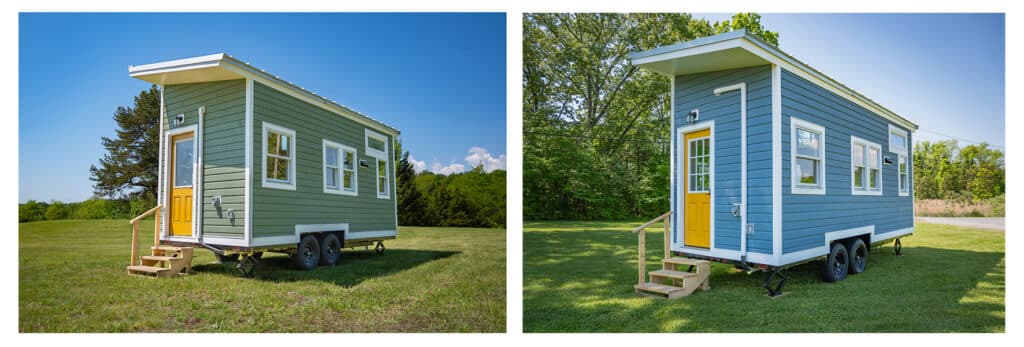
A tiny home built by Columbia-Greene Community College construction students in Hudson was unveiled as both a training build and a practical housing prototype for a region under pressure to create more affordable starter homes. The project, presented on the college’s Route 23 campus on Tuesday, put a finished, rollable unit at the center of the college’s housing and workforce pitch.
The home was designed to function like a real residence, not a classroom display. Assistant Professor Andrew Soltano said it includes a compact bathroom with a four-foot shower, a toilet, a sink and a pocket door, along with a small office-like nook measuring about seven and a half by six feet. The kitchen is fully equipped with a microwave convection oven, an induction cooktop, a sink and a compact refrigerator, giving the unit the feel of a livable micro-home rather than a mock-up.
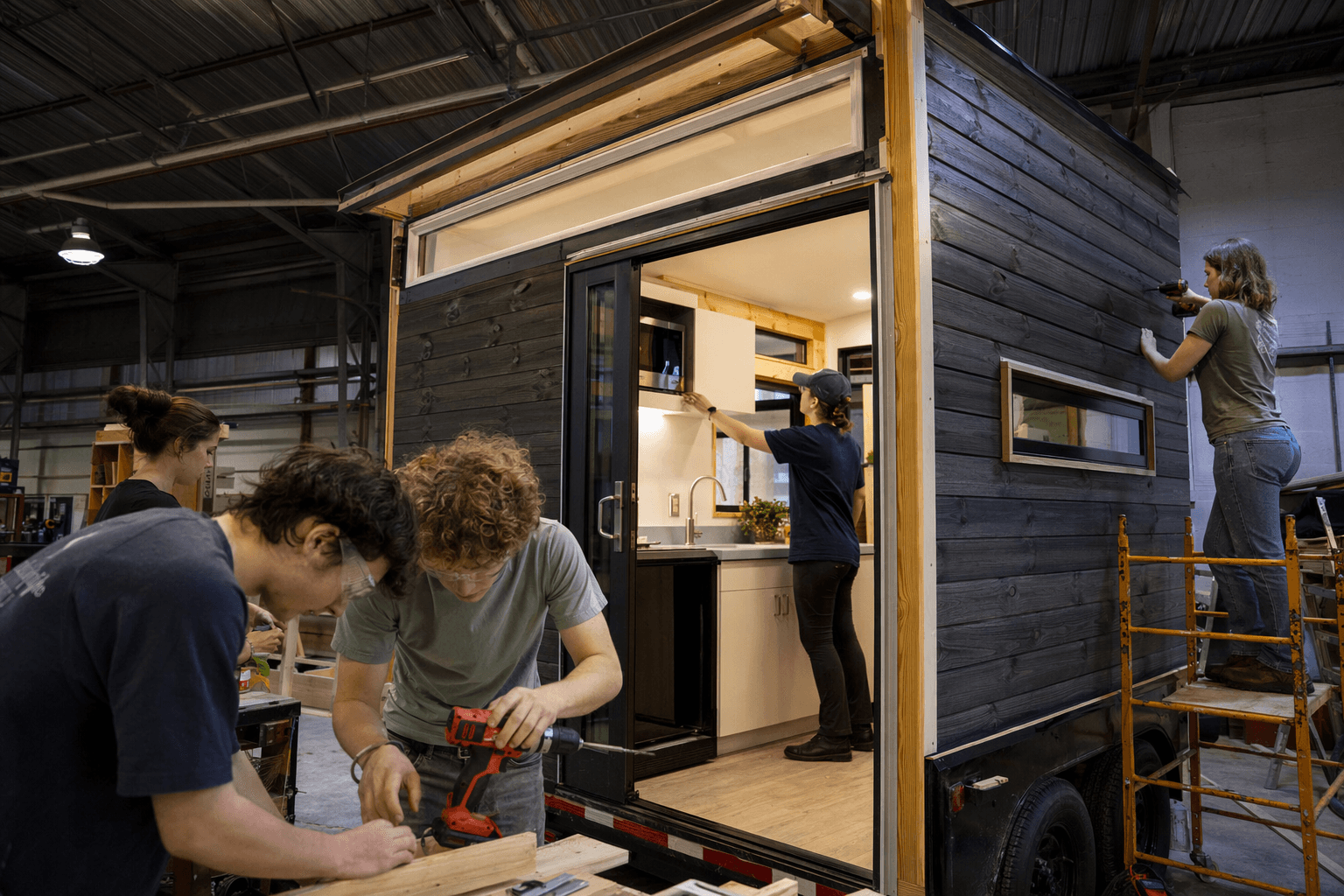
Columbia-Greene said the tiny-house work has been part of the Construction Technology program for seven years, and the process is built into the curriculum from the ground up. Students begin by dismantling the previous class’s house inside the lab, then rebuild the project term after term so they learn how the systems of a house fit together through demolition, reconstruction and repetition. One student, Sheara Cohen, said the work taught her finished woodworking, framing, plumbing and electrical skills while also giving her the confidence to make a mid-life career change.
The college has used tiny houses before to tie training directly to production. In 2024, Columbia-Greene said two houses built by the 2023-2024 graduates measured 20 feet long, 8 feet wide and 13 feet 6 inches high, sat on towable chassis and included a fully outfitted kitchen, bathroom with shower, mini-split heating and a sleeping loft. Those homes were auctioned, and later reporting said the two sold for a combined $59,000, with proceeds sent back into the program to fund more builds.
That larger pipeline matters in Columbia and Greene counties, where affordable housing remains tight and starter-home options are thin. Columbia-Greene Habitat for Humanity said in April that its Rural Starter Home Initiative is aimed at households earning about 50% to 80% of area median income, roughly $45,000 to $85,000 a year, with buyers owning both the land and the home and paying based on income and family size. New York State’s HOME program also supports acquisition, rehabilitation and construction of affordable housing for households at or below 80% of area median income, placing the tiny-house work squarely inside a regional push for smaller, more attainable homes.
Columbia-Greene’s Construction Technology certificate is a one-year program built around demolition, framing, roofing, doors and windows, insulation, interior trim, blueprint reading, building layout, exterior finishes and training in electrical, plumbing, HVAC and OSHA 10 safety. The tiny house now stands as the clearest example of what that curriculum can produce: a finished unit that trains workers and could help ease the housing crunch at the same time.
Know something we missed? Have a correction or additional information?
Submit a Tip