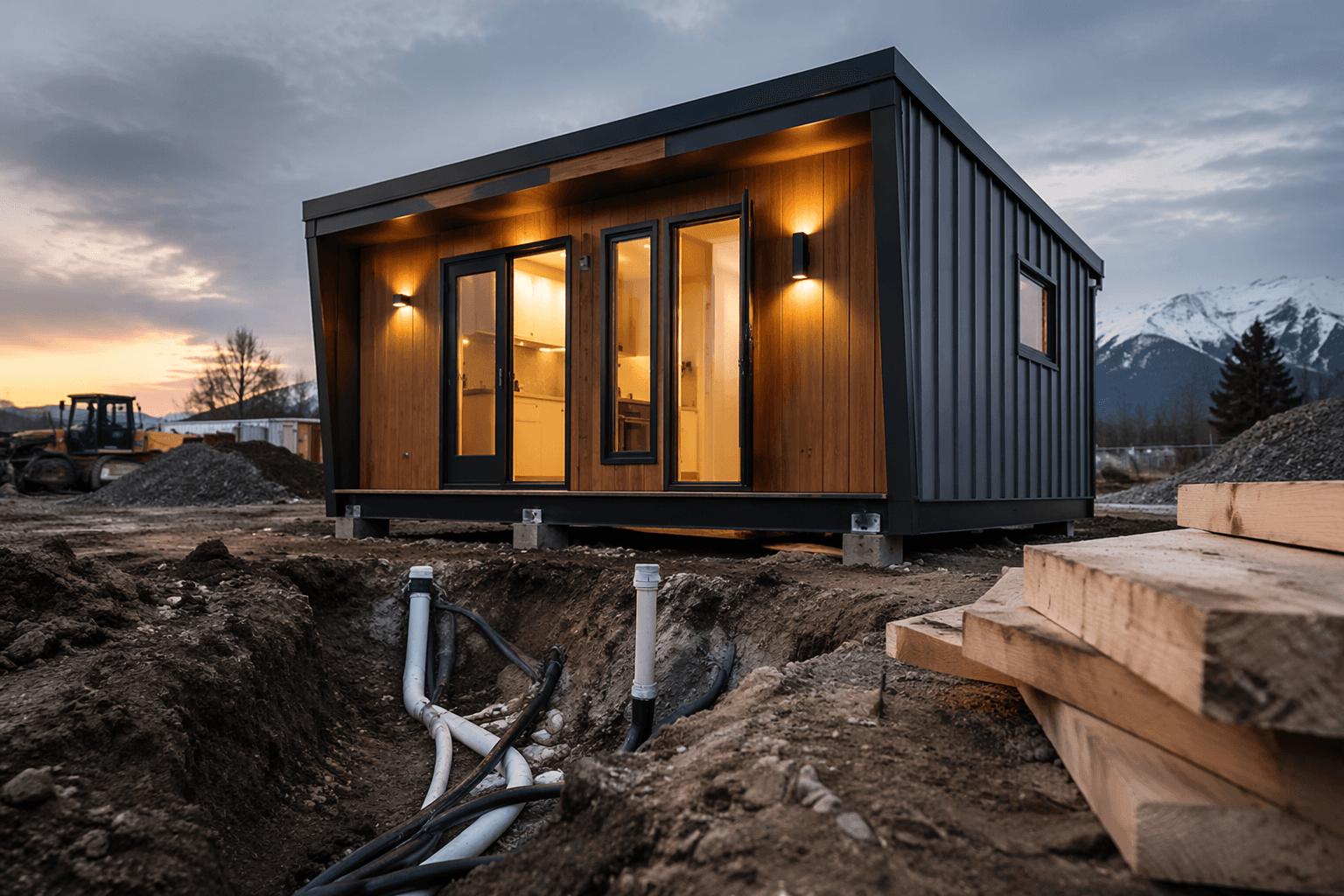
Couple builds a dreamy $35,000 tiny house over weekends
Sara and Joel's $35,000 tiny house was real, but it came with two years of weekends, DIY labor, and relentless deal-hunting that most budgets leave out.
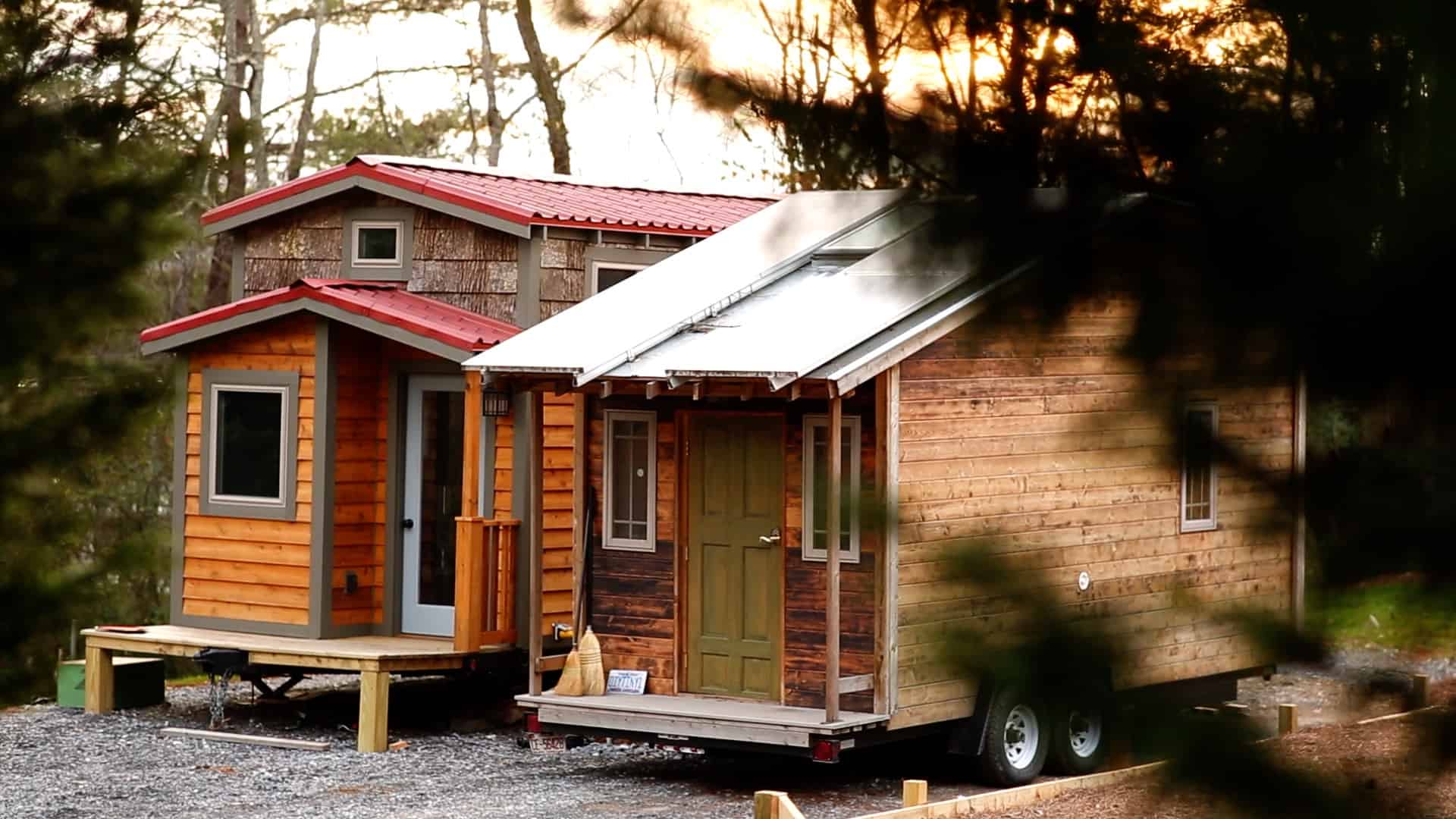
Sara and Joel did not stumble into a cheap tiny house. They built a 26-foot tiny house on wheels over more than two years of weekends, and the reported $35,000 total only makes sense because they put in the labor themselves, hunted for materials, and kept the design tight from the start. The result is a bright, efficient home, but the headline price is a reality check, not a promise that every tiny build can be copied on the same budget.
What the $35,000 price really buys
The core lesson here is simple: sweat equity changes everything. Tiny House Expedition said the couple saved money by doing all the labor themselves and sourcing materials through Craigslist and Facebook Marketplace, which is exactly the kind of work that separates a bargain build from a truly cheap one. If you are looking at this house as a template, the part to copy is not just the number. It is the discipline behind it, the patience to build only on weekends, and the willingness to spend time hunting for parts instead of clicking buy now.
The MSN video describes the home as 26 x 9 x 13.5 feet, which helps explain why the interior can feel so intentional. A footprint that compact leaves no room for dead space, so every wall, opening, and cabinet decision has to earn its keep. That is where tiny-house budgets often get stretched, because the smaller the home, the more exact the planning has to be.
The layout value is in the Murphy bed
The most useful feature in the house is the DIY Murphy bed, and that is no accident. In a tiny home, a bed that folds away does more than save floor area. It changes how the room functions during the day, turning sleep space into living space without forcing the entire interior to feel like a bedroom all the time. That kind of move is where tiny living gets practical instead of merely cute.
This is also where the build shows its real value. A Murphy bed is not just a space-saving gimmick. It is a design choice that supports daily life, especially in a home where every square foot matters. If you are planning your own build, this is the kind of feature worth studying closely, because it delivers more usable space than many flashier upgrades ever will.
The hidden cost is time, not just money
The phrase “two years of weekends” is doing a lot of work in this story. A $35,000 build sounds lean until you account for the time needed to plan, source, frame, finish, and adjust a home one task at a time around the rest of life. That schedule can be a smart path for a couple that wants to avoid debt, but it also means the build stretches across seasons, project fatigue, and the inevitable delays that come with learning as you go.
There is also the reality that the reported build cost is not the same thing as the full cost of tiny-house living. Land and hookup costs are separate considerations, and those can change the equation fast. So can permits, transportation, and the time spent making sure a build that looks easy on video actually works in the real world.
Building together is part of the story, too
Sara and Joel said building together was their biggest relationship challenge, and that detail matters because tiny-house projects compress everything. You are not just making finish decisions and cutting lumber. You are making those choices while living with the consequences of each other’s pace, taste, and tolerance for chaos. In a small build, there is nowhere to hide a bad decision or a bad day.
That is one reason this house resonates beyond the pretty reveal. It is not only a housing project. It is a proof-of-concept for what happens when two people commit to the same goal, keep the budget tight, and accept that the process may test the relationship as much as the floor plan. The payoff is a home that feels personal because it was built that way, not ordered that way.
Why the legal side still matters
Tiny-house inspiration gets a lot easier to digest when you remember that zoning and code can still trip up even the best build. Tiny homes on wheels can fall under different legal and zoning treatment than foundation-built tiny homes, which means placement often depends on whether the home is treated as an RV, park model, modular unit, or dwelling under local rules. That distinction is not a footnote. It can determine whether a build like this is livable in practice or just admirable in theory.
Foundation-built tiny houses do have a clearer code path in some places. Tiny House Alliance USA notes that Appendix Q Tiny House was adopted into the 2018 International Residential Code to cover tiny houses on a foundation that are 400 square feet or less. That helps explain why the tiny-house world often splits into two tracks: homes on wheels that must navigate one set of rules, and foundation homes that can sometimes fit into an established residential code path.
Why this build lands so hard right now
The numbers around conventional housing make the appeal obvious. The U.S. Census Bureau reported that the median sales price of new houses sold in August 2025 was $413,500, and the National Association of Realtors said the median existing-home price reached $429,300 in May 2026. Against those figures, a $35,000 tiny house looks like a different universe, even before you start adding land and utilities.
That is why Sara and Joel’s build works as a guide as much as a feel-good story. It shows where tiny-house value really comes from: patient weekend labor, resourceful material sourcing, and a floor plan that uses every inch with intent. The price tag is attention-grabbing, but the real headline is that the house only stayed affordable because the couple treated the build like a long game from the first weekend to the last.
This article was produced by Prism’s automated news system from verified source data, official records, and press releases, then run through automated quality and moderation checks before publishing. The system is built and supervised by the people who set the standards it runs under. Read our full AI policy.
Did this article answer your question?