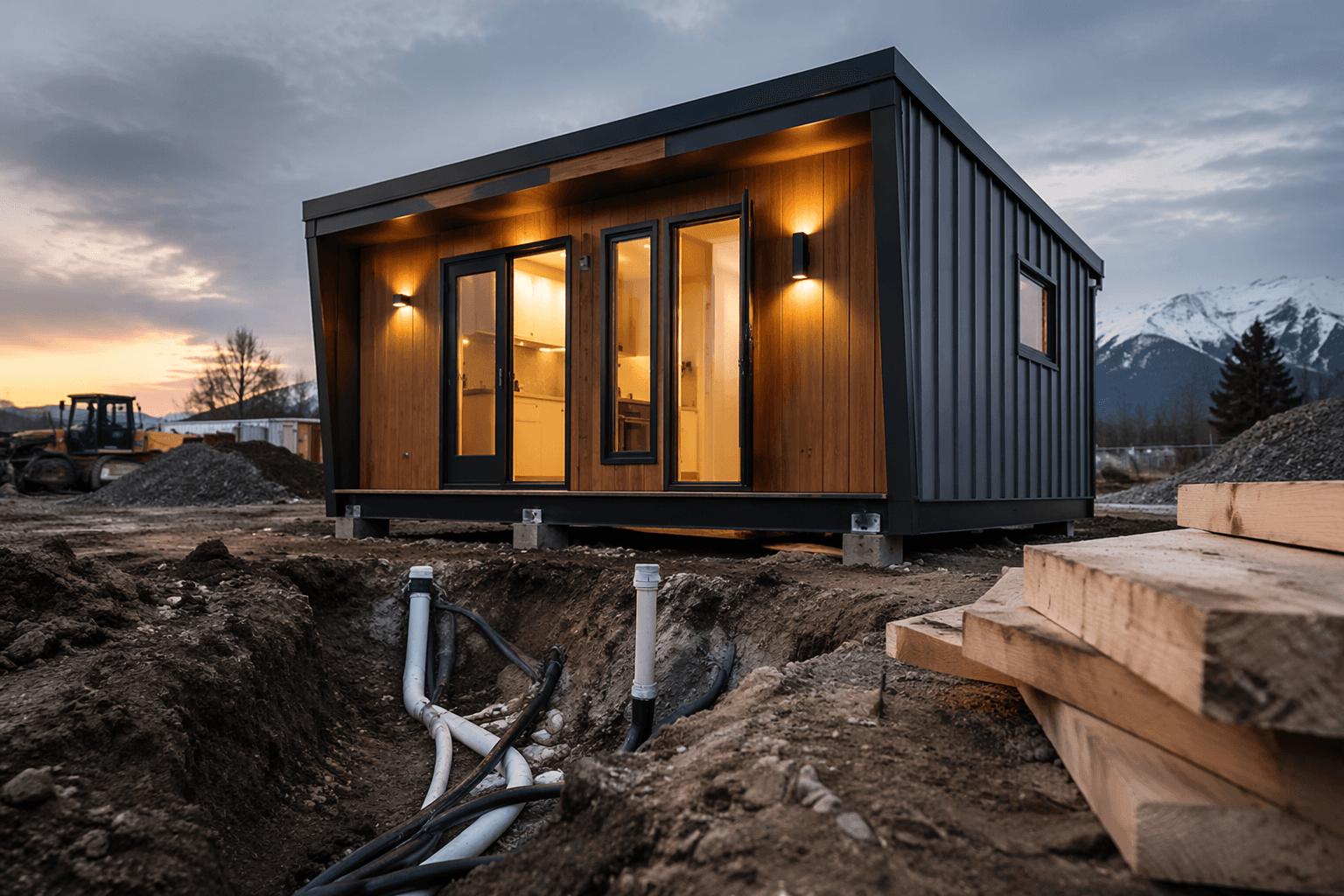
Florence 1 Schools Partners With Nonprofit to Build Tiny Home Village for Families
Florence 1 Schools announced a 10-unit tiny home village on district-owned land, targeting a 2027 opening to house families whose housing instability is keeping kids from learning.

Florence 1 Schools announced it will turn district-owned land into a ten-unit tiny home community for families experiencing housing insecurity, a rare move that positions a South Carolina public school district as a direct player in solving the shelter crisis affecting its own students.
The district made the announcement jointly with House of Hope of the Pee Dee, the local nonprofit that will serve as development and service partner on the project. Named Hope Village, the development is slated to open in 2027, with construction taking place on Florence 1 property in Florence, South Carolina.
The partnership goes beyond simply putting roofs over heads. Florence 1 and House of Hope structured the project around wraparound services designed to promote long-term housing stability, not just short-term shelter. That services-plus-housing model reflects what practitioners working within the McKinney-Vento homeless education framework have long argued: transitional housing without coordinated support rarely produces durable outcomes for families.
The district did not publish a construction cost estimate or a list of funders in the announcement, and details around site infrastructure, long-term operating funding, and referral eligibility are still to come. What the district made clear is the rationale driving the investment. "As a school district, we see firsthand how instability affects our students' ability to learn and thrive," the district stated. "When we work together, with compassion and purpose, we can ensure every child and every family has the stability and support they need to succeed."
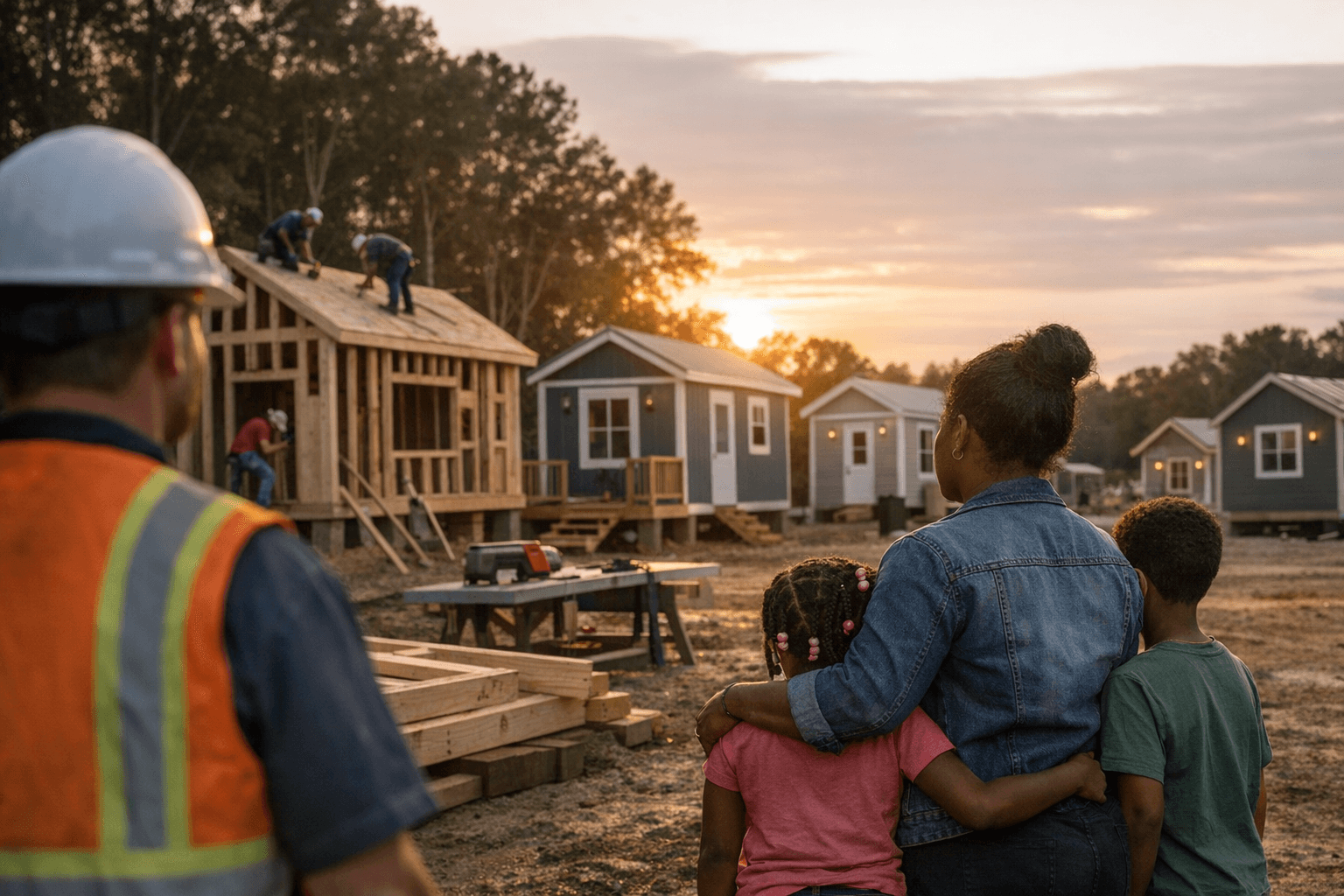
The framing is deliberate. Florence 1 positioned Hope Village not as a housing program that happens to involve a school district, but as an education intervention that happens to involve housing. The district acknowledged directly that "homelessness is a community issue," and pointed to the link between unstable home environments and diminished academic outcomes as the core justification for stepping outside the traditional boundaries of a school district's role.
Building on public school property carries a practical advantage: districts can site projects without the lengthy land acquisition process that slows standalone nonprofit development. Hope Village will be among the more closely watched tiny home villages in the southeast when it opens, as stakeholders in both education and affordable housing circles look to see whether a ten-unit school-district model can be replicated elsewhere.
This article was produced by Prism’s automated news system from verified source data, official records, and press releases, then run through automated quality and moderation checks before publishing. The system is built and supervised by the people who set the standards it runs under. Read our full AI policy.
Did this article answer your question?