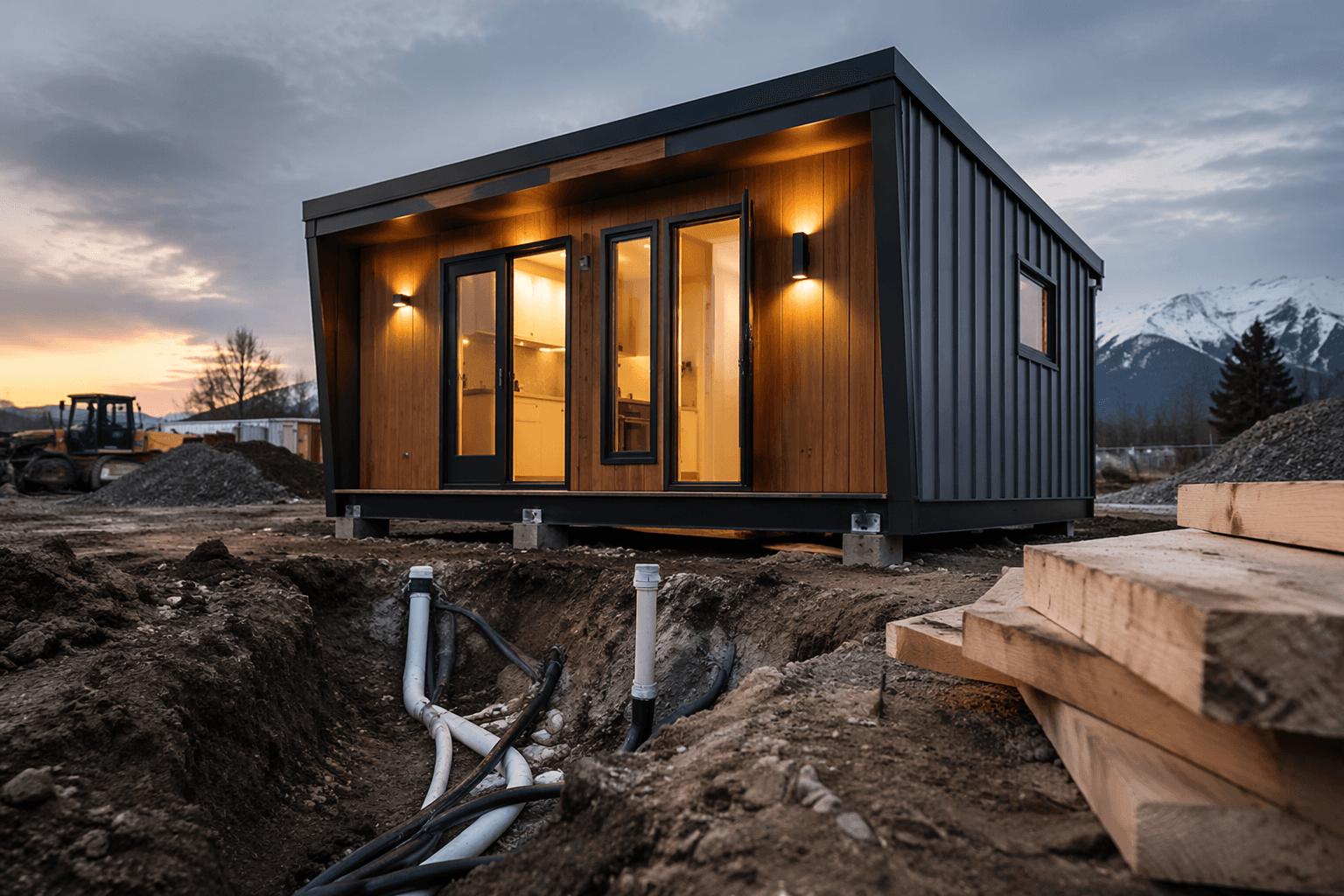
French tiny house turns sustainable living into a design manifesto
Tibi House’s custom build makes tiny living feel practical again, with self-sufficiency, local craft, and a strong sustainability ethic driving the design.
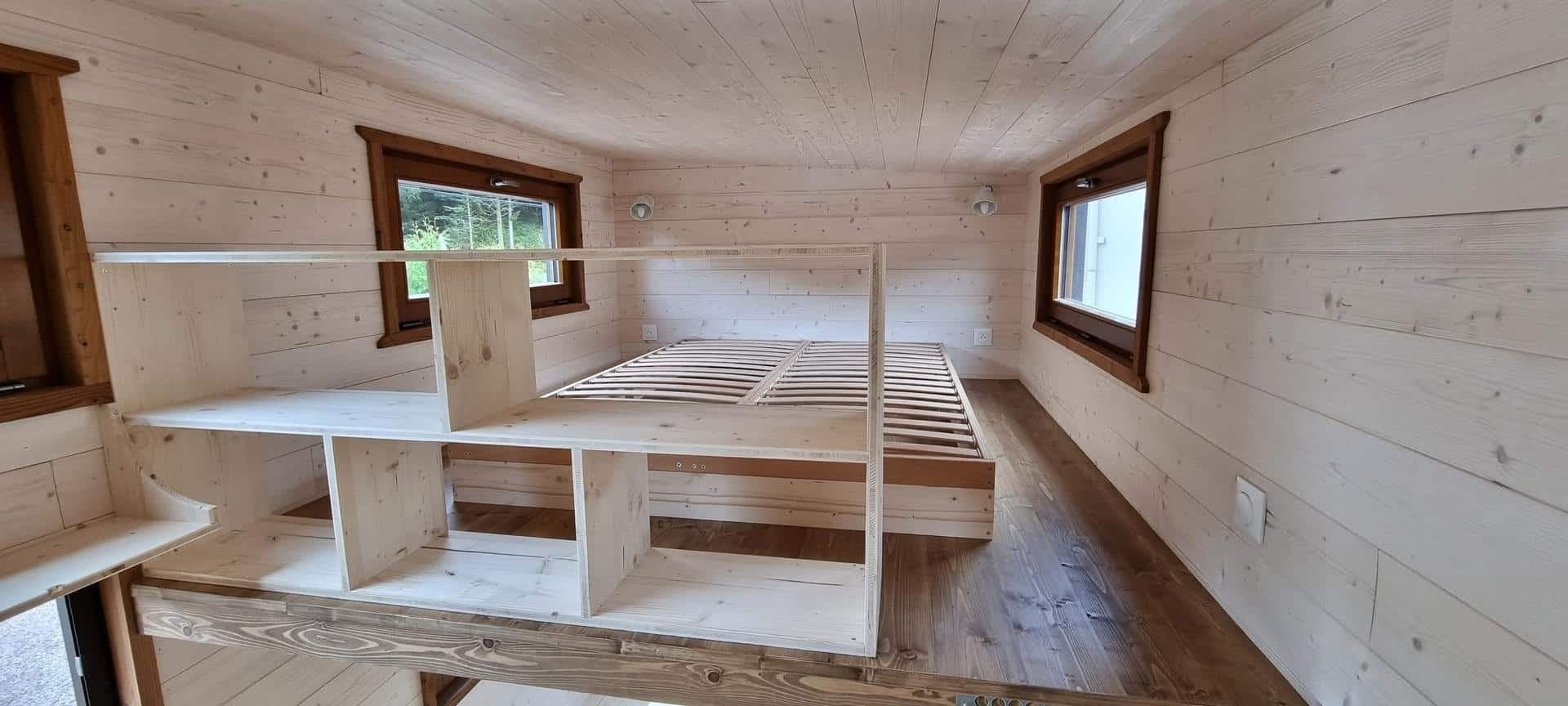
Tibi House’s self-sufficient home on wheels does not read like a stunt build. It reads like a reminder of why tiny living caught fire in the first place: less excess, more intention, and a house that feels rooted in real use instead of showroom fantasy.
What makes this French tiny house stand out is not just that it is small. It is the way the build turns eco-responsibility, community, and life close to nature into visible design choices, so the house feels like a living argument for tiny living rather than a scaled-down novelty.
A tiny house that acts like a statement
The strongest thing about this build is that it treats tiny living as a set of values, not a floor plan. The house is custom-built, self-sufficient, and mobile, which puts it squarely in the part of the movement that has always been about autonomy as much as size. That matters because the story is not selling downsizing as austerity. It is presenting a compact home as a way to live with fewer compromises in the places that count.
That framing gives the house a different kind of weight. Instead of leaning on gimmicks or a one-off shape, the build is described as a “living representation” of tiny-living values. In practice, that means the home is judged by whether it can support a lower-impact lifestyle and still feel like a place a person would want to inhabit every day.
Why the French approach feels distinct
The article argues that French tiny-house craftsmanship has its own identity, and this build is used as the proof. The look is described as traditional yet contemporary, rustic yet polished, which is a useful shorthand for what separates it from more generic tiny-house styling. It is not trying to look ultra-minimal for its own sake, and it is not drowning in decorative nostalgia either.
That balance is part of the appeal. The home feels tied to a craft tradition while still reading as current, which makes it feel less like a borrowed concept and more like a local expression of the movement. For readers who have seen plenty of tiny houses chase novelty, that distinction is the real story: the design language itself reinforces the values the house is meant to represent.
Self-sufficiency is doing the heavy lifting
The word self-sufficient matters here because it changes how you read the entire build. A self-sufficient tiny house is not just compact, it is built to reduce dependency and make everyday living more deliberate. That is one of the most practical ideas in the tiny-house world, and this French example keeps that idea at the center rather than burying it under aesthetics.
That emphasis is why the house feels closer to the movement’s original appeal. Tiny living always worked best when it solved more than one problem at once: housing pressure, waste, and the feeling of being overstuffed by a larger life than you actually want. This build makes self-sufficiency part of the design story, so the house reads as a system for living, not just a clever shell on wheels.
Sustainability is not an accessory here
The article pushes hard on sustainability, but in a grounded way. Eco-responsibility is not treated like a sticker you apply after the fact. It is embedded in the way the home is framed, from the materials and craft mindset to the broader idea that a tiny house should work in harmony with nature instead of fighting it.
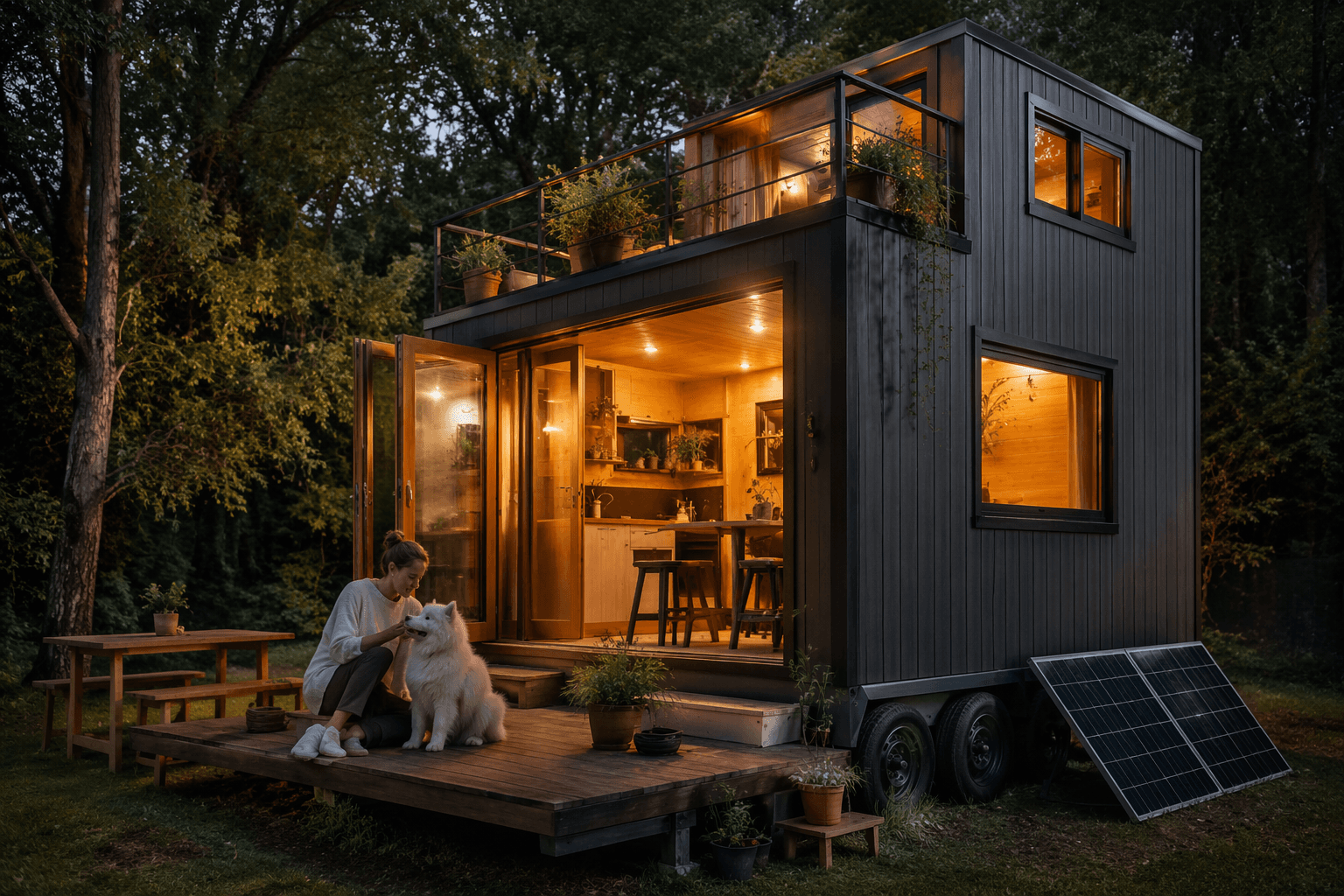
That is exactly where a lot of tiny houses lose credibility. They can be visually charming while still feeling disconnected from any real sustainability ethic. This build avoids that trap by tying design to environmental intent, which makes the home feel more honest and much more in line with what tiny living was supposed to be before the trend got flattened into social-media aesthetics.
Why the movement took root so quickly in France
The broader point in the story is that tiny houses in France are no longer an imported curiosity or just a workaround for housing costs. The movement spread quickly across regions and communities because it lines up with what many people actually want: lower-impact living, practical self-sufficiency, and a home that feels personally meaningful.
That is the real lesson for anyone following tiny houses as more than a decor trend. The French version of the movement appears to have traction because it connects lifestyle with place. It is not presented as escape or performance. It is presented as a workable way to live with fewer excesses while staying connected to local communities and to the landscape around you.
What this build gets right
The house works because several ideas support each other instead of competing for attention.
- Self-sufficiency gives the home a practical purpose.
- Custom-built craftsmanship keeps it from feeling generic.
- The traditional yet contemporary look gives it character without tipping into gimmick.
- The rustic yet polished finish makes it feel lived-in, not merely styled.
- Sustainability is treated as part of the structure of the idea, not a marketing add-on.
- The connection to local communities and nature keeps the build from feeling detached from real life.
Taken together, those choices explain why the house is described as more than a compact home. It becomes a kind of manifesto because it answers the basic tiny-house question with something sturdier than “how small can you go?” It asks what the house is for, who it is for, and what values it should carry every day.
The practical test is whether it still feels livable
That is where the story becomes useful for anyone thinking seriously about tiny living. A house can be beautiful and still miss the point if it cannot hold up under daily use. This French build is presented as successful because its philosophy is concrete: live lightly, stay self-sufficient, and make the home feel personally meaningful instead of disposable.
That is also why the house lands as a guide to the movement rather than just another design feature. It returns tiny living to the basics that made it compelling in the first place, then shows how craftsmanship can keep those basics from feeling bare. In a field full of tiny houses that chase attention, this one earns it by making restraint look like a real way to live.
This article was produced by Prism’s automated news system from verified source data, official records, and press releases, then run through automated quality and moderation checks before publishing. The system is built and supervised by the people who set the standards it runs under. Read our full AI policy.
Did this article answer your question?