Georgia's Tiny Home Zoning Reform Bill Stalls Before Legislative Session Ends
HB 1166 cleared Georgia's House 111-50 but died in the Senate without a floor vote, leaving tiny-home siting rules in each city and county's hands.

House Bill 1166, which would have stripped cities and counties of the power to block homes of 400 square feet or less on residentially zoned land, died in the Georgia Senate on April 3 when the chamber adjourned for Sine Die without ever holding a floor vote on the measure.
The bill, sponsored by Rep. Tangie Herring (D-Macon), had cleared the House on March 6 by a 111-50 margin. It arrived in the Senate on March 27 but was never called for a vote before the session clock ran out. That single procedural failure, no Senate floor vote before adjournment, leaves every Georgia municipality's existing tiny-home restrictions exactly where they stood before the session opened.
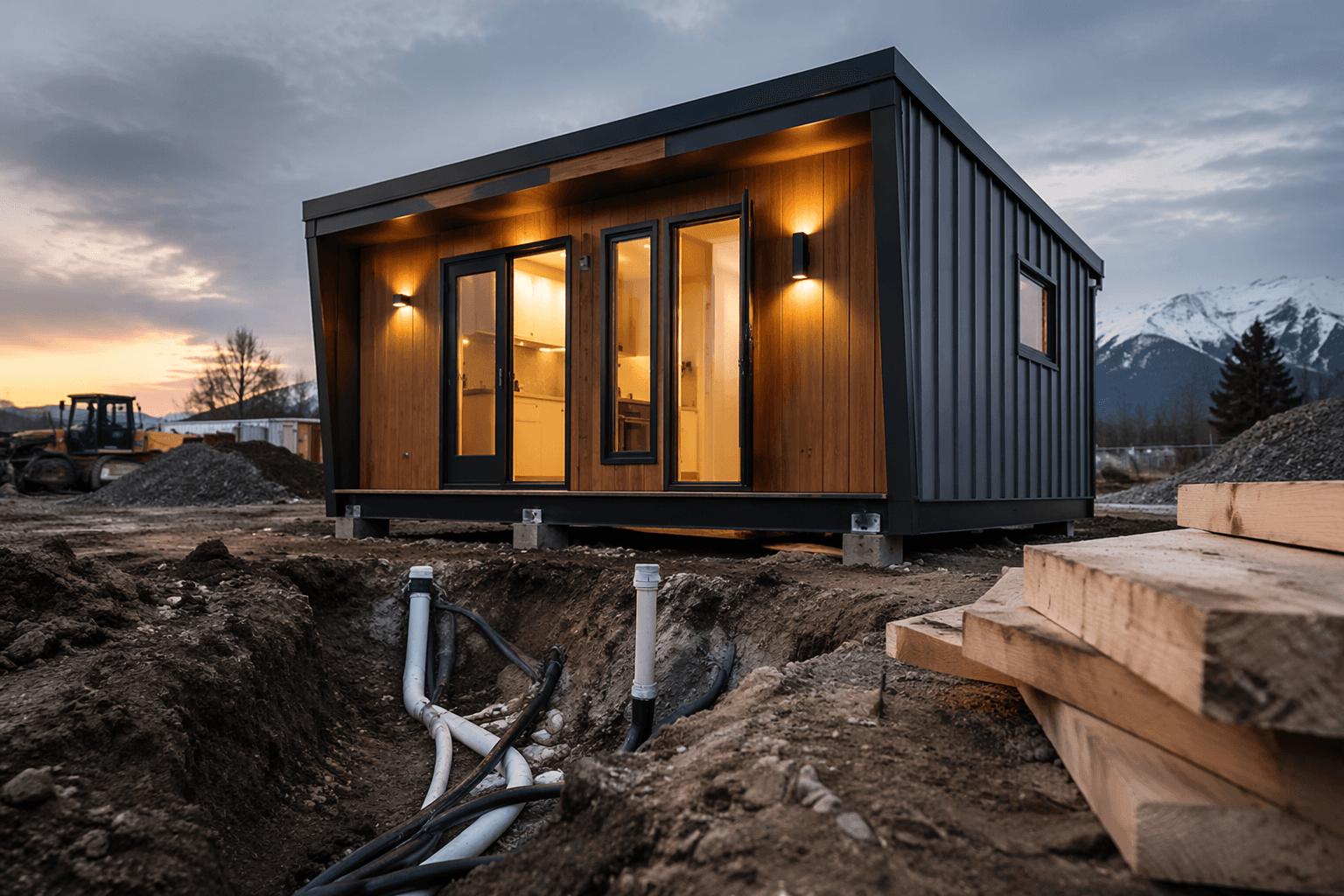
The practical consequence lands immediately on owners and builders: anyone hoping to site a small dwelling, whether a backyard ADU, a permanent supportive housing unit, or a low-cost primary residence, still faces the same maze of local approvals, conditional-use permits, and special exceptions that HB 1166 would have swept away. There is no statewide floor protecting sub-400-square-foot structures. A home that's legal in one county can remain flatly prohibited in the next, and without preemption legislation, that patchwork is every individual city council's and county commission's call alone.
A Macon development on Norris Street showed exactly what supporters had in mind. Ten tiny homes sit side by side there, and for resident Christopher Gilstrap, the arrangement represents a second chance at stable housing. "It's everything you need," Gilstrap said. "It's perfect. It's perfect for me." He said the kind of change HB 1166 promised would help "more people obtain permanent housing."
George Emami, owner of Craft Cottage Builders in Forsyth, was tracking the legislation closely. He told reporters the bill would have expanded legal placement options for his customers and increased demand for tiny homes, though he noted the 400-square-foot ceiling left some smaller modular builders wanting more flexibility from a number they felt was already generous.

The bill's path to the House floor wasn't frictionless. An earlier version stalled in committee over Republican concerns that institutional investors could exploit ADU rules to inflate home values. A substitute version addressed that directly, adding language to block large corporate buyers from spinning off ADUs as separate saleable units. That amendment earned a unanimous committee approval and set up the 111-50 floor win.
That amendment strategy is, arguably, the template for 2027. The Senate's inaction rather than outright rejection suggests the politics aren't closed off, but the coalition isn't yet wide enough. Future versions will likely need local governments at the table earlier, explicit guardrails on infrastructure capacity, and a settled answer to the question the 400-square-foot threshold kept reopening: whether that number is the right policy line or simply the one that became the bill's most polarizing feature.
Until that answer is worked out, the map of where a tiny home can legally land in Georgia is drawn entirely by individual cities and counties, one ordinance at a time.
This article was produced by Prism’s automated news system from verified source data, official records, and press releases, then run through automated quality and moderation checks before publishing. The system is built and supervised by the people who set the standards it runs under. Read our full AI policy.
Did this article answer your question?