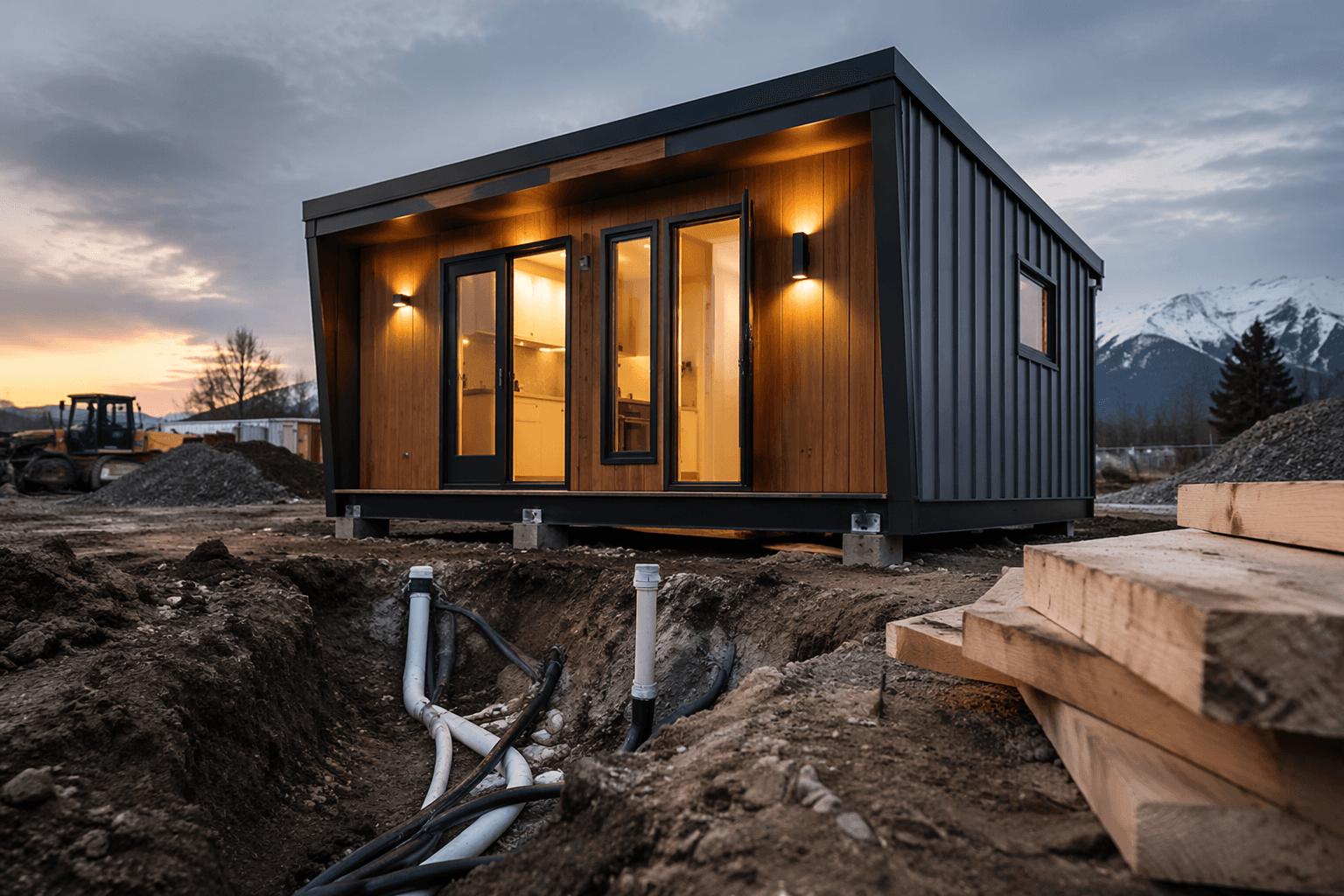
Walmart's $10,500 Prefab Tiny Home Sparks Hope for Affordable Housing Crisis
A $10,500 Chinese prefab listed on Walmart went viral as a housing fix. But freight delivery, a concrete foundation, unpaid electrical wiring, and local permits can triple that sticker fast.
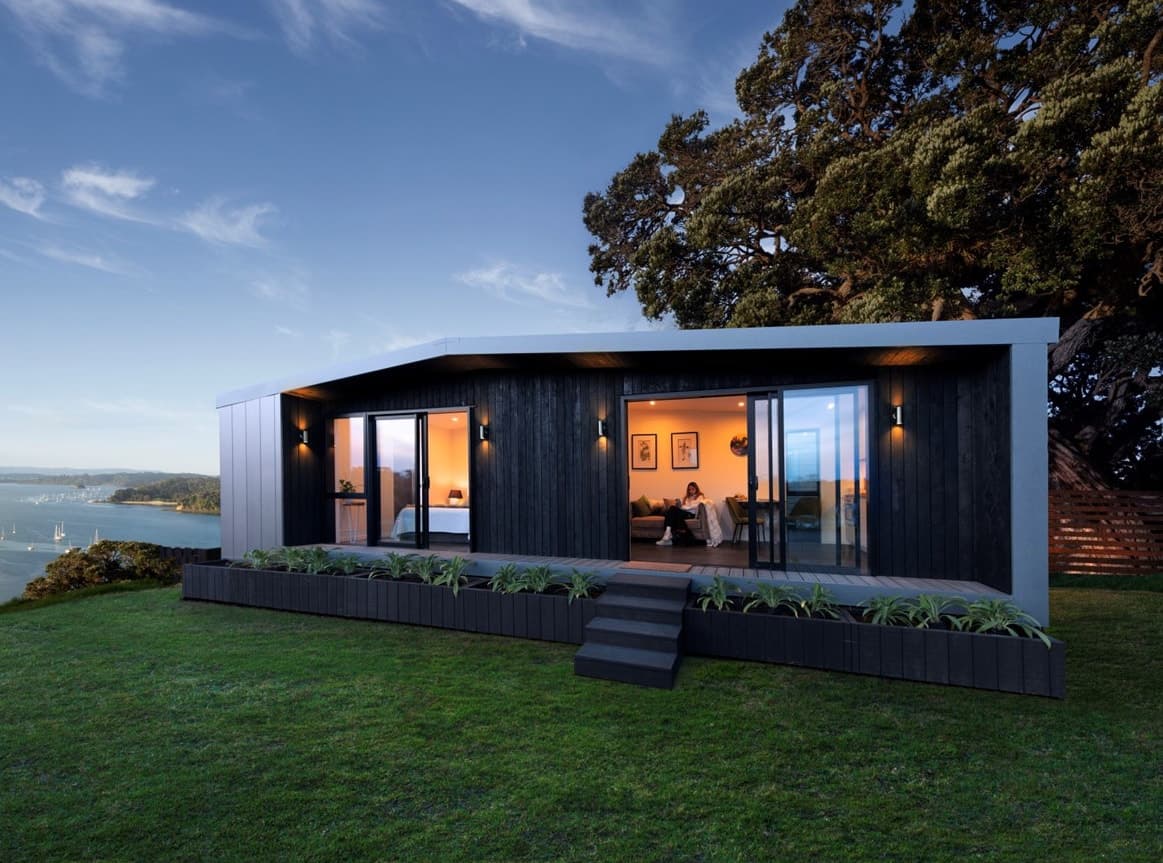
A Chery Industrial expandable prefab home listed on Walmart's website for roughly $10,500 has gone viral across housing forums and social media, racking up engagement from Americans desperate for any foothold in a market that has priced tens of millions out of homeownership. The steel-frame unit, manufactured in China and sold through Chery Industrial's U.S. storefront, unfolds from shipping-container dimensions to a roughly 20-square-meter living space with a built-in toilet, shower, and room divisions for a bedroom, kitchen, and living area. Before anyone clicks "add to cart," though, the actual bill looks nothing like the listing price.
Delivery alone requires a flatbed truck, and customers are responsible for unloading the unit, which Walmart recommends doing with a forklift or crane, a rental that typically runs $500 to $1,500 depending on location. The unit's listing also notes that electrical wiring is not included and that buyers must hire a licensed electrician to install wiring to U.S. standards, a job that industry estimates put at $3,000 to $8,000 for a structure this size. Appliances are not included either.
The home's listing recommends pouring concrete on its legs to maximize stability, which points to a larger line item: the foundation. A concrete pad or foundation for a structure like this typically costs $5,000 to $15,000, depending on soil conditions and contractor rates. Add building permits, which run $1,000 to $2,000 in most jurisdictions, plus utility trenching for water and sewer, and the all-in tab for a placed, wired, and code-adjacent Chery unit can push past $30,000 to $40,000 before a single piece of furniture arrives.
The unit is rated to withstand wind loads up to 70 mph, depending on foundation, and heavy snow loads up to 6.6 feet on the roof, though the listing warns against occupying it during extreme weather events including storms, hurricanes, tornadoes, and floods. That carve-out matters enormously for anyone considering it as a permanent primary residence, and it flags a deeper structural problem: the unit is not HUD-code certified, meaning most municipalities will classify it as a temporary or accessory structure rather than a habitable dwelling, which can block utility hookups, trigger zoning denials, and void homeowner's insurance coverage entirely.
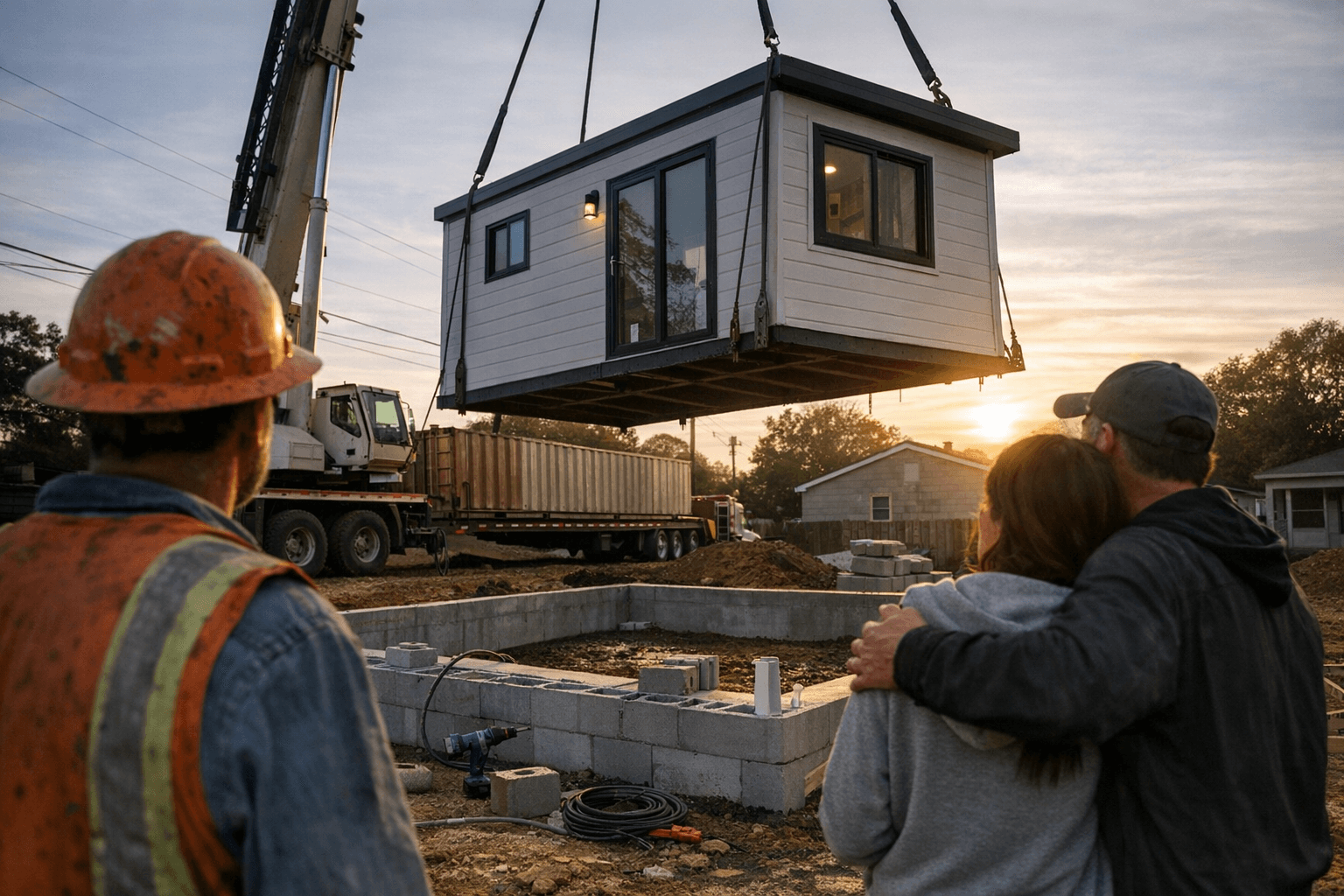
For context on what that same money actually buys in the code-compliant market, prefab tiny homes that meet U.S. building standards generally range from $15,000 to $120,000 for the structure, with entry-level HUD-certified shells starting around $25,000 to $40,000 and arriving ready for permitted utility connections. A basic shed-to-cabin conversion kit in that same $10,000 to $15,000 range, sourced domestically, typically includes framing that meets local wind and snow load requirements without the freight and permitting uncertainty attached to an overseas-manufactured expandable unit.
None of that undercuts the genuine desperation driving the Walmart listing's virality. U.S. housing costs have continued rising, fueled by a shortage rooted in the construction downturn that followed the 2007-2009 recession, and for buyers priced out of even the starter-home market, a $10,500 structure that includes a shower and a roof feels like an exit ramp. The real question isn't whether this unit can serve as shelter. It clearly can. The question is whether the total cost, the zoning reality, and the weather limitations make it a smarter buy than the alternatives hiding in plain sight at roughly the same all-in price.
This article was produced by Prism’s automated news system from verified source data, official records, and press releases, then run through automated quality and moderation checks before publishing. The system is built and supervised by the people who set the standards it runs under. Read our full AI policy.
Did this article answer your question?