Seattle's Taxpayer-Funded Tiny Home Villages Include Dedicated Fentanyl Smoking Rooms
Andrea Suarez was banned from Seattle's Interbay Village after posting video of a dedicated fentanyl smoking shack inside the taxpayer-funded LIHI-operated site.
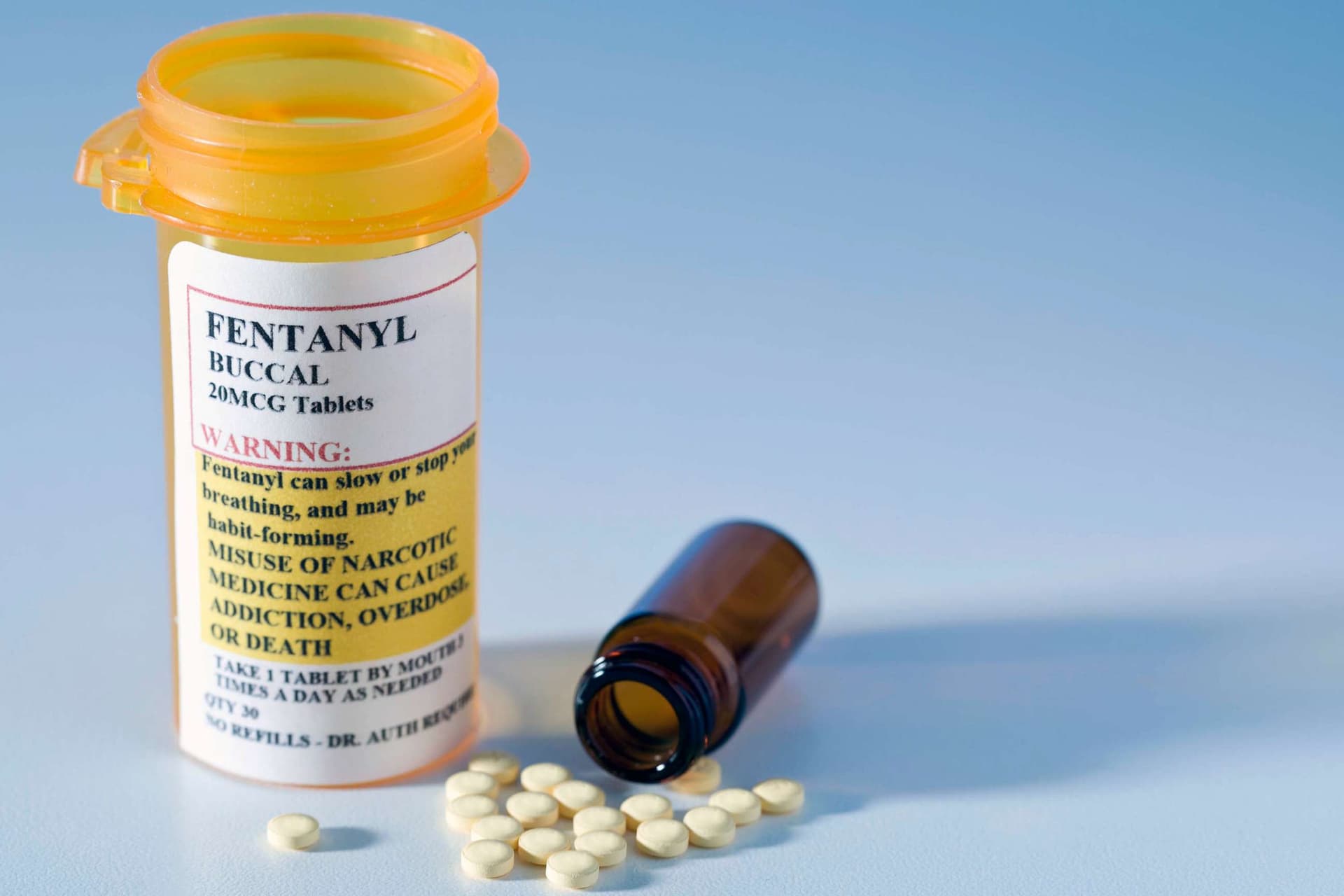
Inside a tiny home at Seattle's Interbay Village, a few chairs ring an otherwise bare room. A resident told We Heart Seattle founder Andrea Suarez exactly what the space is for: "There's a drug house right there for people who do drugs. You come in here to do your fetty, and nobody says anything. Narcan is up here. Usually, it's full of people. The drug dealers, they're in there smoking with people."
Suarez posted video of the visit to social media. Within days, the Low Income Housing Institute, the nonprofit that operates Interbay Village and roughly 15 similar sites across King and Pierce counties, informed her she was blacklisted from all properties.
The village is designated low-barrier, a policy classification that explicitly permits residents to bring in controlled substances. "These are low barrier, meaning drugs are allowed inside," Suarez said. "There's no requirement to enroll in treatment at these shelters known as tiny house villages."
Suarez, whose organization has spent more than five years cleaning up drug-infested areas in Seattle parks and helping users connect to treatment, called the situation "morally wrong" and a misuse of public funds. "And in the name of keeping people alive, never using alone, we're making sure people don't overdose and die inside their houses," she said. "And it's just really defeating and morally wrong in my opinion."
The smoking shack itself wasn't an accident. Suarez explained that one village recorded so many overdose deaths that staff decided to create a designated shack so residents wouldn't use alone. Narcan is kept inside. According to the resident filmed in the video, the drug dealer responsible for supplying much of what gets smoked there also lives on the property.
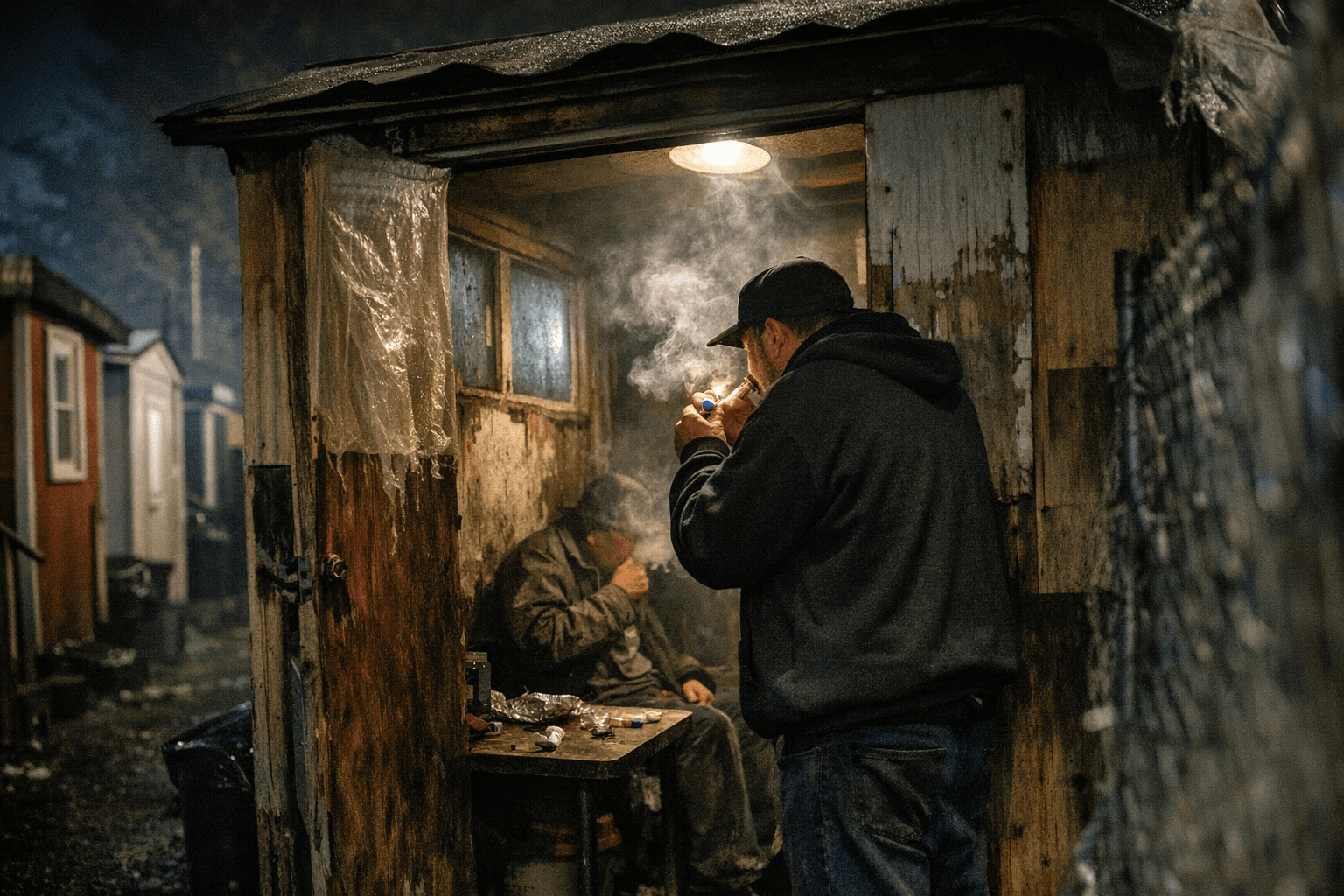
Seattle's City Council included $5.9 million in its 2025 budget to fund startup and operation costs for new LIHI villages, with contracts awarded through the King County Regional Homelessness Authority. LIHI operated 15 villages in 2025, sheltering 1,663 people across King and Pierce counties, making it one of the largest tiny home village operators in the country.
Suarez argued that without treatment requirements, these villages effectively fuel a supply chain of crime, including retail theft and the sex trade, as residents struggle to fund their addictions. "I don't think that the voter at large knows that the tiny house villages are harboring our drug dealers and drug users," she said.
Suarez confirmed she has additional footage she plans to release, which she says will show multiple villages being used as what she described as trap houses, with residents openly smoking fentanyl and methamphetamines. LIHI has not responded with an on-record comment. The question now sitting with Seattle's City Council and Mayor Katie Wilson, who in January issued an executive order to accelerate new shelter capacity, is whether low-barrier policy is a harm-reduction tool or a publicly funded condition that makes harm harder to escape.
Know something we missed? Have a correction or additional information?
Submit a Tip