Groundbreaking begins for tiny homes for homeless seniors in University Park
Construction started on four 546-square-foot tiny homes for homeless seniors at 6 Claremont St. The $1 million pilot could open by early October.
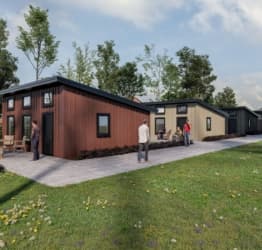
Four tiny homes for homeless seniors broke ground at 6 Claremont St. near University Park on Tuesday, turning a quarter-acre strip of grassy land off Main Street into Worcester’s latest test of whether small-scale housing can do real work in a growing crisis.
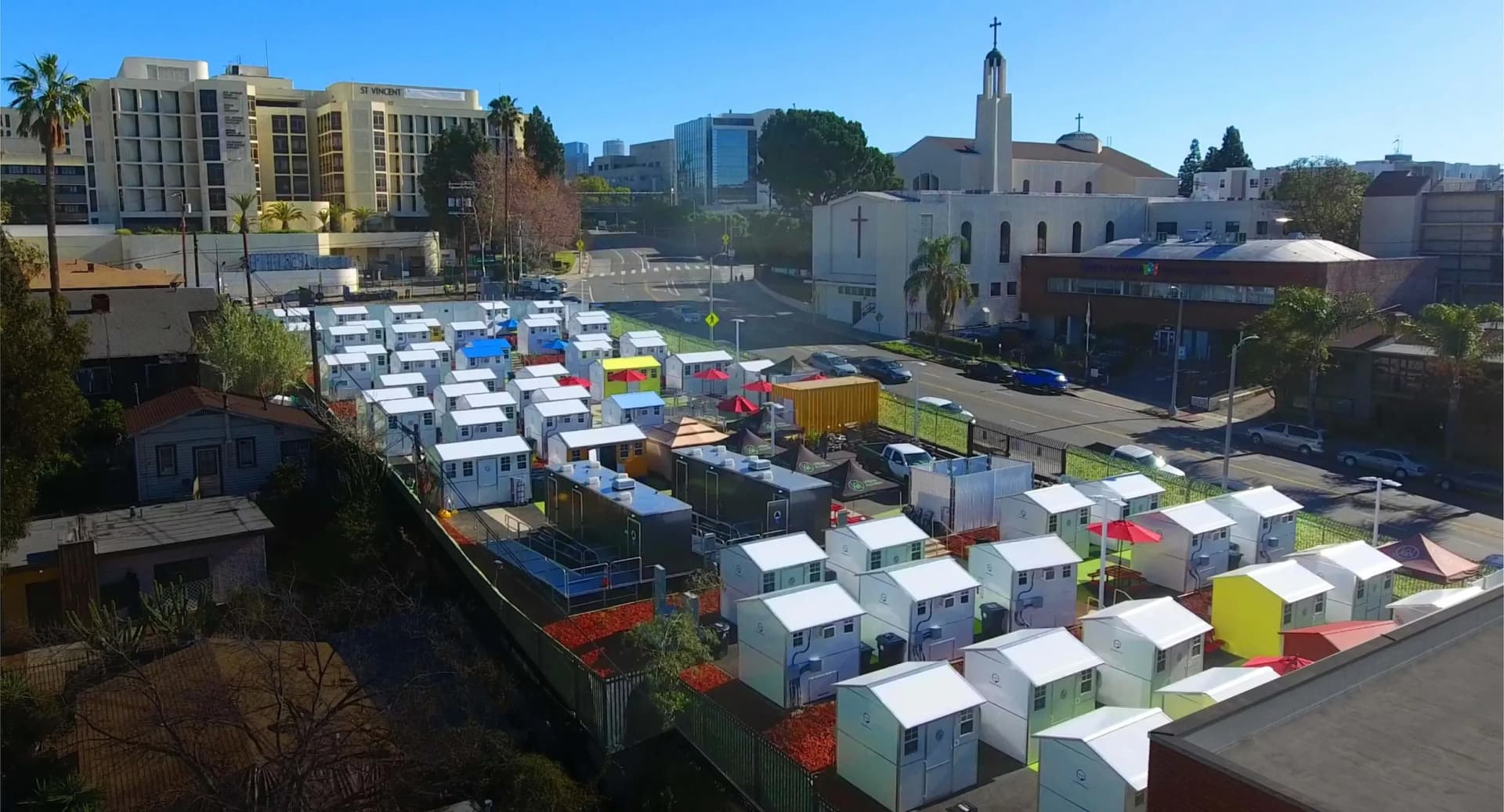
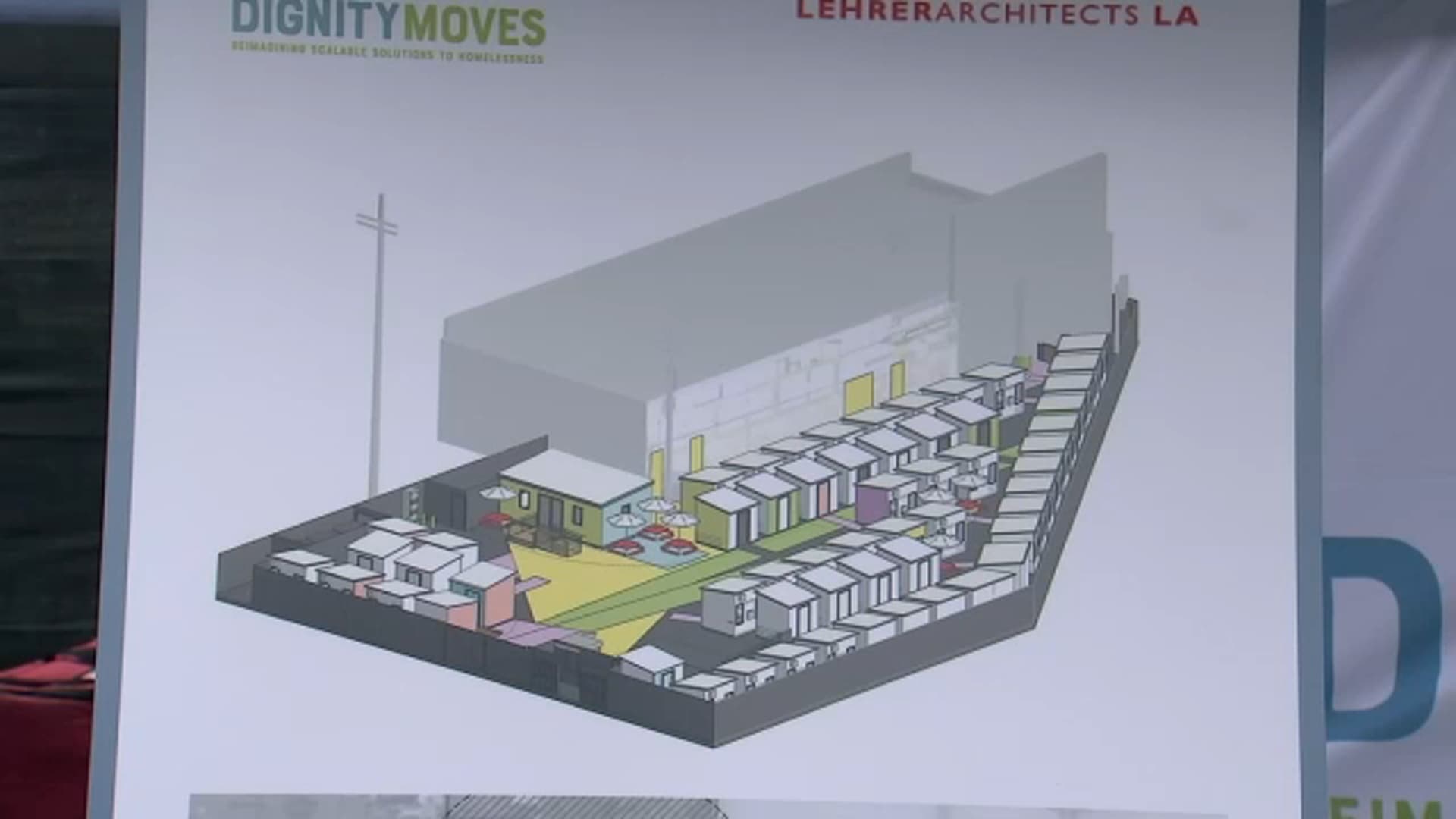
The project, called the Seeds of Hope tiny home village, will include four modular, ADA-accessible, single-level cottages, each about 546 to 550 square feet and each designed as a one-bedroom unit for older adults at risk of homelessness. Worcester Community Housing Resources is leading the build with United Way of Central Massachusetts and Open Sky Community Services, which is expected to provide case management and support services once residents move in.

City backers and nonprofit partners have framed the Claremont Street site as a pilot, not a one-off novelty. Worcester’s five-year strategic plan identified a need for more than 100 units of permanent supportive housing, and supporters say this project is meant to show whether a lower-cost model can be replicated on a larger scale elsewhere in the city.

The numbers already show how much hangs on that question. The total project cost is estimated at about $1 million. So far, the effort has secured a $178,000 grant from the state Department of Public Health and more than $600,000 raised by the United Way and partners, leaving roughly $300,000 still to secure. Much of the professional work has been donated pro bono, part of the effort to keep costs down and shorten the timeline.
Supporters say the homes could open as soon as early October, giving the city a near-term date to judge whether the tiny-home model can help ease pressure on Worcester’s affordable housing stock. That urgency is underscored by the city’s own homelessness data: senior homelessness rose nearly 30 percent between 2018 and 2022, and one report showed the number of homeless residents age 65 and older increasing from 42 in 2020 to 90 in 2024. The 55-to-64 age group also climbed, from 305 in 2023 to 324 in 2024.
Mayor Joseph Petty and state Sen. Robyn Kennedy have both backed the Claremont Street effort, but the real verdict will come later, when the first residents move into the quarter-acre village and Worcester can see whether four compact cottages become a meaningful template, or just a small start, in a much larger housing shortage.
Know something we missed? Have a correction or additional information?
Submit a Tip