North Hollywood tiny home village draws debate over housing outcomes
A 39-unit North Hollywood village is being hailed as progress, but LAHSA’s 10% permanent-housing rate has sharpened the debate.
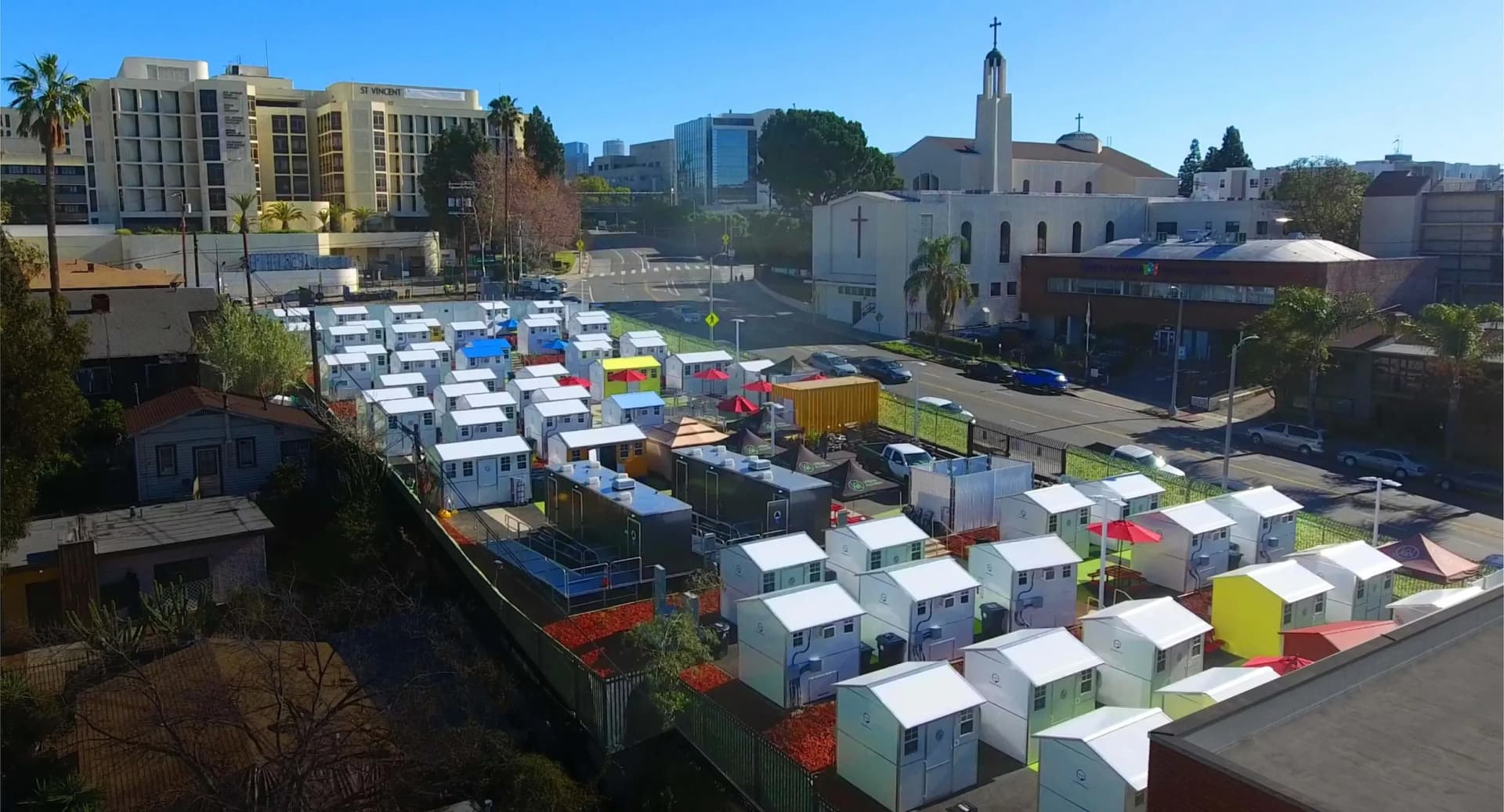
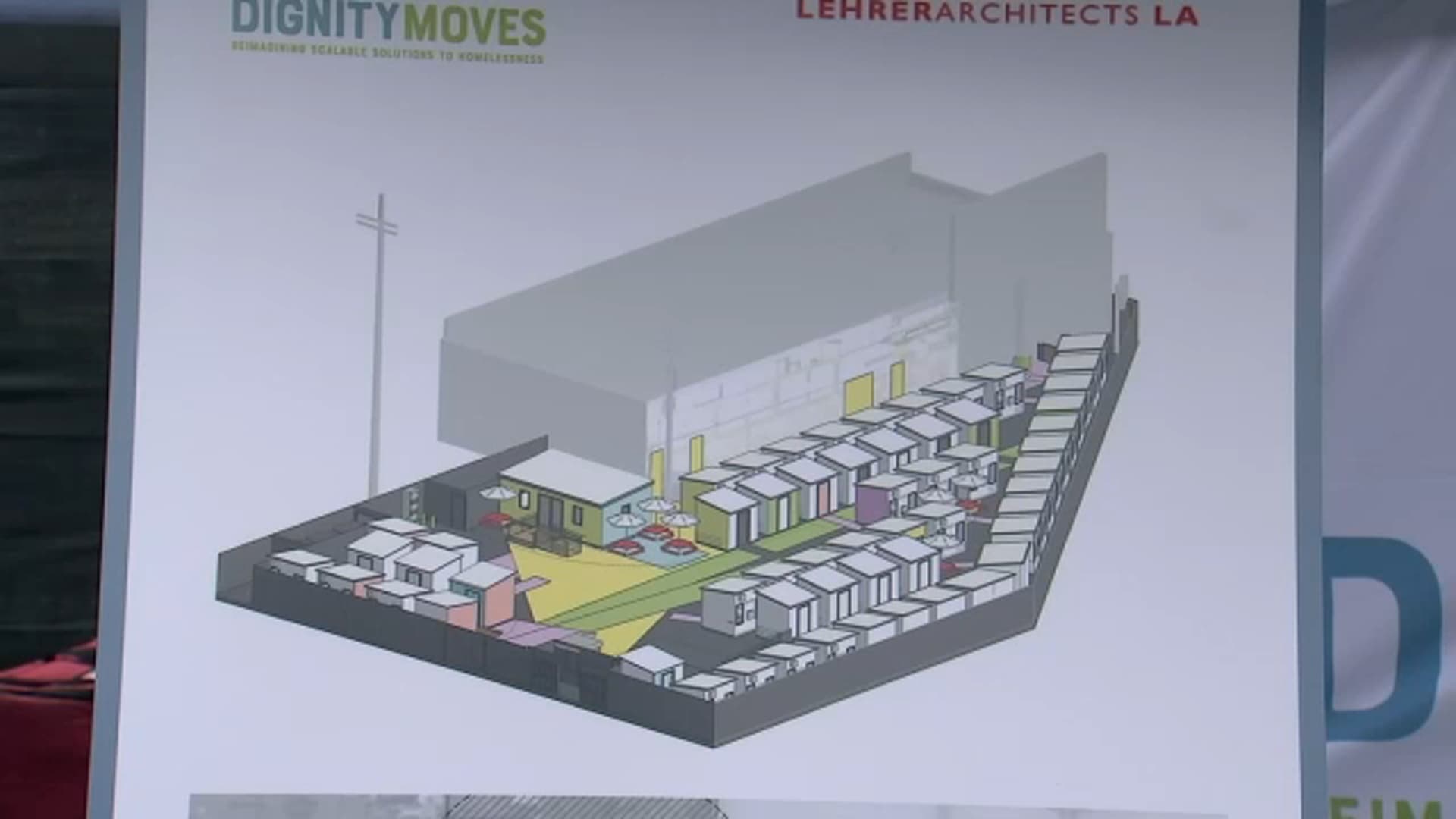
A 39-unit tiny home village in North Hollywood has become the latest test of Los Angeles’ shelter strategy, with officials presenting it as a step off the street even as LAHSA data put its move rate into permanent housing at just 10 percent. City leaders and providers have said the figure is closer to 30 percent, turning one compact site on Saticoy Street and Whitsett Avenue into a much bigger argument about what tiny homes are meant to do.
At a 10 percent rate, only a small slice of residents are leaving for permanent housing, which is why the numbers have landed so hard. On a site built for people who had been living on the street, a rate that low suggests the village is producing stabilization faster than it is producing exits. That gap has fueled the question hanging over North Hollywood and over Los Angeles’ tiny-home rollout more broadly: should these communities be judged as short-term crisis relief, or as a housing pathway that ought to deliver more permanent placements?
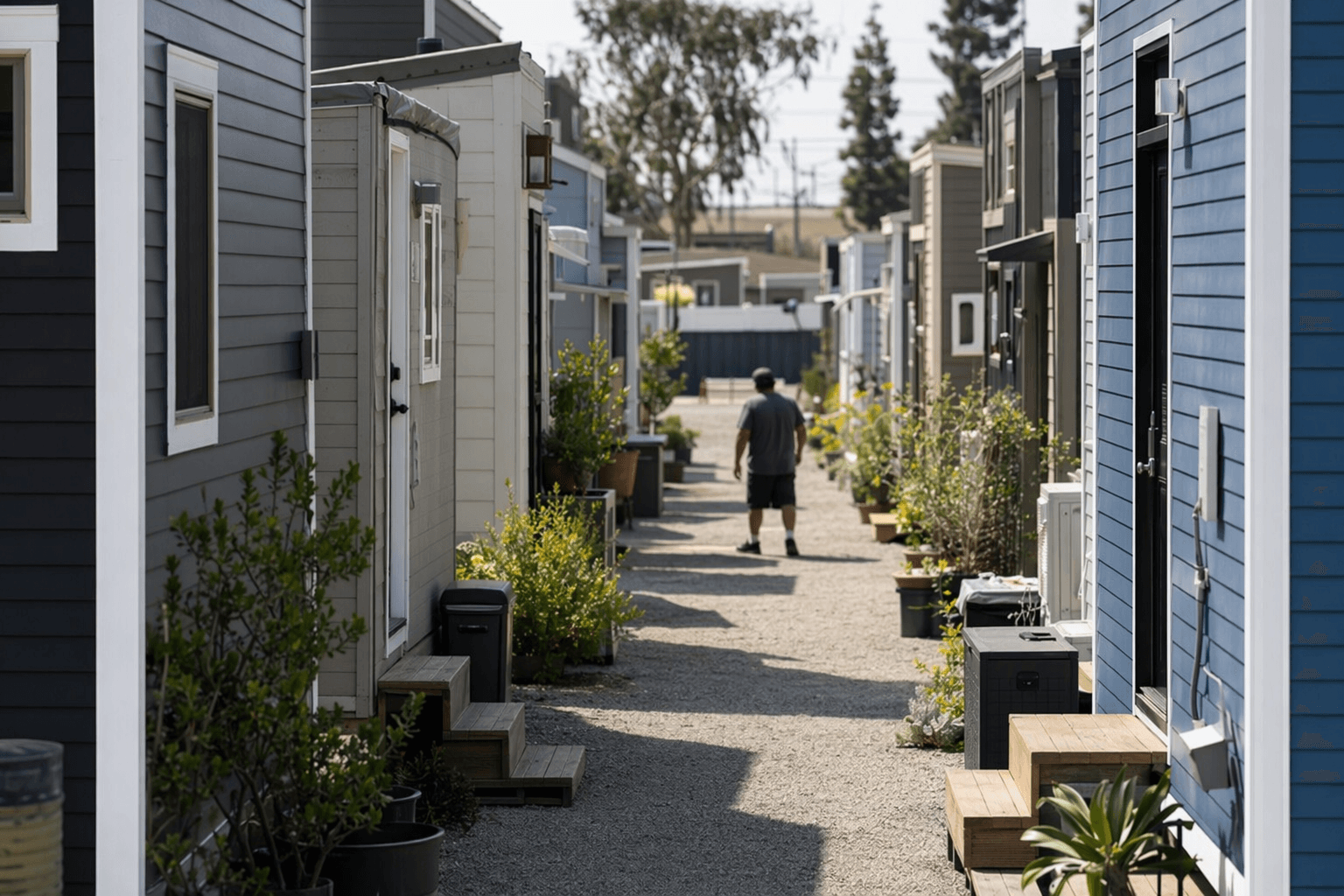
The North Hollywood village sits inside a larger city strategy that began in February 2021, when the first tiny home community opened on Chandler Boulevard with 39 homes and 75 beds. A larger North Hollywood village at Alexandria Park followed in spring 2021 with 103 shelters and 200 beds, and city coverage described it as the largest tiny-home village in California at the time. City documents said the Alexandria Park project was built and funded entirely by the city at a total cost of about $8.6 million, or roughly $43,000 per bed.
That investment has always carried two promises: speed and services. Hope of the Valley has said its tiny-home villages are a bridge to permanent housing, not a final destination, and that residents can get meals, showers, laundry, case management, housing navigation, job support and mental-health referrals. LAHSA also said in January 2025 that changes to the rehousing system in FY23-24 led to 45 percent more people moving from the street to permanent housing, 32 percent more moving from the street to interim housing, and 29 percent more moving from interim housing to permanent housing.
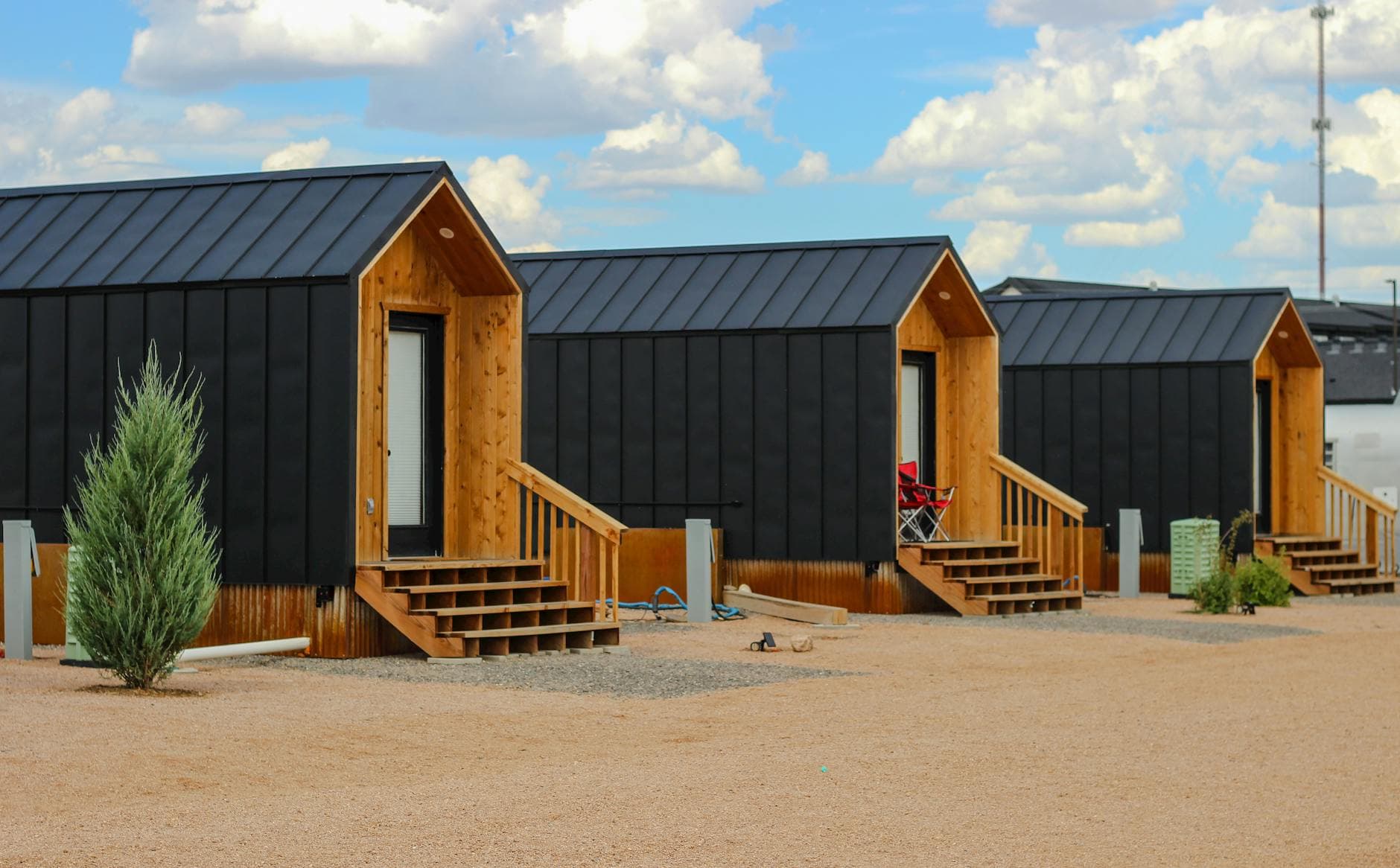
The setting underscores the city’s bet. The North Hollywood site sits on a narrow strip of land between the 170 Freeway and industrial properties, one of several underused parcels Los Angeles has converted into non-congregate shelter. But the debate around this village shows that building more tiny homes has not settled the larger question: whether the model is succeeding mainly by getting people indoors quickly, or whether it can also deliver the permanent exits that officials keep pointing to.
Know something we missed? Have a correction or additional information?
Submit a Tip