Honeywell Hut blends recycled charm, off-grid living, and digital detox escapes
A restored hut near Abel Tasman trades polished minimalism for wood-fired, off-grid living, turning digital detox into a tiny-house experience with real market pull.
A tiny stay that looks found, not built
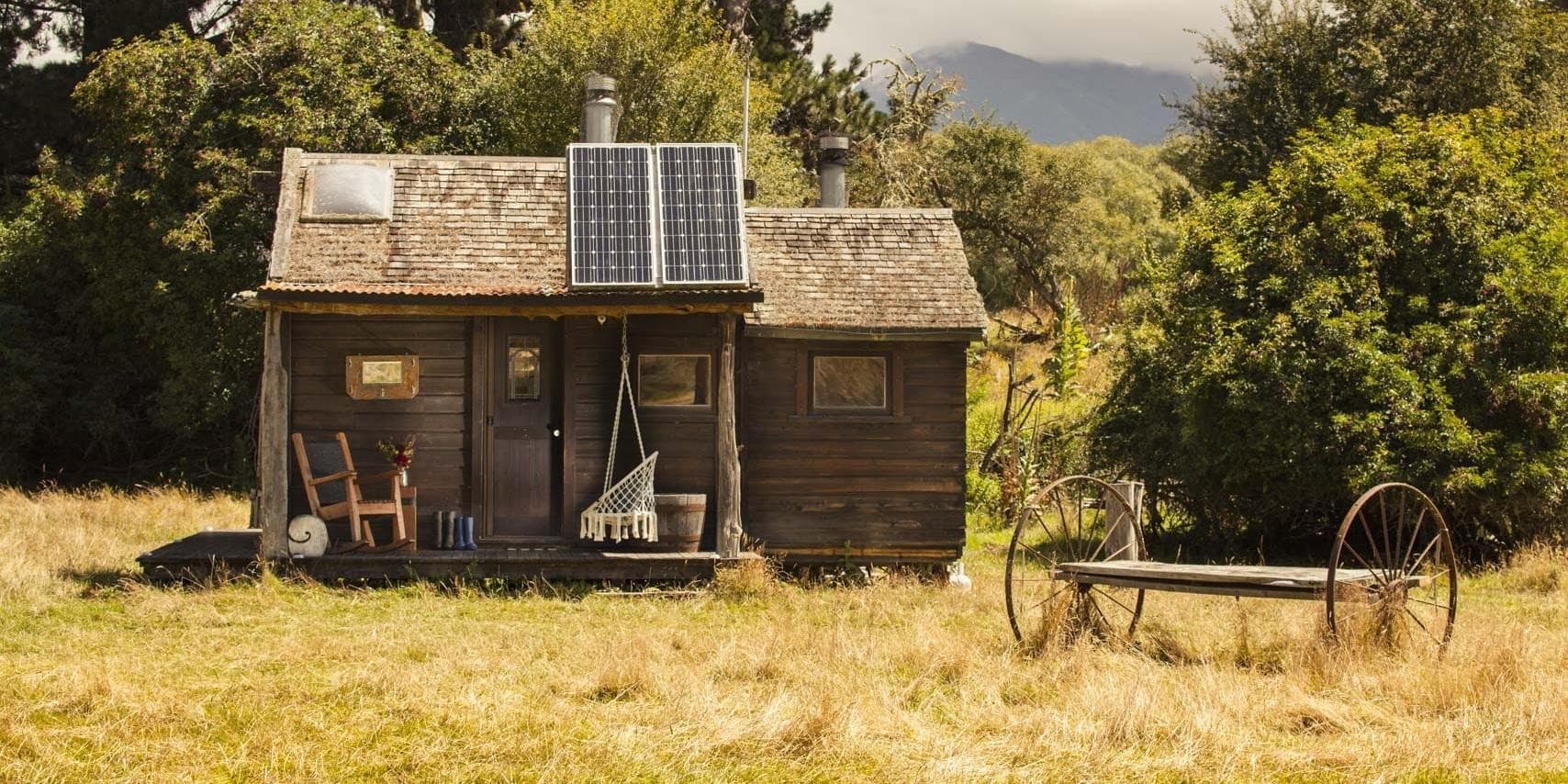
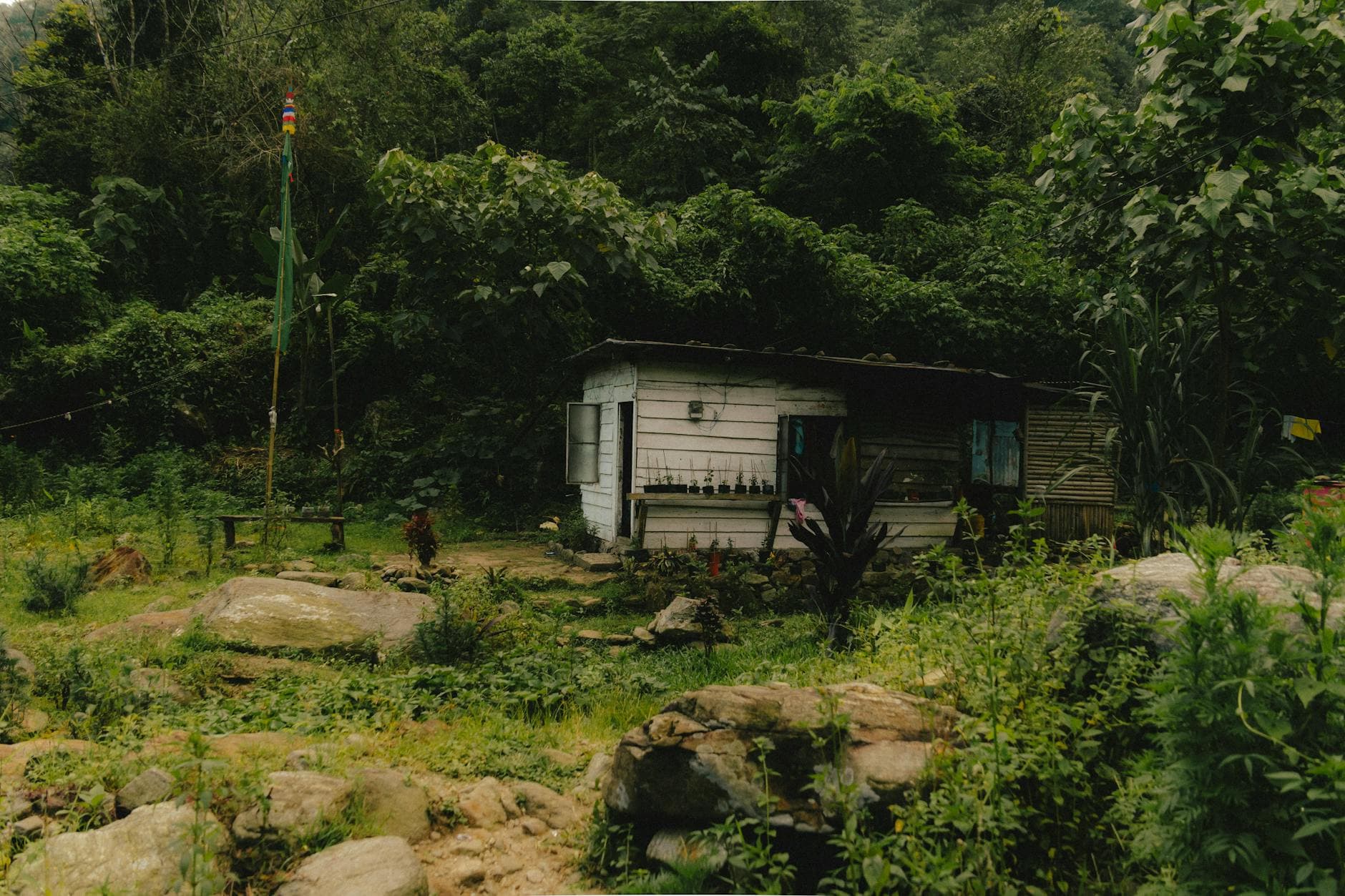
Honeywell Hut works because it resists the polished tiny-home formula. On Baton Run Farm near Nelson and Abel Tasman National Park, Richard and Fiona have restored an old dwelling with recycled and upcycled materials, giving it the feel of a place that was discovered rather than manufactured. It reads as roughly 100 years old, yet it has been carefully reworked into a glamping escape that still serves modern guests.
That tension is exactly why the hut stands out in a market crowded with clean-lined minimalism. Instead of selling sleekness, it sells character: weathered surfaces, a rural backstory, and the sense that the building belongs to the land around it. For tiny-house fans, that makes Honeywell Hut more than a photo-ready stay. It is a reminder that authenticity itself can be the luxury.
What the off-grid setup really means
The headline feature is not a gimmick. Honeywell Hut is deliberately off-grid, and the practical limitations are part of the experience. There is no indoor toilet, no Wi-Fi, and no cell reception, so the stay is built around a full break from the usual digital routine.
Guests use an outdoor shower and hot tub, get hot water from a wood-fired heater, cook with LPG, and rely on solar energy for the lights. The indoor kitchen stays intentionally spare: a four-burner stove, a small fridge, a sink, and the basics needed for self-catering. That setup makes the hut easy to understand as a digital detox escape, but it also reveals how carefully the experience has been designed. Nothing is accidental, and nothing is trying to imitate a hotel suite.
Why the location does so much of the work
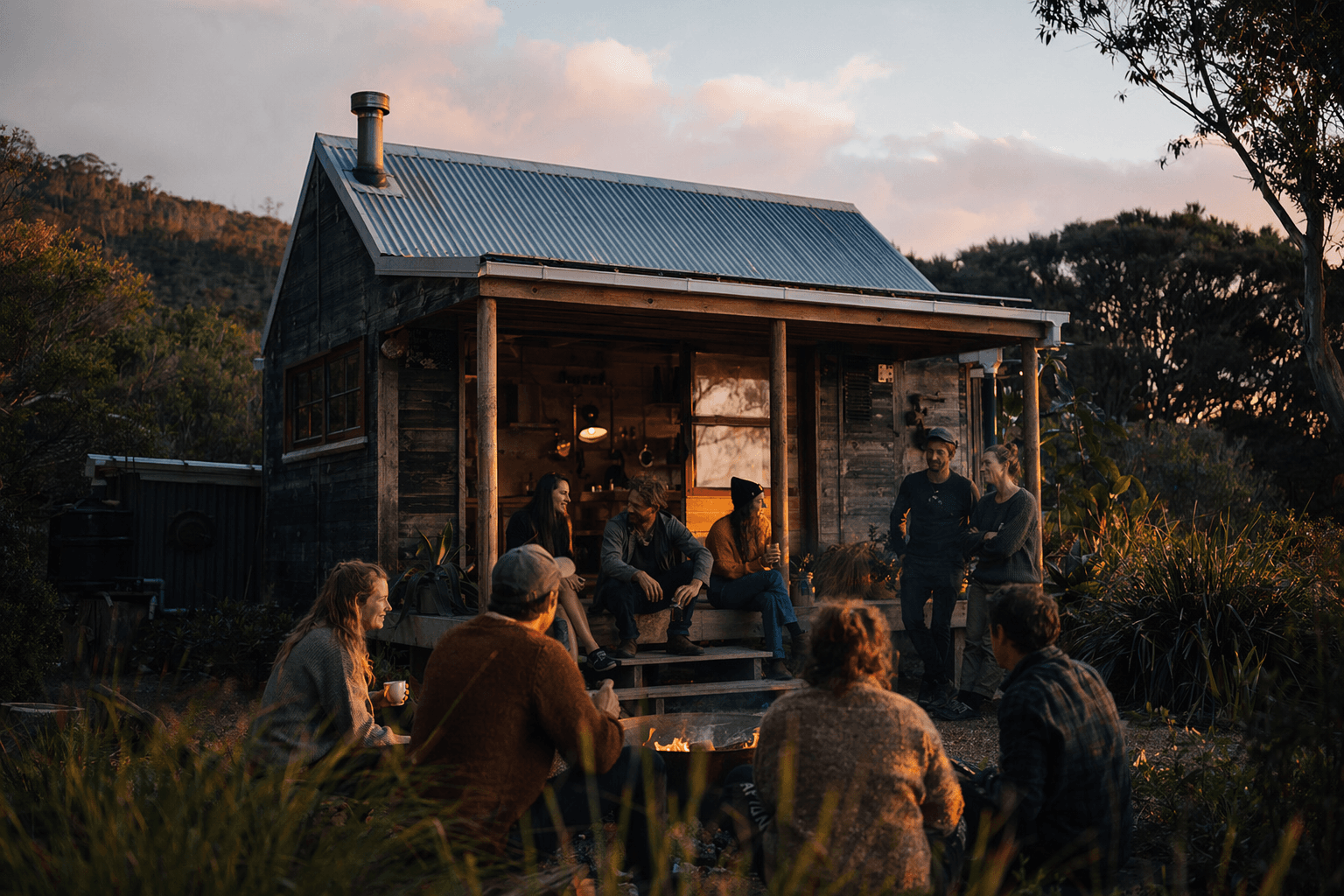
Baton Run Farm gives Honeywell Hut a rural identity that matters as much as the build itself. The property sits near Nelson and Abel Tasman National Park in a landscape tied to local farming culture, so the stay carries the texture of New Zealand farm life, not just the shape of a tiny house. That setting strengthens the hut’s story of being restored rather than newly manufactured.
The nearby park adds a major tourism draw. Abel Tasman National Park is New Zealand’s smallest national park, covering 237 km2, yet it is one of the country’s most visited. Department of Conservation materials describe it as renowned for its golden beaches, sculptured granite cliffs, and its world-famous Coast Track, which explains why a rustic stay nearby has obvious appeal for travelers looking to pair scenery with seclusion.
The practical test: charm versus daily convenience
Honeywell Hut is persuasive as a concept, but it also asks a real question: how much inconvenience can a guest happily absorb when the setting is this good? The answer depends on expectations. For travelers wanting easy luxury, the lack of indoor plumbing and connectivity may feel like a deal-breaker. For guests chasing a reset, those same omissions are the point.
That is where the hut becomes useful as a case study for the tiny-house world. It shows that tiny living does not need to chase the same definition of comfort as a condo or conventional rental. The appeal here is a highly curated lack of convenience, one that makes the outdoor shower, the wood fire, the simple kitchen, and the absence of screens feel purposeful rather than stripped bare. In other words, the hardship is part of the branding, but it also has to function day to day.
Why the market for this kind of stay is strong
Honeywell Hut is not an isolated curiosity. It fits into a well-established shepherd’s-hut niche in New Zealand hospitality, where restored huts are often marketed as romantic, rustic, eco-minded escapes. Those listings commonly lean on the same ideas seen here: outdoor baths, wood-fired features, seclusion, and stargazing. The formula works because it turns simplicity into an experience rather than a compromise.
The commercial logic is easy to see in the wider Abel Tasman area. Stuff reported that an estimated 228,000 people visited the park between July 2014 and June 2015, generating more than NZ$1 million in campground and hut fees for the Department of Conservation. That kind of foot traffic helps explain why a carefully styled off-grid stay near the park can hold real value. It is not just a beautiful object. It sits inside a proven tourism economy.
A landscape with deeper history than the view suggests
The setting is scenic, but it is also shaped by disruption and recovery. Project Janszoon says Abel Tasman’s landscape has been modified perhaps more than any other national park in New Zealand because of fires, logging, and land clearance. That history gives a stay like Honeywell Hut extra context. It is not only about golden water and coastal views. It is also about regeneration, memory, and the layered use of land over time.
That backdrop matters in a region where visitor marketing increasingly leans into sustainability. Nelson Tasman promotes experiences through themes like Zero Carbon Holidays and Zero Carbon Itineraries, which places rustic stays like this in a broader conversation about lower-impact travel. Honeywell Hut fits neatly into that narrative because it asks guests to slow down, use less, and engage more directly with place.
Why Honeywell Hut lands differently from polished tiny homes
The strongest thing about Honeywell Hut is that it does not try to hide what it is. It is old-looking, off-grid, and purposefully basic, yet it is also carefully restored, commercially usable, and visually rich. That combination is what makes it resonate at a moment when many tiny homes chase an immaculate, highly manufactured finish.
For readers watching the tiny-house space, the lesson is clear. Not every desirable small home needs to feel new, and not every premium stay needs a polished-minimalist script. Honeywell Hut proves there is a strong market for spaces that feel recovered from the landscape, especially when the location, the farm setting, and the off-grid details all reinforce the same story. In that sense, the charm is not just aesthetic. It is the business model.
This article was produced by Prism’s automated news system from verified source data, official records, and press releases, then run through automated quality and moderation checks before publishing. The system is built and supervised by the people who set the standards it runs under. Read our full AI policy.
Did this article answer your question?