Family farm tiny house becomes off-grid glamping escape in Waikato
A family farm tiny house in Waikato turns off-grid living into a two-person glamping stay, with a loft bedroom, covered deck, and springs feeding the land.

Why Puna stands out
Puna Tiny Home works because it is more than a small build parked on pretty land. Fi and Carl built it on a farm that has been in Fi’s family for generations, and that history gives the place a depth most tiny-house stays never reach. The result is a fully off-grid escape for two that feels tied to the land in a very deliberate way, from the name to the water source to the view.
That connection matters in tiny-house tourism. Plenty of stays sell compact design and a scenic backdrop, but Puna layers those things with family legacy, rural infrastructure, and a clear sense of place. It is a glamping product, yes, but it also reads like a continuation of a working landscape that has been adapted rather than replaced.
Where it sits and why the setting matters
Canopy Camping Escapes lists Puna Tiny Home in Waerenga, Waikato, about 20 minutes from Te Kauwhata, 1 hour from Hamilton, 1 hour and 15 minutes from Auckland, and 1 hour and 50 minutes from Tauranga. Those drive times are part of the appeal. The stay feels remote enough to deliver a break from city life, but not so far out that it becomes a logistical project.
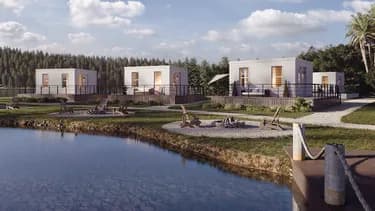
The older Canopy Camping material makes the location sound even more specific: a large Waikato farm on the edge of a bush block, surrounded by mature tōtara trees, with views down the Waipuna Valley. That mix of open farm country, native tree cover, and valley outlook is doing real work here. The site is not just the backdrop for the tiny house. It is the product.
The name Puna sharpens that connection. In Māori, it means spring or water from a source, which links directly to the springs on the property and the Waipuna Valley Stream. That is a smart piece of naming, because it turns the landscape into part of the story instead of leaving it as scenery.
The layout inside the tiny house
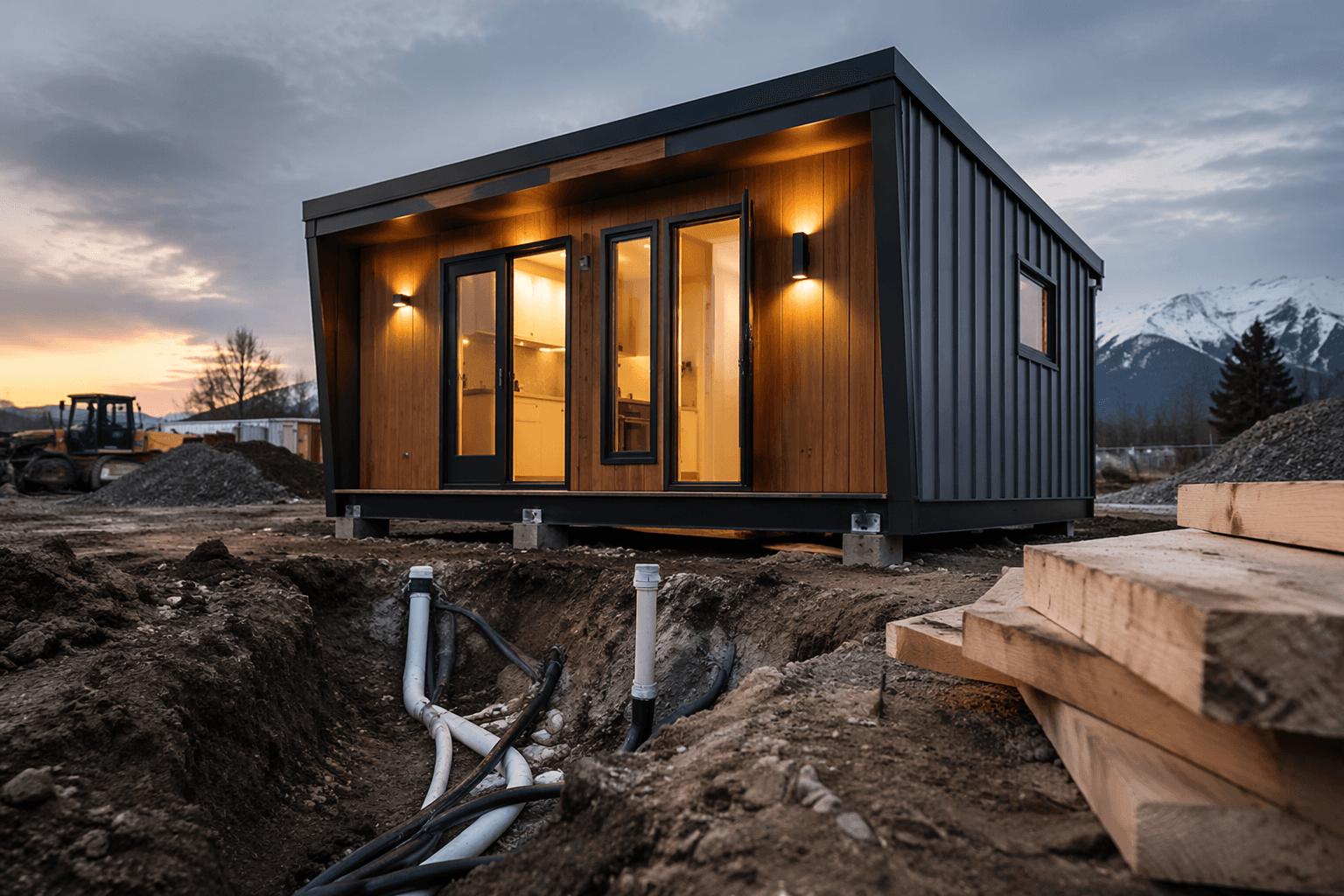
The home itself is described as a one-loft tiny house with an open-plan ground floor. Downstairs you get the lounge, kitchen, and bathroom, with a staircase that includes built-in storage and leads up to the loft bedroom. The layout is simple, but it is not bare-bones in the way many off-grid cabins are.
The accommodation is designed primarily for two, which fits the glamping brief, but the lounge can take an occasional third guest. That matters if you are trying to understand who this kind of stay is for. It is not a family bunkhouse or a crowd-pleasing group lodge. It is built around a couple’s stay, where the floor plan, storage, and circulation all support a lighter, more intimate rhythm.
Canopy Camping describes the interior as stylishly decorated, and Fi’s background in art and design is credited with shaping that look. That is an important detail because it explains why the place does not feel like a survivalist shed with a mattress in it. The design is soft enough to feel welcoming, but still practical enough to function in a compact footprint.
What off-grid actually means here
The phrase off-grid gets used loosely, but Puna is interesting because the setting and the systems appear to be in sync. The stay is self-catering, which means guests need to handle their own food and daily routine without relying on hotel-style service. That makes the small kitchen, bathroom, and living area downstairs more than decorative features. They are the core infrastructure of the experience.
The outdoor setup extends that infrastructure. Outside, there is a covered deck area with seating, a BBQ, and a lawn area, which gives the tiny house a much larger usable footprint than its interior would suggest. In a place like this, outdoor space is not a bonus. It is part of how the property works day to day.
That balance is what makes Puna feel useful as a real-world model. The home does not try to hide the realities of off-grid living. Instead, it packages them in a way that still feels comfortable and romantic, which is exactly why it lands as glamping rather than austerity.
The family story behind the build
The most compelling part of Puna is how naturally the project grew out of Fi’s family farm. According to Autoevolution, the tiny house was built by Fi and Carl on land that has been in Fi’s family for generations, and the project evolved from that agricultural legacy into a glamping escape. That is a much stronger story than a detached buy-and-place tiny home narrative, because the land itself shapes the concept.
Autoevolution also notes that Puna is fully off-grid, and that the springs on the property feed into the Waipuna Valley Stream. That detail matters because it ties the house to the water system on the land, not just the view. In tiny-house terms, that kind of alignment between site, resource, and use case is what makes the project feel complete.
The landscaping reinforces the same idea. Mature tōtara trees frame the property, and the valley view gives the stay a sense of depth that most small builds cannot manufacture. When a tiny house feels this integrated, it stops being a standalone object and starts behaving like a piece of rural hospitality.
Why this matters for the tiny-house world
Puna is a useful case study because it shows where off-grid tiny houses are heading. The strongest projects are no longer just about proving that a compact home can function with limited utilities. They are about how a small build can support tourism, diversify a family property, and tell a story that people want to step into.
Canopy Camping Escapes leans hard into that idea across its wider branding, focusing on special places with charm, magic, and a strong connection to nature. Puna fits that model neatly, but it does so with more substance than most. The farm history, the springs, the valley, the off-grid systems, and the two-person layout all reinforce one another.
That is why Puna feels more complete than a standalone tiny house. It is not just a house. It is a place-based stay where the infrastructure, the land, and the family history all point in the same direction, and that is what gives the project its lasting appeal.
This article was produced by Prism’s automated news system from verified source data, official records, and press releases, then run through automated quality and moderation checks before publishing. The system is built and supervised by the people who set the standards it runs under. Read our full AI policy.
Did this article answer your question?