Tulki Tiny Home Blends Warm Timber, Light, and Modern Design
Tulki turns a 9-meter footprint into a warm, light-filled home with timber, skylights, and generous glazing, showing which upgrades make tiny living feel bigger.
A small home that leans into luxury
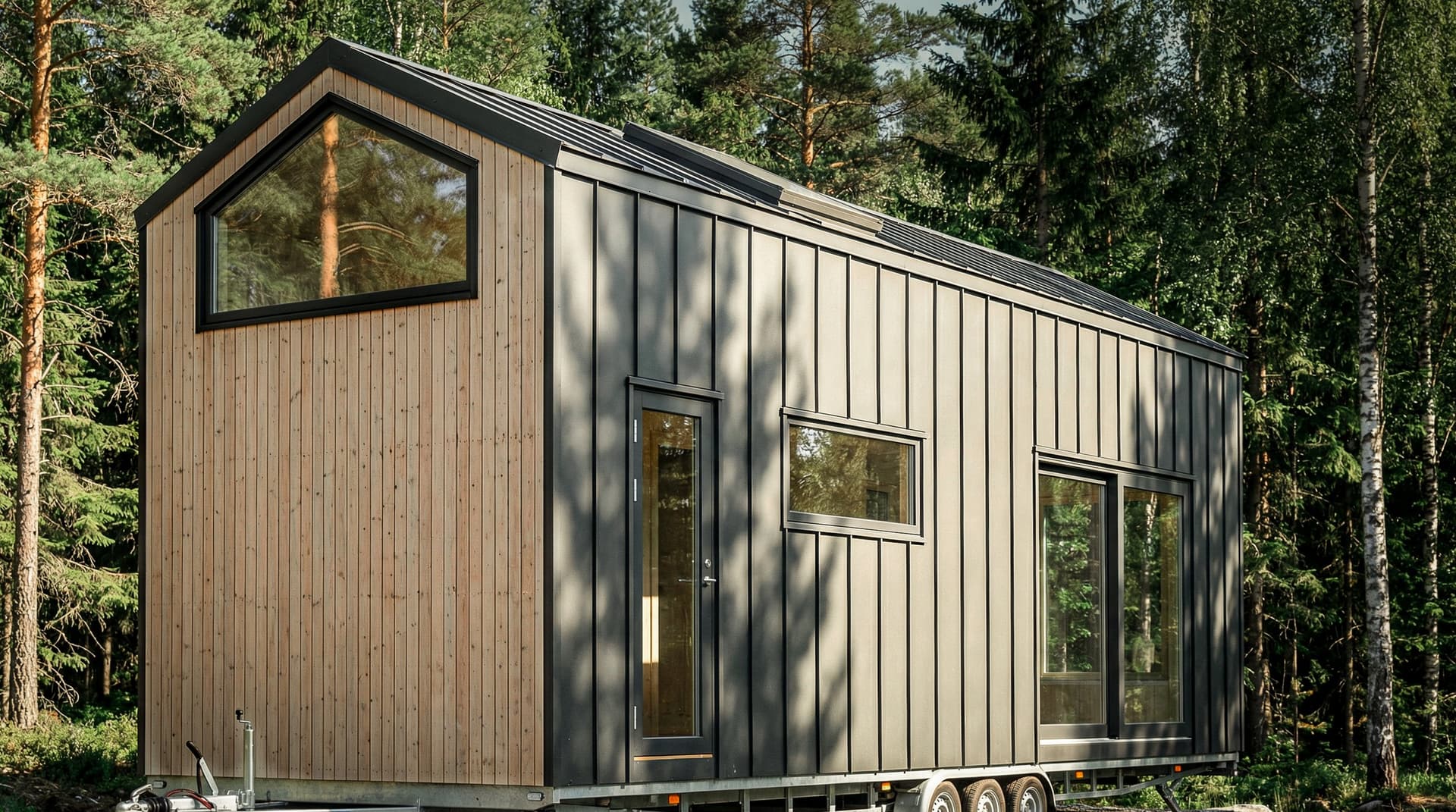
Tulki makes its case with restraint, not excess. At 9 meters by 2.5 meters, starting from $180,000 plus GST, the home uses warm timber, dark exterior tones, and generous glazing to feel calm and expensive rather than cramped. It is built on a triple-axle trailer, yet the design reads less like a weekend pod and more like a compact residence with a real sense of permanence.
That is the real story here: Tulki asks what upgrades actually make a tiny house feel expansive in nature. The answer is not just more stuff, but more light, better materials, and a layout that lets the eye and the body move easily through the space.
Why Tulki feels larger than its footprint
The home’s strongest trick is how it handles contrast. Tanglewood Tiny Homes pairs a dark exterior palette with warm timber accents, which gives Tulki a grounded, contemporary look before you even step inside. Inside, the builder uses natural wooden linings, clean lines, generous glazing, and an open layout to make the home feel light-filled and welcoming.
That matters because many entry-level tiny homes rely on bright white finishes to fake spaciousness. Tulki takes a different route. It uses material quality, daylight, and calm visual continuity to create the sense of more room, not just the appearance of it.
For anyone planning a downsized build, the lesson is clear:
- Invest in larger windows and skylights before chasing decorative extras.
- Keep the palette consistent, with timber and other natural finishes doing the heavy lifting.
- Use open circulation so the main living area does not feel chopped into fragments.
- Let the exterior be grounded and contemporary, rather than trying to imitate a full-size suburban house in miniature.
Inside the plan: practical zones with a polished finish
Tulki’s layout is small, but it is not simplistic. The plan includes a loft bedroom with skylights, a contemporary kitchen with timber cabinetry, defined living and dining zones, and a finished bathroom with laundry facilities. That mix gives the home a real daily rhythm, which is essential if a tiny house is meant to be lived in rather than visited.
The loft bedroom is especially important because skylights do more than add brightness. They reduce the sealed-in feeling that can come with sleeping lofts, and they make the upper level feel like part of the home instead of a storage afterthought. The kitchen continues the same idea with timber cabinetry that fits the wider material story instead of breaking it.
The bathroom and laundry also matter more than they might in a render. A tiny house feels premium when the utility spaces are treated with the same care as the living room. Tulki’s appeal comes from that consistency, where every corner looks considered rather than squeezed in.
The builder’s design identity is part of the point
Tulki comes from Tanglewood Tiny Homes in Northern Rivers, New South Wales, with a contact point in Chinderah. The builder says its work is inspired by simple coastal shacks with raw character and effortless style, and Tulki fits that brief without feeling rustic or unfinished.
HomeCrux reported the model at 29.5 feet long and 8.2 feet wide, and placed it alongside Tanglewood’s narlu. and warra. models. That lineup matters because it shows the company is not chasing novelty for its own sake. It is building a family of small homes that aim for design identity, livability, and a more permanent emotional feel.
Tulki also signals a shift in what buyers expect from a tiny house. This is not a stripped-back shelter with a few clever storage hacks. It is presented as a home for people who want a smaller footprint without surrendering the feeling of being properly housed.
Why this matters in the Australian tiny-home market
Tulki arrives in a market where tiny homes are no longer automatically cheap. ABC News reported in 2025 that the average tiny home in Australia costs between $150,000 and $200,000, which places Tulki squarely inside the new price reality of the category. At the same time, ABC News reported in 2023 that 41 per cent of Australian councils had approved alternative housing for permanent dwelling, a sign that tiny homes and other compact formats are edging further into the mainstream housing conversation.
Planning still remains uneven. NSW planning guidance says approval depends on how the home is built, how it is used, and where it is located, while a NSW planning circular notes that “transportable home” is a common industry term but not a defined one in relevant legislation. In practice, that means tiny-house buyers still have to think beyond design and into use, siting, and local rules.
That context makes Tulki more than a pretty release. It shows how builders are responding to a market where compact homes need to look good, live well, and fit into a messier regulatory landscape.
What to borrow from Tulki in your own downsizing plan
Tulki’s most useful ideas are the ones you can translate into a smaller build without copying the whole package.
- Prioritize daylight over decorative clutter.
- Use timber where your hands and eyes will notice it most, especially cabinetry and wall lining.
- Choose one strong exterior palette and carry it through the interior with restraint.
- Put real effort into the loft, because skylights can change how the whole home feels.
- Treat the kitchen, bathroom, and laundry as everyday rooms, not leftovers.
That is where Tulki lands most convincingly. It shows that a tiny house can feel expansive in nature when it is designed around warmth, light, and material confidence. In a category that is increasingly defined by higher prices and more serious expectations, that approach feels less like a trend and more like the next standard.
This article was produced by Prism’s automated news system from verified source data, official records, and press releases, then run through automated quality and moderation checks before publishing. The system is built and supervised by the people who set the standards it runs under. Read our full AI policy.
Did this article answer your question?