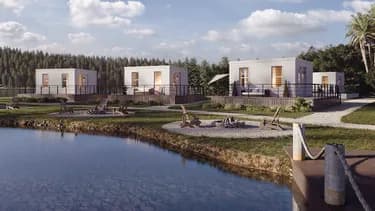
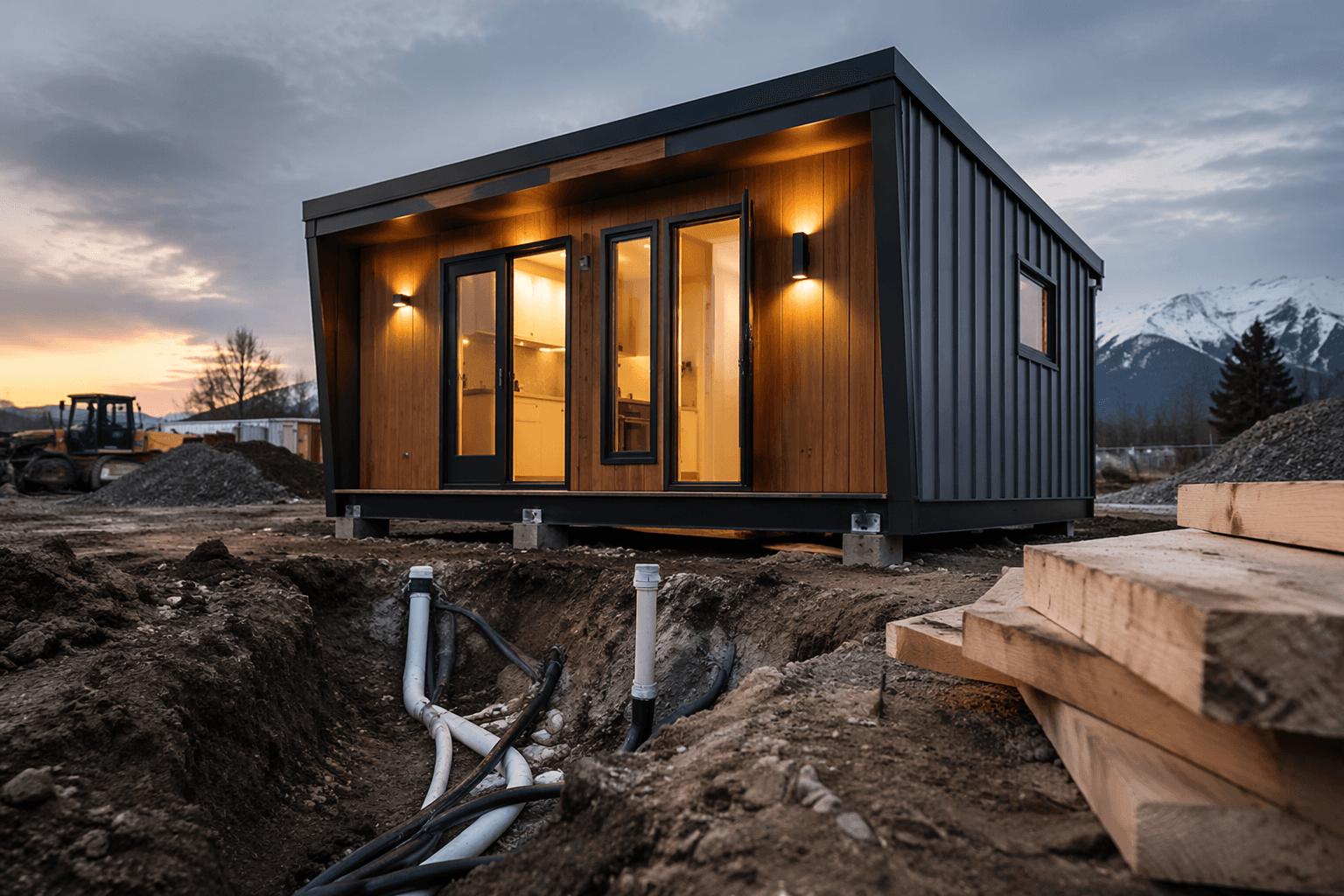
Häuslein’s Eire tiny house puts a queen bedroom on the ground floor
Häuslein’s Eire swaps the usual loft for a ground-floor queen bed, making 20 square meters feel more livable for older buyers and anyone tired of ladder living.
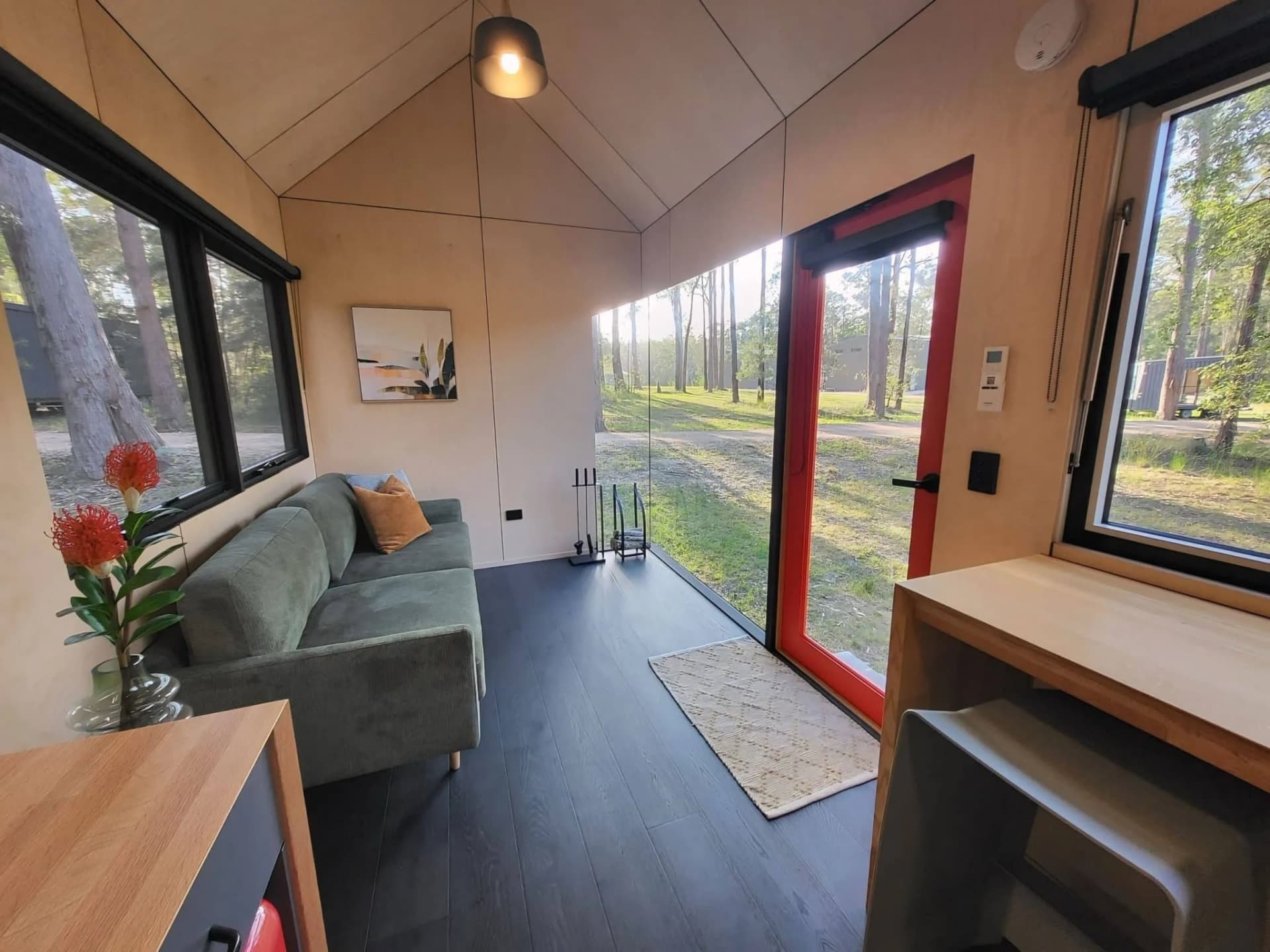
Häuslein’s Eire takes a clear position in a market that still loves its ladders and lofts: put the queen bed on the ground floor and make the whole place easier to live in. In about 215 square feet, or roughly 20 square metres, it still fits a full kitchen, a proper bathroom, and a living area without turning the plan into a gimmick. That single decision changes who can actually use the home comfortably.
Why the no-loft layout matters
The Eire is more than a compact shell with a bed moved downstairs. The floor plan gives you a true ground-floor bedroom with enough headroom to stand upright, which is a small detail that matters a lot once you have lived with loft sleeping for any length of time. No ladder means no late-night climb, no awkward carry-up of bedding, and no daily negotiation with ceiling height.
That makes the Eire especially relevant for older buyers, people with mobility concerns, and full-time residents who do not want their bed separated from the rest of the home by a climb. Tiny houses have long sold cleverness through vertical tricks, but this model argues for restraint instead. It is a better fit for anyone who wants compact living to feel normal, not like an athletic event.
What fits inside the footprint
Häuslein says the Eire sits on an 8m x 2.5m heavy-duty trailer chassis with a removable drawbar, and that it is fully transportable and road-registerable. The company lists roughly 4 tonnes empty weight, without appliances or furniture, which tells you this is a serious build rather than a featherweight weekend toy. It also gives about 20 square metres of living space, so every inch has to earn its keep.
Inside that footprint, the Eire still manages to include a queen bedroom, kitchen, living room, and bathroom. Tiny House Talk described the interior as pairing charcoal steel and whitewashed birch with a layout that feels clean and contemporary instead of rustic or improvised. That styling choice supports the whole premise: the home is trying to look and live like a small modern residence, not a loft experiment dressed up as one.
The tradeoff you make for ground-floor comfort
The no-loft decision gives the Eire its biggest strength, but it also defines its limits. Once the bedroom comes down to floor level, you are giving up the vertical bonus that loft homes use for storage, sleeping overflow, or extra circulation below. In a house this size, that usually means fewer tucked-away storage tricks and less room for a larger lounge.
The compromise is visible in how tightly the plan has to work. A queen bedroom, proper bathroom, and hard-working kitchen all share the same compact envelope, so the living area cannot sprawl. That is the real price of the Eire’s accessibility-friendly layout: you gain easier access and a more conventional sleep setup, but you do not get the airy, split-level feel that some lofted tiny homes use to stretch their sense of space.
Who this model actually serves
Häuslein says the first Eire layout was primarily designed for guest accommodation, and that a possible second layout for long-term living could be developed if customer interest is strong enough. That matters because it frames the home as a short-term stay option first, not a permanent house pretending to be one. New Atlas also described it as mainly a vacation home, guesthouse, or Airbnb rental rather than a full-time residence.
Even so, the design choices point straight at a broader audience. Single-level living is exactly what makes the home useful for older owners or anyone planning to age in place, and The Conversation has noted that loft-heavy tiny houses often fall short for older adults. The Eire does the opposite by making the bedroom simple to reach and easy to use, which broadens the appeal beyond the usual tiny-house demographic.
Construction details that reinforce the premium feel
The Eire is not trying to win on budget. Häuslein specifies premium Australian-made steel frames, birch plywood interior lining, American oak benchtops, AL-KO axles, and a 900mm x 900mm shower, all of which push it toward a more finished, higher-end category. New Atlas added that it rides on a triple-axle trailer, which fits the impression of a robust, road-ready build.
The exterior presentation is part of the same pitch. Painted timber and corrugated steel give it a crisp, contemporary look, and the name itself nods to designer Scott’s Irish roots. That backstory is small but useful, because it shows the Eire is not just a specification sheet with a bed on the floor. It is a deliberate design statement about what tiny living can look like when the builder stops defaulting to lofts.
Price and position in the market
A later listing put the introductory price at AUD $135,080 including GST, or roughly USD $90,100. That places the Eire firmly in the serious-money part of the tiny-house market, where buyers are usually shopping for finish quality, transportability, and a layout they can actually live with, not just photograph. The price also makes the accessibility angle more important, because at this level buyers expect the plan to solve real day-to-day problems.
Häuslein’s own model page says the Eire is no longer available to order, which gives the design a short, defined run. That does not make the layout less relevant. If anything, it sharpens the lesson: a single-level tiny house with a queen bedroom on the main floor is not a novelty, it is a response to a real gap in the market.
The Eire’s biggest move is also its simplest one. By putting the queen bedroom on the ground floor, Häuslein gave up some of the vertical storage games and loft volume that tiny houses lean on, but it bought something more valuable for the right buyer: a compact home that does not ask you to climb into it.
This article was produced by Prism’s automated news system from verified source data, official records, and press releases, then run through automated quality and moderation checks before publishing. The system is built and supervised by the people who set the standards it runs under. Read our full AI policy.
Did this article answer your question?