LA Tiny Homes NGO Scam: Paid $675K/Month for Empty Units Amid Crime
LA's nonprofit-run tiny home villages collect up to $150 per empty unit per night, totaling $675K monthly, while a federal judge calls the billing "obvious fraud" and crime incidents pile up.
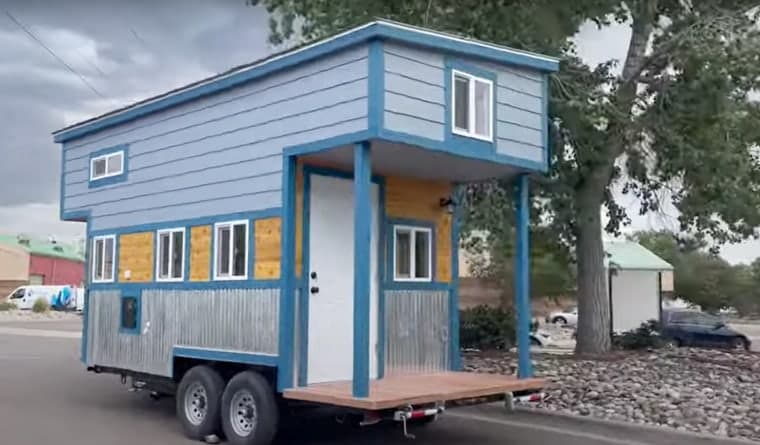
Los Angeles has been paying nonprofit operators up to $150 per night for each tiny home unit in its homeless housing program, including units that stood empty, generating $675,000 every month in taxpayer-funded payouts while neighbors watched the sites fill with drug dealers, overdoses, and, in some cases, dead bodies.
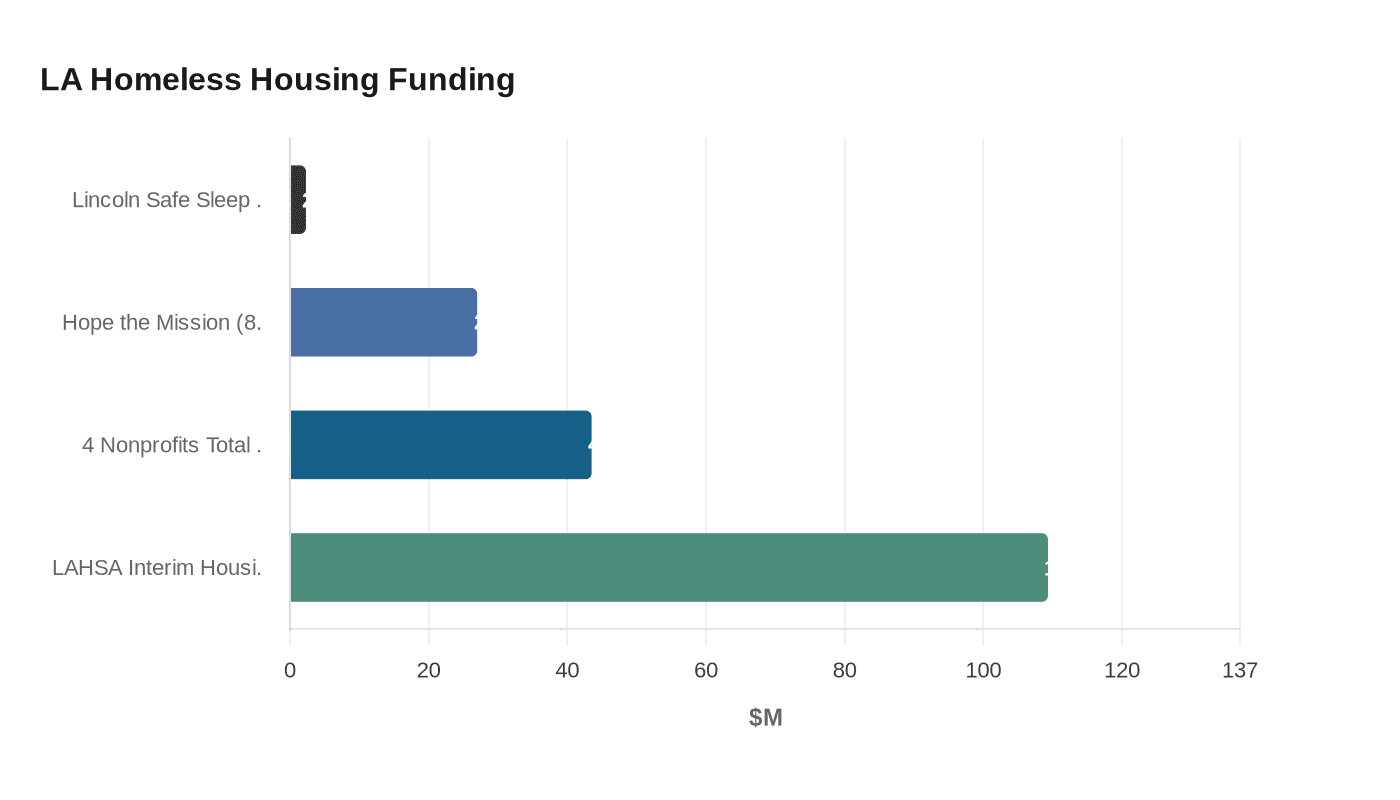
The Lincoln Safe Sleep Village in South LA, run by Urban Alchemy, was contracted to house up to 88 unhoused residents and received $2.3 million for the fiscal year. But when LAHSA Commissioner Justin Szlasa visited the site in May 2025, he found half of it closed. During a subsequent inspection in June, court-appointed special master Michele Martinez found gray tents pitched on only one of the two lots, while the other had 44 bare wooden platforms with no tents at all. U.S. District Judge David O. Carter called the situation "obvious fraud" and sharply questioned city attorneys at a November court hearing for failing to verify whether the reported capacity matched reality.
In April 2025, LAHSA commissioners approved $43.5 million for four nonprofits running 12 tiny home villages in the 2025-26 fiscal year. More than half, $27 million, went to Hope the Mission alone, which operates eight villages across LA. That means nearly 40% of the $109.3 million allocated for LAHSA's interim housing program flowed directly to tiny home operations.

The top issues logged by tiny home village employees included drug and alcohol use, residents ejected for policy violations, threats, and assaults against both residents and staff. In 2024 at the Arroyo Seco village in Highland Park, an employee was allegedly selling drugs to residents. A former staff member at the Alexandria Park village in North Hollywood alleged that another employee overdosed in a resident's apartment during late 2023 or early 2024. LAPD records show that roughly 20% of calls for service at two of the three North Hollywood tiny home villages involved suspected overdoses or suicide attempts.
Szlasa filed a public records request with LAHSA in September 2025 to obtain contract and payment details for the Urban Alchemy site but had not received a full response, and his repeated requests to put an evaluation of the contract on the LAHSA Commission's agenda went unanswered.
In a separate case, federal prosecutors charged a charity operator with a $23 million homeless housing scam, alleging that despite contracts requiring three healthy meals a day for more than 600 people, residents at his sites were sometimes fed only ramen noodles, canned beans, and breakfast bars. Prosecutors say he submitted fake invoices using the names, logos, and addresses of real companies to make the payments appear legitimate.
The pattern across these investigations is consistent: contracts structured around per-unit nightly rates, weak verification of actual occupancy, and no real mechanism for LAHSA to claw back payments when beds go unused. For a program built around the urgent moral argument that every unhoused person deserves a door that locks, collecting $675,000 a month for units that sat dark is a particularly costly failure of accountability.
Know something we missed? Have a correction or additional information?
Submit a Tip