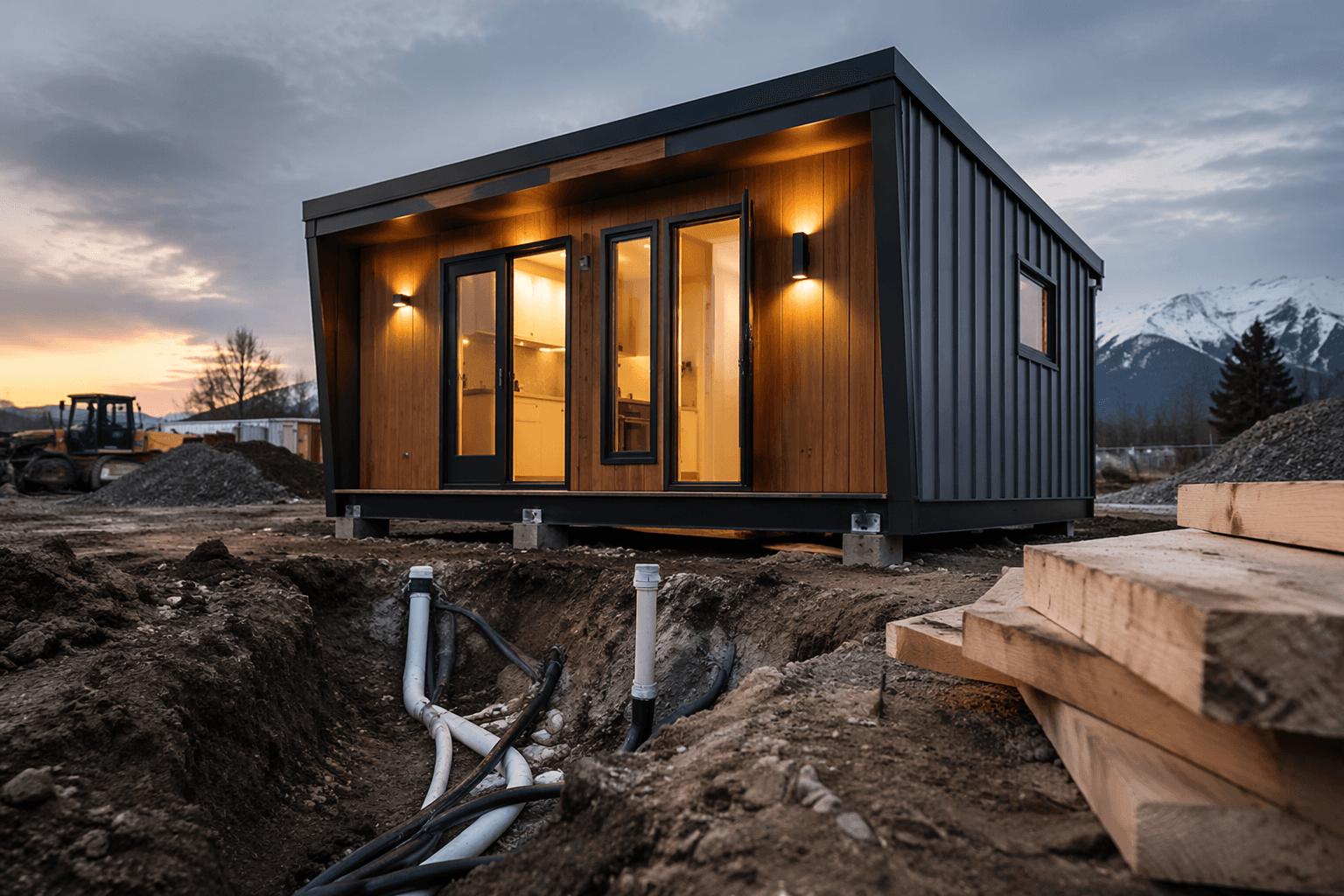
Lena tiny home packs rustic comfort into a 24-foot road-ready design
Lena fits a 24-foot frame with a full kitchen, loft, and mini-split, then backs it up with RV-title mobility and a $55,000 ask.
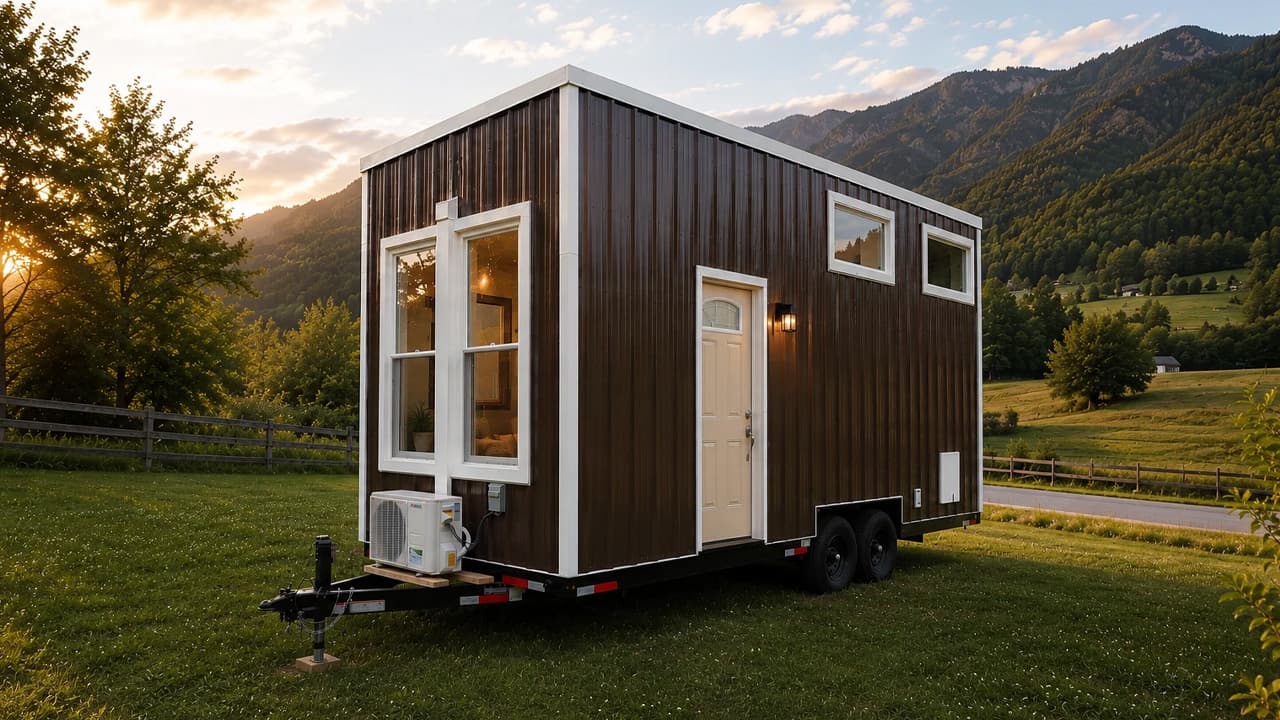
The Lena does something a lot of tiny houses promise and fewer actually pull off: it keeps the footprint road-friendly without stripping out the comforts that make daily living feel normal. On a heavy-duty dual-axle trailer chassis, the 24-foot home packs a 280-square-foot layout, a real kitchen, a full bath, and a sleeping loft into a shell that still looks practical enough to move often. That makes it less of a fantasy cabin and more of a workable rig for someone who wants to live light without giving up the basics.
A compact build that still reads as a home
What stands out first is how unflashy the Lena is in the right way. Homecrux describes the exterior as baked-enamel steel siding in deep bronze-brown tones, a finish chosen to handle sun, snow, and wind without demanding constant upkeep. Inside, the palette shifts to white shiplap, dark-stained wood trim, and durable vinyl plank flooring, which gives the home a rustic farmhouse feel without turning it into a delicate display piece.
That balance matters because tiny-house buyers usually end up choosing between charm and durability. The Lena leans into both, but it clearly favors materials you can live with every day. Baked-enamel steel and vinyl plank are the kinds of decisions that make sense if you expect the home to move, sit through changing seasons, and take real wear from boots, pets, and wet weather.
A floor plan built for actual routines
The layout follows a classic tiny-house formula, but it uses it efficiently. The living area sits at the front, the kitchen occupies the center, the bathroom is tucked at the rear, and the loft spans above the main floor. That arrangement gives the main level a straightforward flow, which is exactly what you want when every step has to count.
The kitchen is more than a token galley. It includes butcher-block countertops, a glass backsplash, a stainless sink, an oven, a built-in microwave, and a refrigerator, so it covers the appliances and work space you need for full-time use. The loft is reached by a storage-integrated staircase, which is one of the smarter touches in the whole build because the stairs do double duty instead of eating floor space without giving anything back.
Climate control is handled by insulation and a mini-split heat pump, which pushes the Lena past the “cute shell” category and into true four-season territory. If you are going to move a tiny home often, that matters as much as the interior finish. A pretty layout is one thing; a home that stays comfortable when weather shifts is what makes road life sustainable.
Why the listing details matter
The Lena is not just a concept piece. Homecrux ties it to Tiny House Listings and cites a $55,000 ask, which puts a concrete price on the idea of a move-ready, finished tiny home. Other marketplace listings for the same model help fill in the picture: one sold unit in Mount Wolf, Pennsylvania was marked sold at $93,500 and described as a 270-square-foot mobile tiny house with one bedroom.
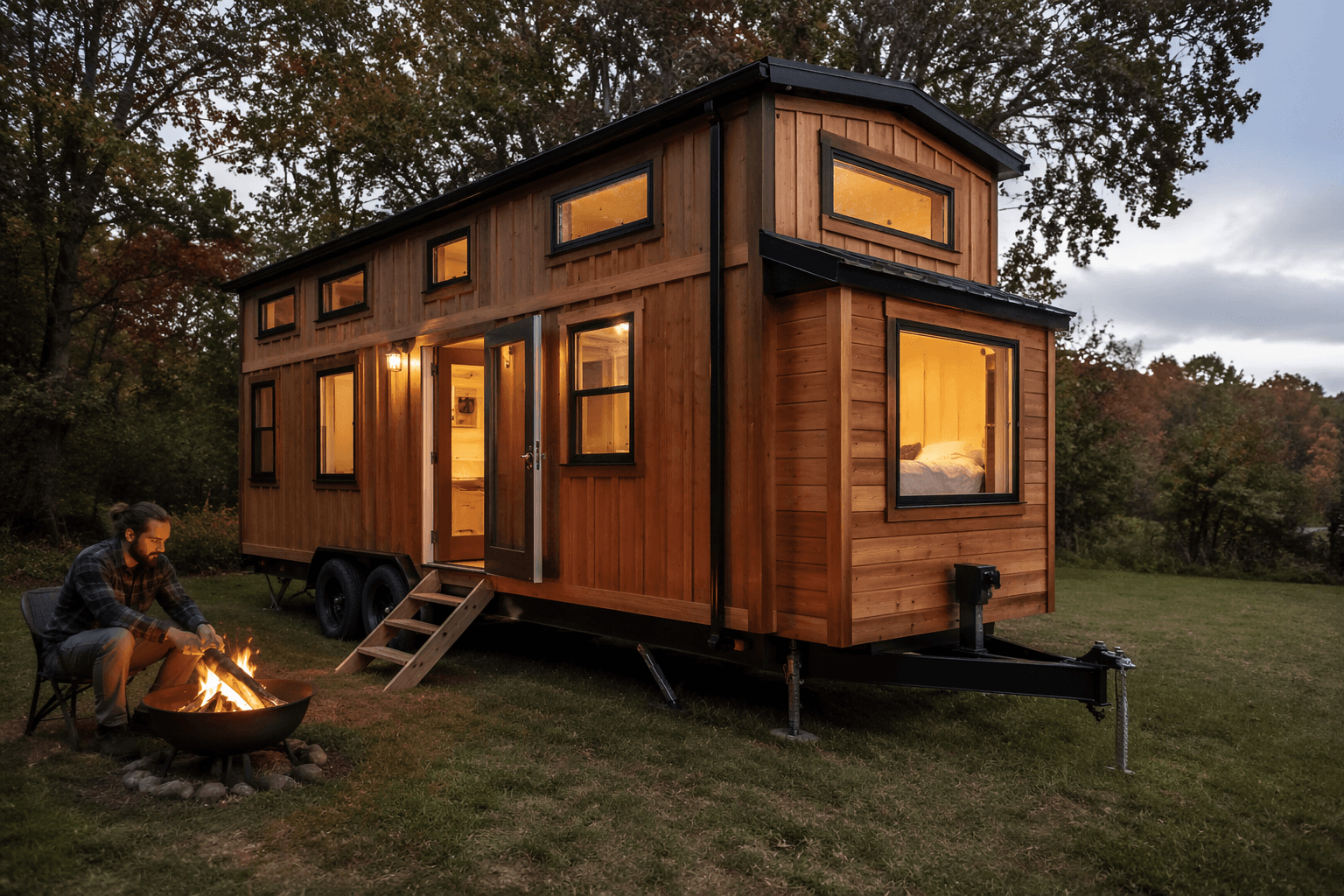
Another listing from Tiny Home Match describes The Lena as a brand new 24 x 8.5 foot tiny home in Glenville, Pennsylvania with an RV title and NOAH Certification. That combination is the kind of paperwork buyers in this space actually care about, because RV title status and NOAH certification can make a difference when you are trying to sort out safety, financing, insurance, and where the home can legally sit. Tiny House Builders also lists THE LENA as a 24 ft. by 8.5 ft. custom floor plan built in 2023 with 270 square feet, which reinforces that this is a repeatable model, not a one-off build.
There is also a later Tiny House Exchange listing describing The Lena Model in Pennsylvania as a new $70,000 offering, and a Nomad Adjacent listing in York, Pennsylvania priced at $75,000 with a price history of September 27, 2024. Taken together, those listings show a range that moves with condition, timing, and market. In other words, Lena is the kind of tiny home that shows up in the market as an actual product, not just an aspirational idea.
Where Lena fits in the market right now
A 2025 market summary estimated that tiny homes made up about 0.36% of U.S. residential listings, with an average size of about 225 square feet. Lena’s 280-square-foot footprint sits above that average, but it still lands well within the tiny-home category. That extra space helps explain why the layout feels livable rather than cramped, especially once you account for the kitchen, the bath, and the loft.
Pennsylvania is also a useful backdrop here. Industry guidance says tiny-home legality in the state often comes down to local zoning rather than one statewide rule, and Pennsylvania has adopted the 2018 International Building Code framework while leaving many practical decisions to local jurisdictions. That means the Lena’s mobility is a real asset, but it is not a magic wand. You still have to find a place where the home can legally sit as a primary residence, an accessory dwelling unit, or an RV-style dwelling, depending on the local setup.
A realistic tradeoff, not a showroom stunt
That is what makes the Lena interesting. It is not trying to wow you with novelty for novelty’s sake. It gives you the road-ready basics, an RV title in at least one listing, NOAH certification, durable exterior materials, and enough storage to keep the interior from collapsing under its own usefulness. At the same time, it asks you to accept the real-life limitations of tiny living, especially the zoning and parking puzzle that comes with a movable home.
If you want a tiny house that can move, hold up, and still feel like a place you can live in every day, Lena makes a credible case. The 24-foot frame, the 280-square-foot plan, and the practical finish choices all point in the same direction: this is a tiny home built for actual miles, not just pretty photos.
This article was produced by Prism’s automated news system from verified source data, official records, and press releases, then run through automated quality and moderation checks before publishing. The system is built and supervised by the people who set the standards it runs under. Read our full AI policy.
Did this article answer your question?