Marietta Nonprofit Plans 15-Unit Tiny Home Village for Homeless Students
Glory Haus founder Molly Holm is leading a $3.2 million, 15-unit tiny home village in Marietta to house families of homeless students, with a summer 2026 groundbreaking target.

Glory Haus founder Molly Holm is building a coalition of Marietta nonprofits around a $3.2 million tiny home village designed to keep homeless students in school while their families find a path to permanent housing.
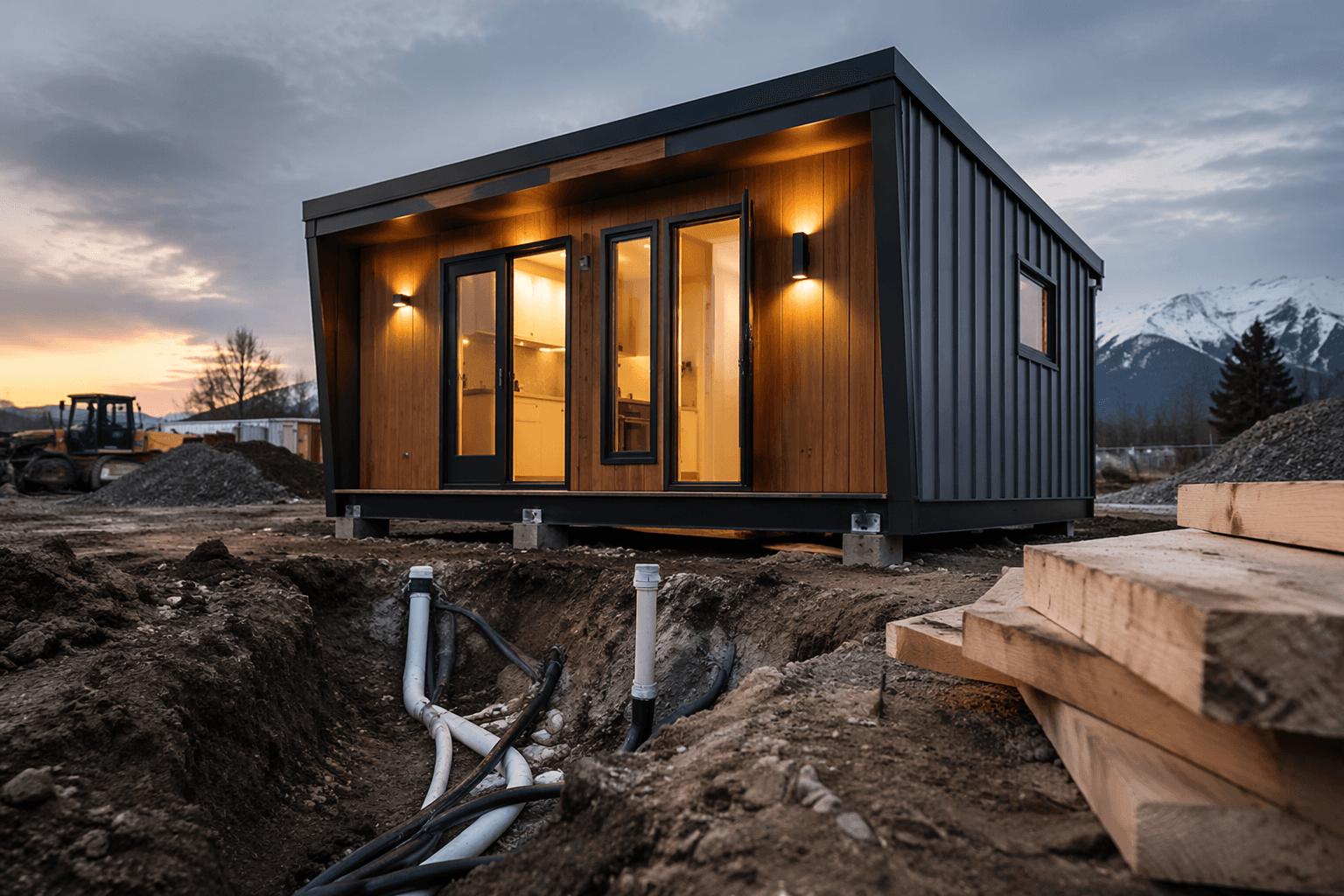
The project, called Emmanuel's Village, calls for 15 tiny homes on a parcel directly behind Glory Haus on Cobb Parkway. Each unit runs 24 to 32 feet and includes two lofts, a full bathroom, a galley kitchen, and an in-unit washer/dryer. The site plan layers in a shared community center, playground, and community garden, framing the development as a functional neighborhood rather than an emergency shelter.
Holm is partnering with MUST Ministries and Family Promise of Cobb County on the development and services side. Marietta City Schools will handle household referrals through the federal McKinney-Vento process, the law guaranteeing homeless students continued enrollment at their school of origin. That division of labor is central to how Emmanuel's Village positions itself: the district identifies qualifying families, the nonprofits deliver the housing and wraparound supports. Stays are capped at 12 to 18 months, during which residents receive case management and help securing longer-term housing, an explicit move-through model rather than indefinite placement.
The funding picture is partially assembled. Organizers have raised roughly $1 million independently and are pursuing a $2 million application through a statewide homelessness grant pool that Governor Brian Kemp created, a $50 million program aimed at projects like this one. That still leaves a gap to close before the $3.2 million total is in hand. Utility hookups and site development are among the largest cost drivers, the kind of infrastructure line items that can stall infill tiny home projects even when land is secured and community backing is strong.
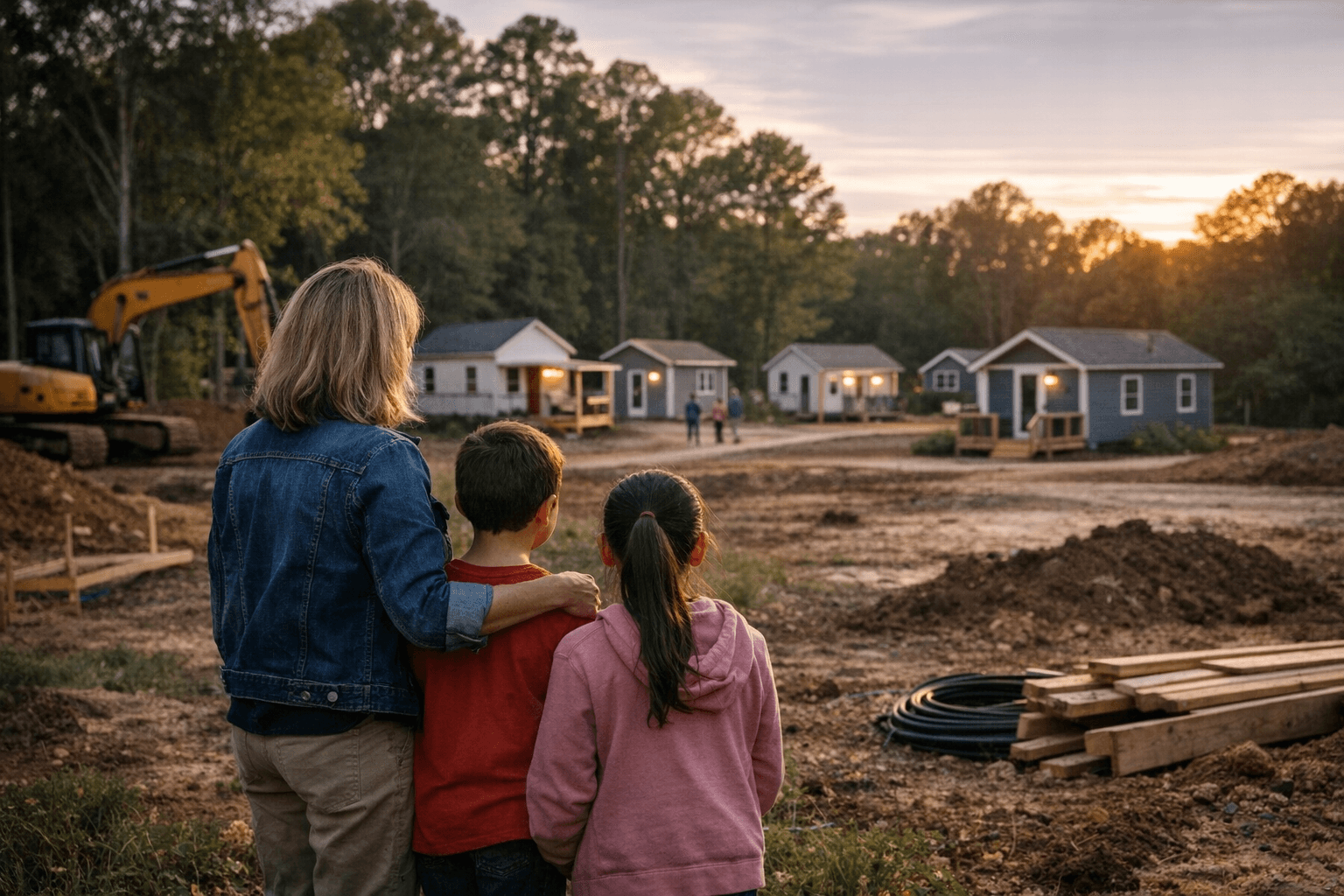
If the grant lands and permitting stays on schedule, organizers are targeting a summer 2026 groundbreaking, with homes potentially ready within a year of construction starting. The land is already identified, early fundraising is in place, and the referral partnership with Marietta City Schools gives the project an institutional spine that most grassroots tiny home efforts lack.
The next few months will determine whether Emmanuel's Village moves from plan to construction: the outcome of the state grant application, final permitting clearance, and Marietta City Schools' readiness to operationalize McKinney-Vento referrals all have to align. If they do, the Cobb Parkway site could offer a replicable template for school districts elsewhere that want to pair student stability with direct family housing intervention.
This article was produced by Prism’s automated news system from verified source data, official records, and press releases, then run through automated quality and moderation checks before publishing. The system is built and supervised by the people who set the standards it runs under. Read our full AI policy.
Did this article answer your question?