Millionaire builds 99 tiny homes in Canada for homeless residents
Marcel LeBrun’s 99-home village in Fredericton tested whether tiny houses could scale into stable housing, not just a viral charity build.

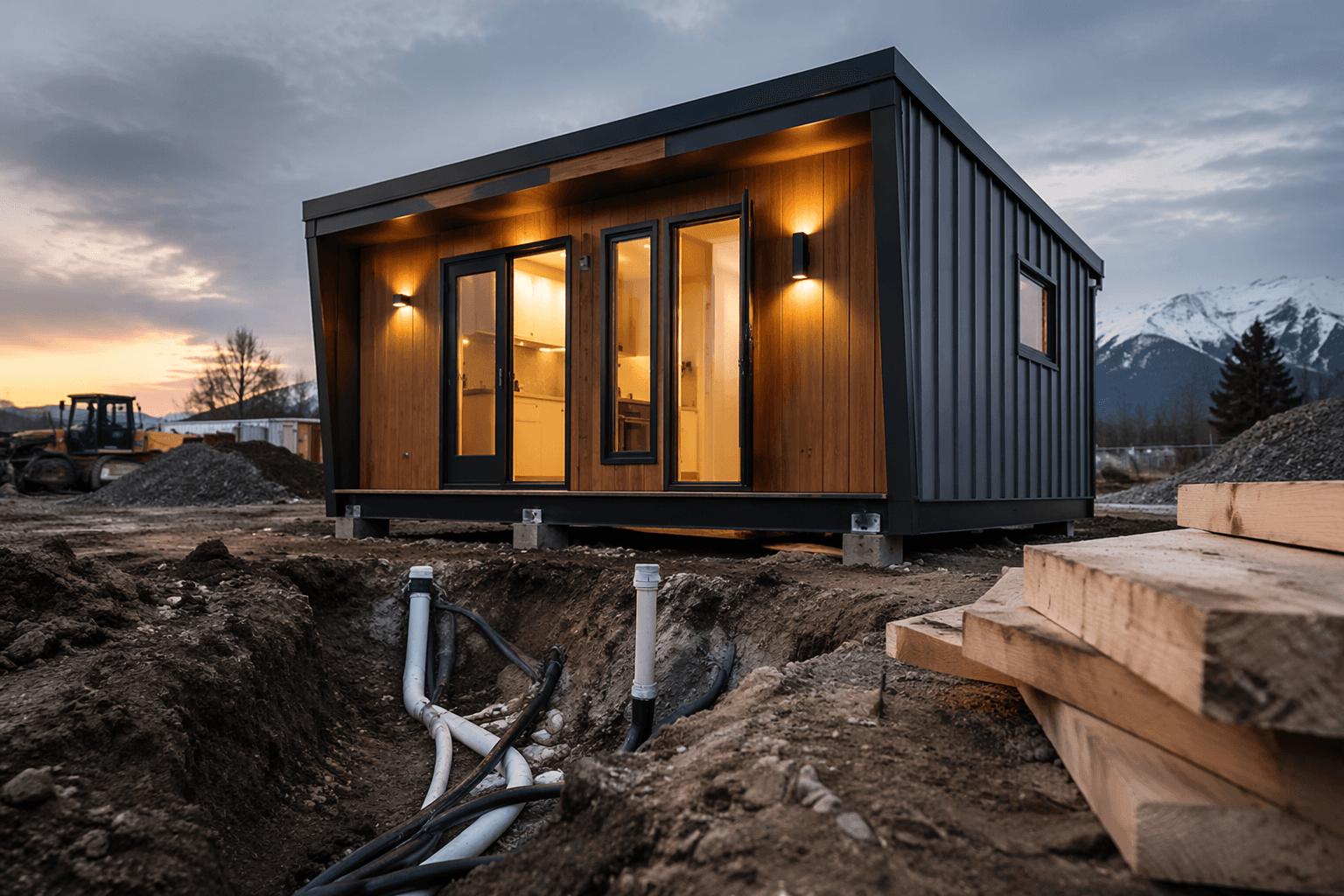
Marcel LeBrun’s 99-home tiny-house village in Fredericton, New Brunswick, was built to answer a blunt question inside the tiny-house world: when does a village become housing, and when is it just a good-looking experiment? At 12 Neighbourly Way, 12 Neighbours turned that question into a working address, with fully equipped rental homes meant for people experiencing homelessness.
The mechanics matter as much as the homes themselves. 12 Neighbours said the units were subsidized by Social Development, and referrals came from the New Brunswick Housing waitlist and Fredericton’s coordinated access By-Name List, not from an internal queue. That setup made the project look less like a private enclave and more like a piece of the city’s housing system, tied to public intake and public support rather than whatever list the operator chose to keep.
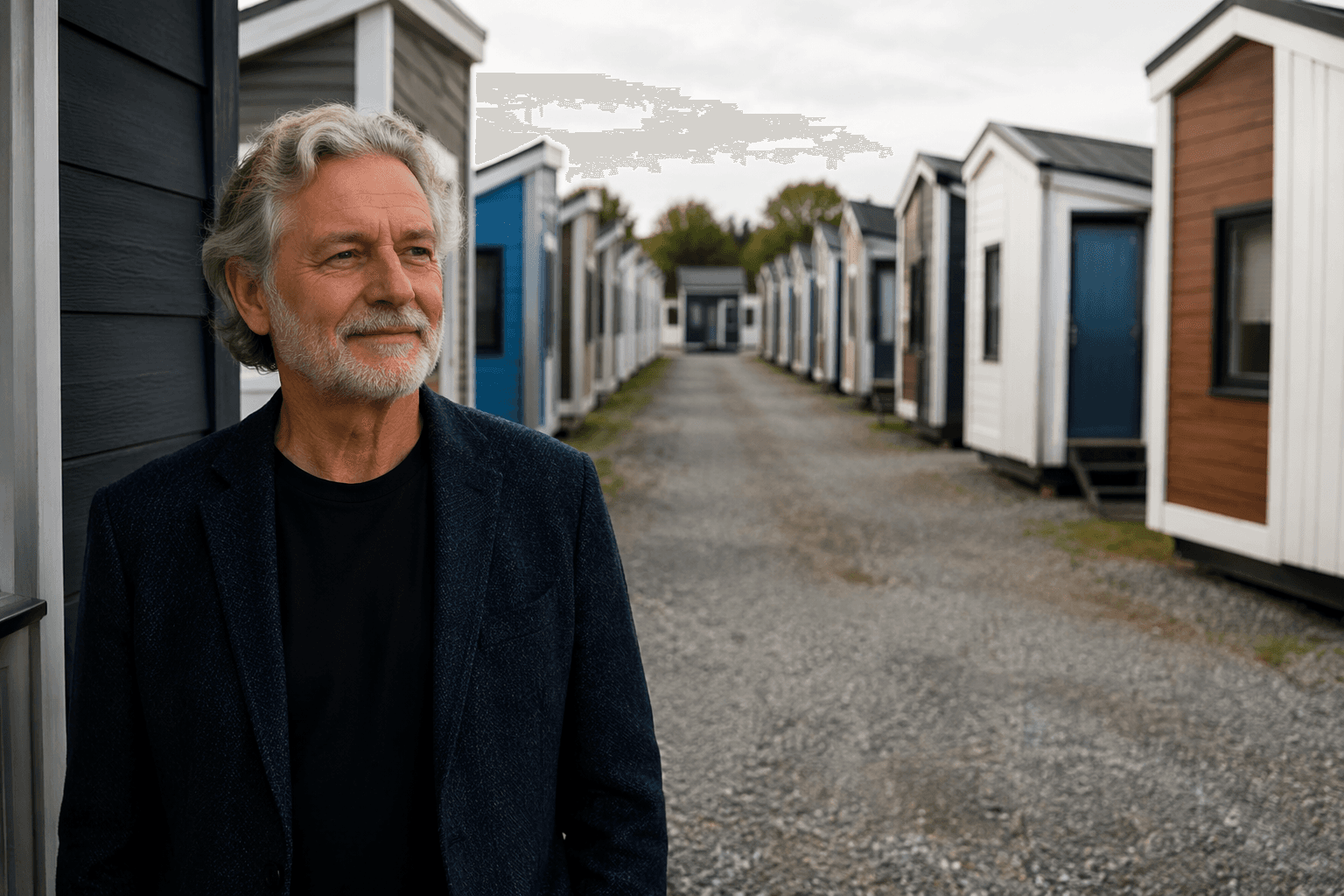
LeBrun, a New Brunswick tech entrepreneur and the former co-founder and CEO of Radian6, had already cashed out when Salesforce bought the company in 2011. He put that wealth into 12 Neighbours, which had been planned from the start as a 99-home development. CBC reported that by September 2022 the community already had 22 homes, plus a café and laundry foundation underway, an early sign that the site was meant to do more than stack tiny houses on a lot. By early 2023, the community had grown to 44 units and 45 members. In spring 2024, the final home installed at that stage was number 96.
The funding and policy backdrop showed why durability is the hard part. New Brunswick Social Development announced a $1.4 million forgivable loan for the project in 2021 through the Canada-New Brunswick Housing Strategy. At the same time, the Human Development Council’s 2024 point-in-time count recorded 181 people experiencing homelessness in Fredericton on Nov. 20, 2024, a reminder that demand was not going away because one development was getting built. In 2024, the project also sought a court exemption from standard New Brunswick landlord-tenant rules, a sign that tiny-home housing still had to fight for a regulatory fit.
The outcome so far has been measured in people staying housed. 12 Neighbours’ 2025 donor impact report said it welcomed 28 new individuals in 2025 and that 80 percent of residents had achieved housing stability and were actively working on their Path to Independence. LeBrun has framed the project as more than shelter, pointing to employment, counselling, education, health, and recovery support as part of that path. That is the real test at 12 Neighbourly Way: not whether the homes photograph well, but whether the village can keep people inside it once the novelty wears off.
This article was produced by Prism’s automated news system from verified source data, official records, and press releases, then run through automated quality and moderation checks before publishing. The system is built and supervised by the people who set the standards it runs under. Read our full AI policy.
Did this article answer your question?