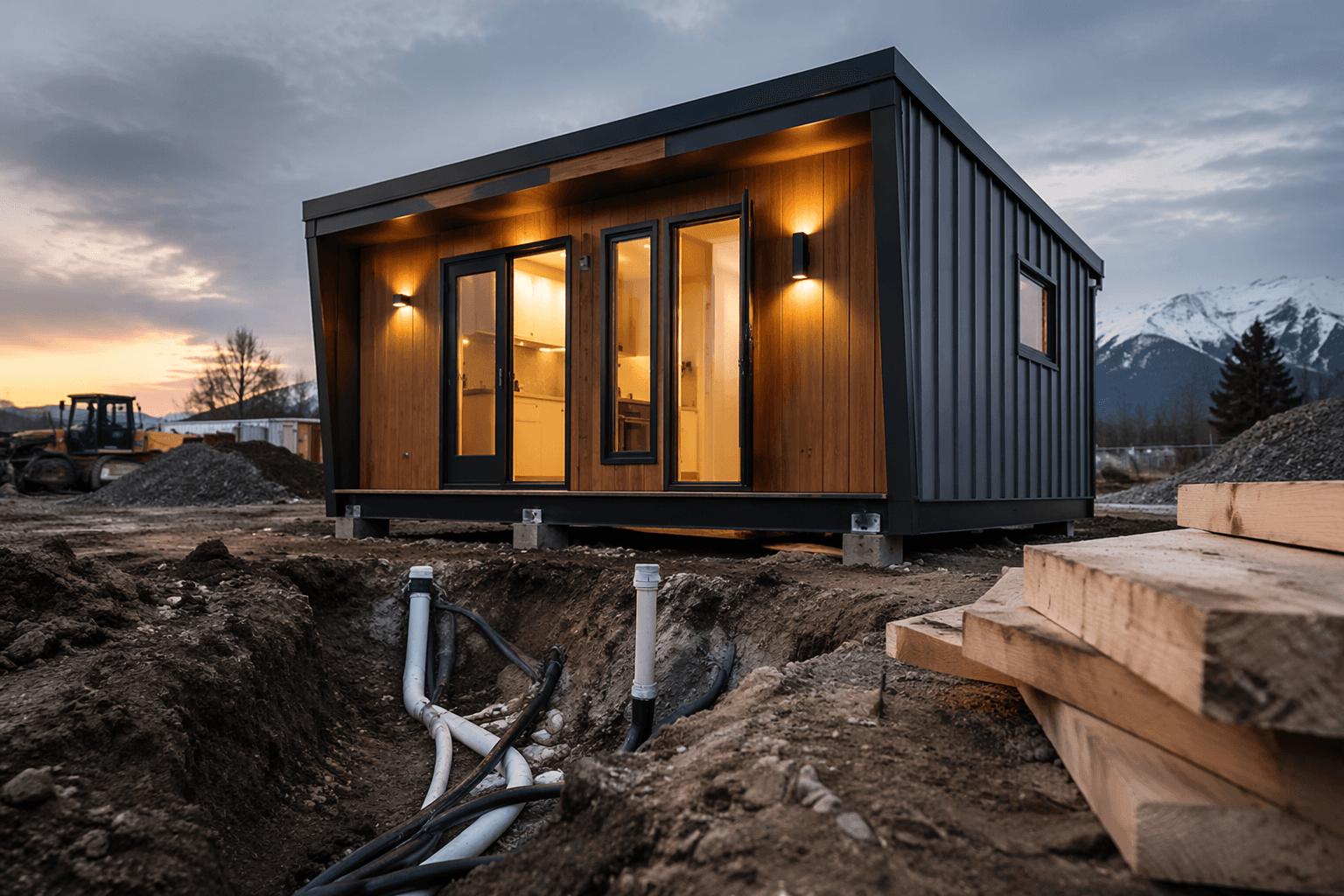
Mobi Nature tiny house uses giant windows to feel surprisingly spacious
Mobi Nature turns a 23.6-foot footprint into an airy, apartment-like tiny home with giant windows, two lofts, and room for up to six.
Airy by design
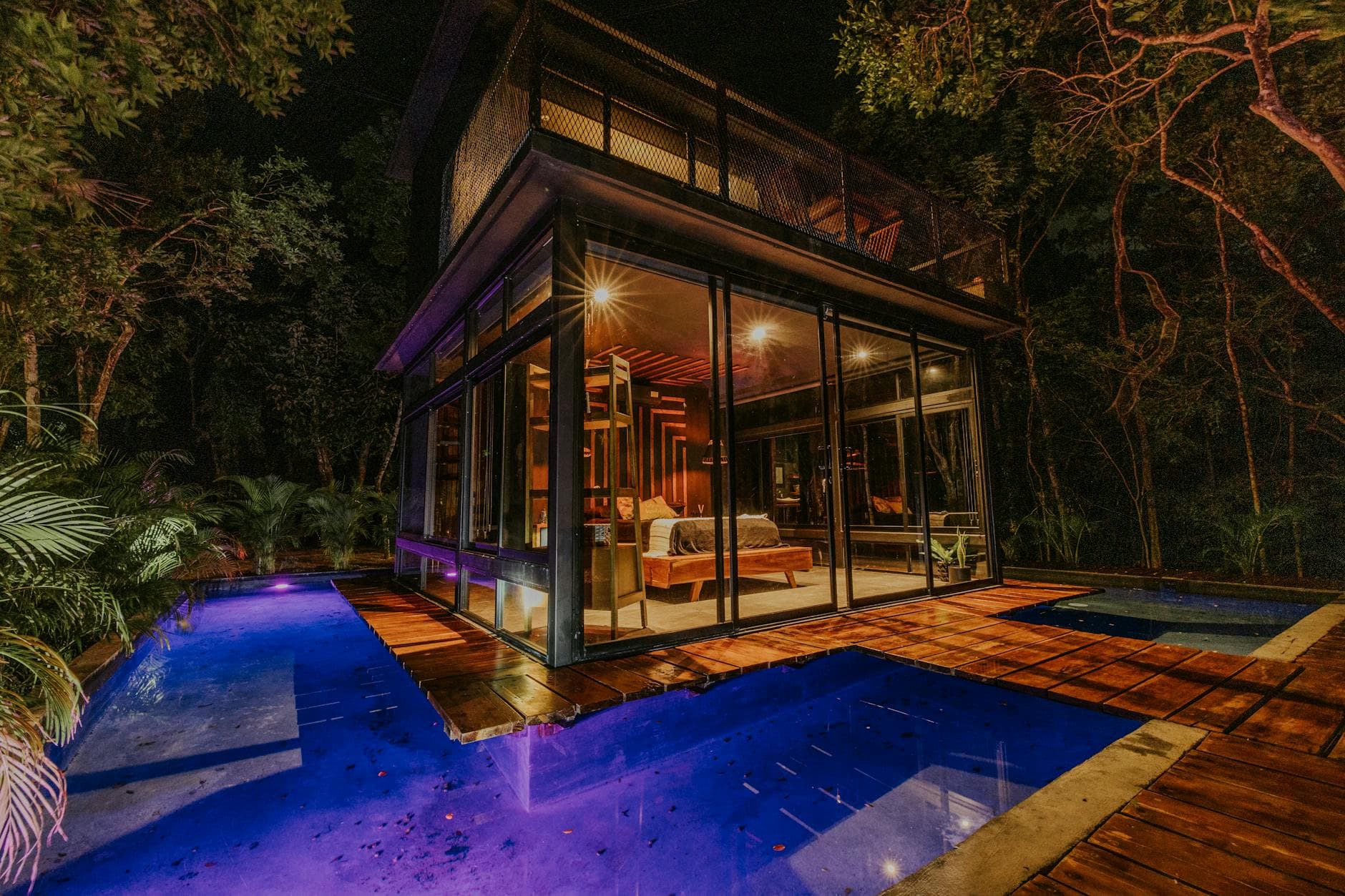
Mobi House’s MOBI NATURE takes aim at one of tiny living’s most familiar frustrations: the boxed-in feeling that comes with a narrow shell and too few openings. Instead of leaning into the cramped look, the Polish builder built this model around giant glazing and a light-filled interior that visually stretches the living space far beyond its measured footprint. That approach is the whole point of the home’s appeal. It is not trying to look grand on paper; it is trying to feel open once you step inside.
The clearest example sits in the living room, where large picture windows surround the main seating area beneath the netted loft. Those openings pull the outdoors into the cabin and flood the interior with natural light, which does more than brighten the room. In a tiny house, daylight and sightlines do real spatial work, and MOBI NATURE uses both to soften the boundaries of a compact shell.
A compact layout that behaves like a small apartment
MOBI House presents MOBI NATURE as a solution for compact yet comfortable living or leisure use, and the layout backs that up. The model can accommodate up to six people, which is unusual for a house this size and immediately changes how it can be used. Instead of reading as a one-person retreat, it lands closer to a small vacation apartment that can flex for a couple, a family, or guests.
The arrangement is straightforward but smart: a loft bedroom, kitchen, bathroom, living room, and a second loft with a special net flooring. That second loft matters because it gives the house a second distinct zone instead of forcing all circulation into one sleeping loft and one main room. Mobi House says the setup includes two mezzanines in some realizations, one for sleeping and one for relaxation, and that split makes the interior feel layered rather than stacked.
That layering is what gives the home its apartment-like feel. A normal tiny home often asks the main floor to do everything at once, but MOBI NATURE creates separate places for resting, lounging, and sleeping. The result is a compact interior that can handle daily life, short stays, or rental use without collapsing into a single multipurpose box.
The numbers behind the footprint
The official configuration keeps the house firmly in tiny-house territory. Mobi House lists the model at 7.2 meters long, 2.5 meters wide, and 4 meters high, with 20.18 square meters of area plus the mezzanine with a relaxation net. It sits on an MH Trailers TH 720, THM 720, or LIFT&GO 720 trailer, which ties the model to the trailer-based mobility that many tiny-house buyers expect.
The builder also says the unit weighs over 3.5 tons and is an on-grid version. Those details matter because they shape how the house functions in real use, from siting to utilities to transport planning. The weight and trailer options place it in the practical, buildable range for buyers who want a mobile home that still feels finished and substantial.
Mobi House classifies MOBI NATURE within its STANDARD LINE, and that helps explain the model’s position in the catalog. It is aimed at investors, people seeking their own place to live, and people who value relaxation in nature. That combination gives the house a wider audience than a niche weekend cabin, especially for buyers who want something that can serve private use and rental income.
What the realized builds show in practice
The company’s realization pages make the design language even clearer. MOBI NATURE (ESTRAGON) is described as year-round and characterized by a cubic shape and large windows, which reinforces the idea that the model is built for everyday comfort, not just seasonal novelty. The emphasis on the cubic form is useful because it suggests a clean, efficient structure that supports the open interior rather than fighting against it.
MOBI NATURE (VIOLET) pushes the same idea a little further. In that realization, Mobi House says the home uses an 8.4-meter trailer and features a large number of windows to optically enlarge the interior. It also uses two mezzanines, one bedroom and one relaxation area with a mesh floor, and the builder describes the mesh floor as a novelty.
That detail is easy to overlook, but it is one of the most useful cues in the whole model. The mesh floor keeps the upper level visually porous, so the interior does not feel chopped into hard layers. In a tiny house, anything that preserves openness between levels can make a compact structure feel much more generous.
Why this model matters to tiny-house buyers
MOBI NATURE is not being sold as a luxury showpiece or a deep-tech experiment. Its value is more practical than that: it shows how glazing, light, and flexible zoning can make a small footprint feel less cramped. The model’s strength is that it solves a real lived-experience problem without inflating the build into something that loses tiny-house character.
That is where the story lands for builders and buyers alike. A house this size does not become spacious by accident; it becomes spacious when the windows are large enough to blur the walls, the lofts are used to create distinct zones, and the plan is flexible enough to handle more than one way of living. MOBI NATURE brings those elements together in a way that feels especially relevant for the next wave of trailer-based housing.
For anyone watching where the tiny-house market is headed, this is the part worth noting: the competition is increasingly about comfort, not just compactness. MOBI Nature shows how a 7.2-meter home can offer sleeping, lounging, cooking, bathing, and shared space without feeling sealed off from the world outside. That is the design cue likely to carry the most weight as small-footprint homes keep moving toward everyday livability.
This article was produced by Prism’s automated news system from verified source data, official records, and press releases, then run through automated quality and moderation checks before publishing. The system is built and supervised by the people who set the standards it runs under. Read our full AI policy.
Did this article answer your question?