North Hollywood tiny home village moves few residents to permanent housing
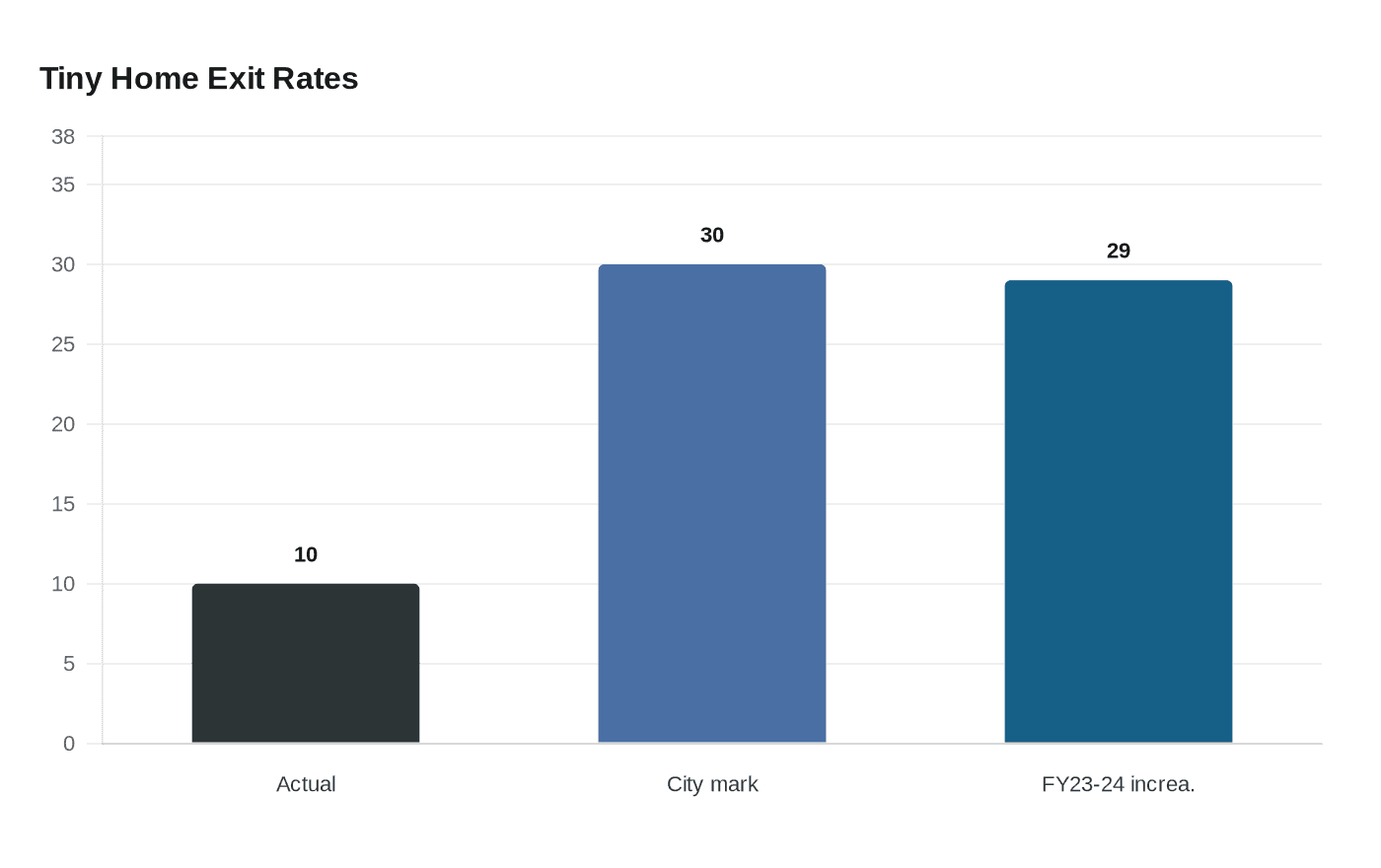
A 78-person North Hollywood tiny-home village has a 10% move-on rate in LAHSA data, far below the 30% figure city officials cite. The real test is permanent exits, not just beds built.

A North Hollywood tiny-home village is housing 78 people, but LAHSA data shows only 10% have moved into permanent housing, a rate that sits well below the roughly 30% figure city officials say is closer to the mark. That gap is the point: these villages were built as a bridge, and the question is whether they are actually delivering on the bridge part.
The distinction matters because LAHSA’s service standards define tiny-home villages as interim housing, not permanent housing. Los Angeles’ homelessness strategy makes the same point, framing interim housing as a step toward permanent housing for people who had been living on the streets. If the exit rate stays low, the model starts to look less like a pathway and more like a holding pattern.
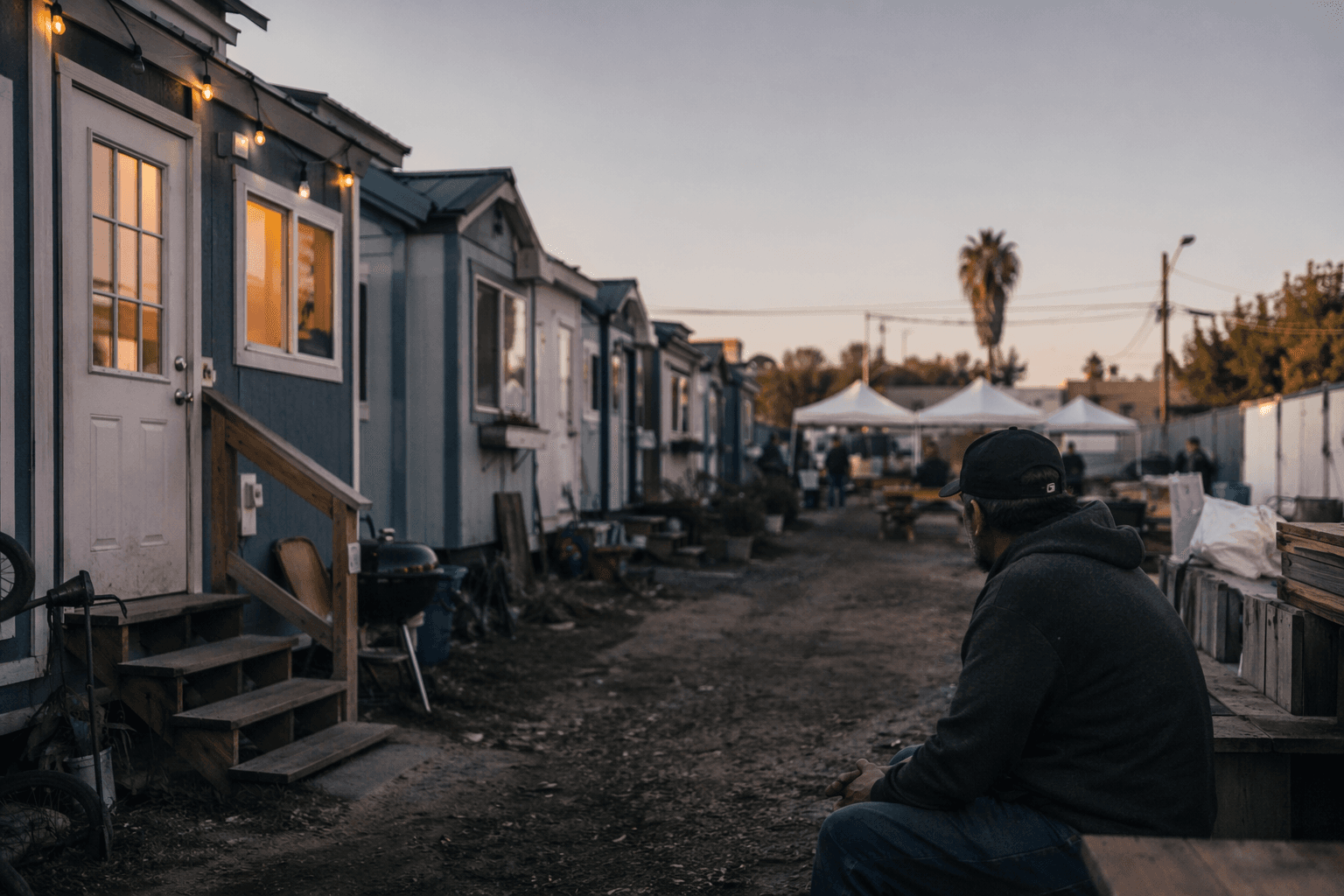
North Hollywood has been one of the city’s biggest proving grounds. Chandler Boulevard Tiny Home Village opened in February 2021 as Los Angeles’ first tiny-home community for people experiencing homelessness. It started with 39 units and 75 beds on a city-owned parcel between Chandler Boulevard and the G Line busway. By September 2023, a North Hollywood summary counted three villages in the neighborhood, Chandler, Alexandria Park and Whitsett West, with 219 homes and 425 beds total, and put the estimated construction cost at $50,124 per bed overall.
The broader system is under pressure to do more than house people temporarily. LAHSA said on January 3, 2025, that its FY23-24 performance data showed 29% more people moved from interim housing to permanent housing. City performance documents also say new City-funded permanent supportive housing developments should reach 90% occupancy within 90 days of becoming available. That is the standard the system is chasing: faster throughput into permanent units, not just more interim beds on the map.
The North Hollywood villages now sit at the center of that test. In 2026, local reporting said neighbors near new tiny-home projects in Hollywood and East Hollywood were raising crime and neighborhood-impact concerns, while supporters argued the villages give people a safer step off the street and into services. For North Hollywood, the scoreboard is still simple: if 78 residents are inside and only 10% make it to permanent housing, the real measure of success is not how many tiny homes got built, but how many people kept moving out of them.
This article was produced by Prism’s automated news system from verified source data, official records, and press releases, then run through automated quality and moderation checks before publishing. The system is built and supervised by the people who set the standards it runs under. Read our full AI policy.
Know something we missed? Have a correction or additional information?
Submit a Tip