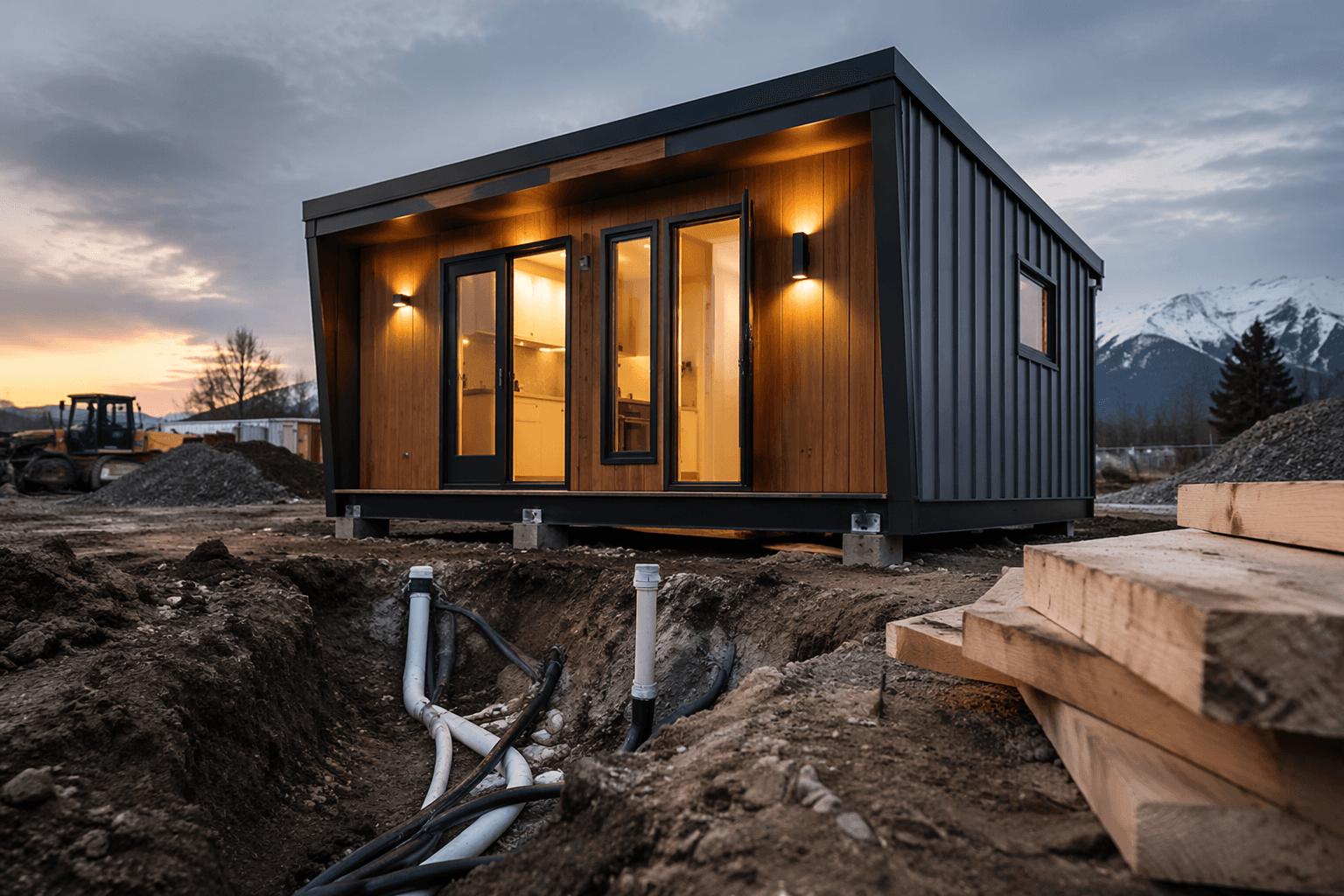
Ontario tiny-home owner faces eviction over shed classification dispute
A 250-square-foot shed in Cache Bay almost triggered eviction when West Nipissing said it was not a legal residence.

John Ridge’s 250-square-foot home in Cache Bay, near Sturgeon Falls, landed in the worst possible tiny-house gray zone: it was lived in like a house, but the Municipality of West Nipissing treated it as a shed. The municipality issued a final notice prohibiting occupancy under the Ontario Building Code Act, saying the structure was not a legal residence and putting Ridge at risk of eviction from the land he owns.
The detail that matters here is not the size alone. Ridge’s unit had electricity, heat and water, but the enforcement fight centered on classification, not livability. In tiny-house terms, that is the trap: a finished compact build can still be an outbuilding in the eyes of local officials if the zoning, permits and legal use do not line up. In Ridge’s case, municipal staff said they were trying to work collaboratively toward a resolution and offered alternate-housing supports, which made clear this was being handled as a compliance problem rather than a safety emergency.

By February 13, 2026, Ridge could remain in the shed while talks continued, but the path forward was already narrow. He was told he would need to apply for a zoning variance and upgrade parts of the structure, especially the foundation, with a February 23 deadline to submit the forms. That is the kind of detail buyers miss when they focus on square footage and forget the land-use file. A tiny home can be built beautifully and still stall out if the foundation, setbacks or permitted use do not satisfy the local bylaw office.
Ontario’s own guidance makes the risk plain. Tiny homes still need building permits and must comply with the Ontario Building Code. Zoning bylaws can control lot area, frontage, lot coverage, setbacks, building height, parking and servicing, which means the land can be as important as the house itself. The province says an open-concept tiny home can be as small as 17.5 square metres, or 188 square feet, but some municipal bylaws use 37 square metres, or 400 square feet, as their standard. That spread alone explains how fast a buy can turn into a dispute.
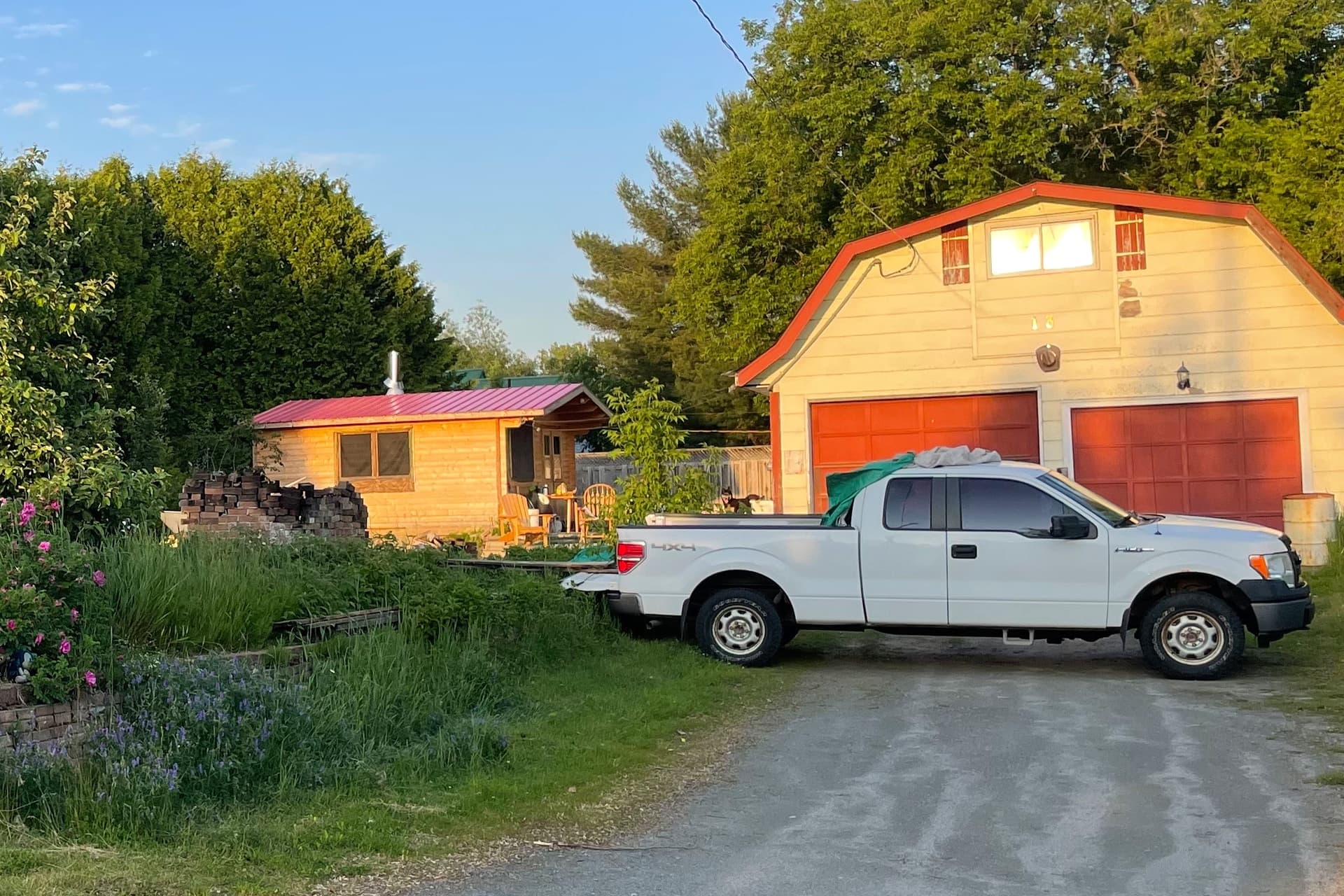
Ridge’s case is the kind of warning tiny-home buyers ignore at their peril. A compact build on private land is not automatically a legal dwelling, and once a local government says the structure is a shed, the fight shifts from design to paperwork, code and zoning. In Cache Bay, that mismatch nearly became an eviction.
This article was produced by Prism’s automated news system from verified source data, official records, and press releases, then run through automated quality and moderation checks before publishing. The system is built and supervised by the people who set the standards it runs under. Read our full AI policy.
Did this article answer your question?