Pomona advances tiny-home neighborhood near homeless services hub
Pomona is putting a tiny-home neighborhood on Garey Avenue, right beside its homeless-services hub, so residents can plug into care instead of starting from zero.

Pomona is moving ahead with a tiny-home neighborhood on the 2000 block of Garey Avenue, placing the project in a corridor where housing and service infrastructure already exists. The city’s choice matters because this is not being framed as an isolated housing patch, but as part of Pomona’s larger homelessness response.
The site sits near the Hope for Home Homeless Services Center, a hub that has operated since December 5, 2018 and connects residents with Volunteers of America, Tri-City Mental Health Services, East Valley Community Health Center, Prototypes Inc., SoCal Goodwill and other partners. The center has become a key piece of Pomona’s service network, and the new neighborhood would extend that model by putting tiny-home housing close to case management, health care and referrals rather than far from them.

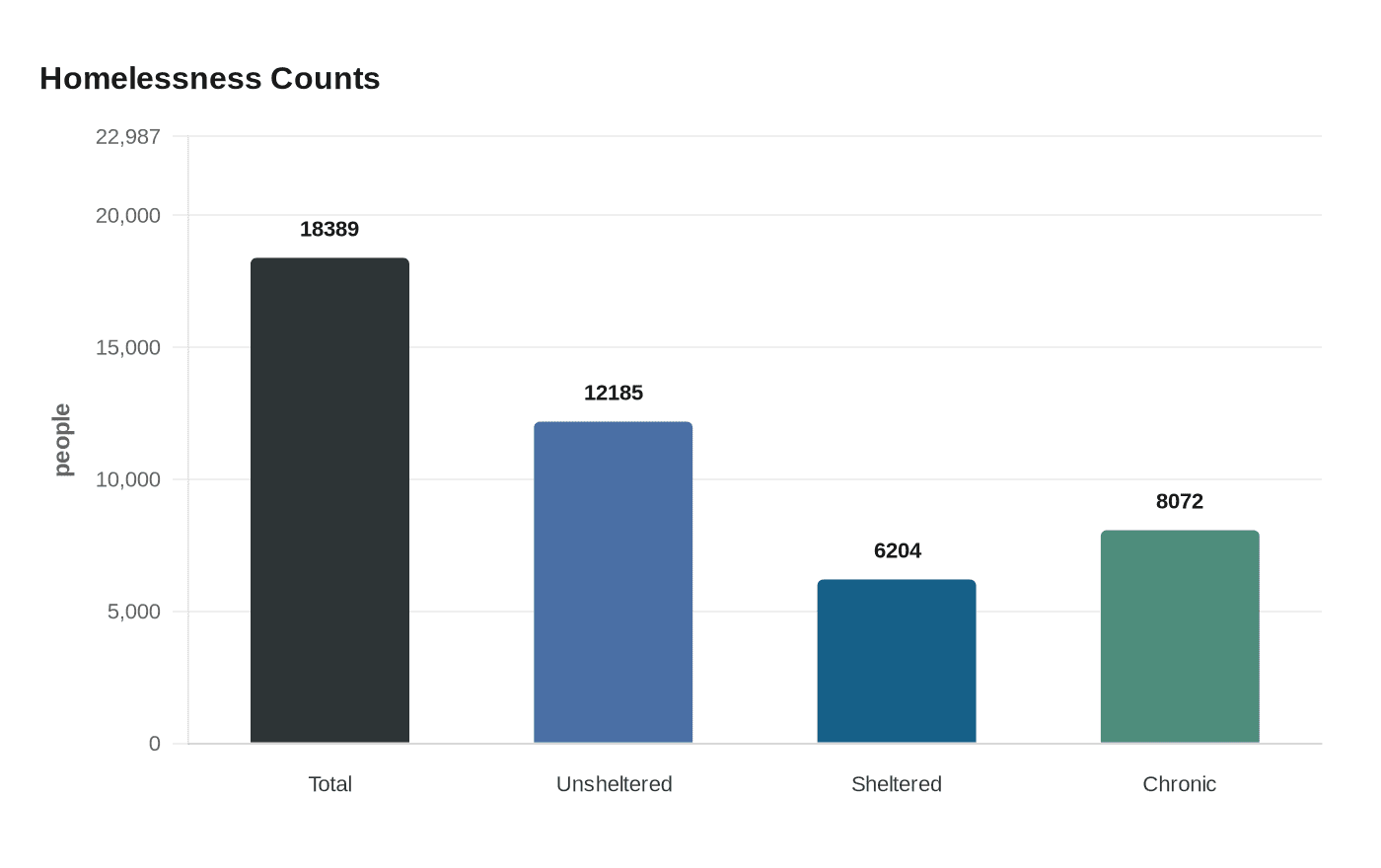
That proximity is important in a city where the numbers remain stark. Los Angeles Homeless Services Authority data for Service Planning Area 4 estimated 18,389 people experiencing homelessness on a single night in January 2024, including 12,185 people who were unsheltered and 6,204 who were sheltered. The same count found 8,072 people experiencing chronic homelessness, underscoring the scale of the challenge Pomona is trying to address with a more structured housing option.
Pomona’s existing programs show why the city is leaning into a service-linked approach. The city says about 40% of residents at Hope for Home had a connection to Pomona before becoming homeless, and about 62% had been connected to the city for at least a year. Roughly 75 Hope for Home residents have moved into permanent housing since the center opened, and an onsite medical clinic was added in August 2020. Los Angeles County’s Pathway Home program has also brought 43 people experiencing homelessness in Pomona into safe interim housing, with the city among the partners involved.
The tiny-home neighborhood now moves into that same ecosystem, with Garey Avenue and South Garey Avenue already part of Pomona’s homelessness and housing landscape. The city’s homeless outreach program includes street outreach, case management and referrals, while its Housing Stabilization Division says it aims to help households find and keep stable housing and prevent future episodes of homelessness. Taken together, those pieces suggest Pomona is not just adding units, but building a compact next step for people who need housing tied to services, support and a path to permanent placement.
Know something we missed? Have a correction or additional information?
Submit a Tip