Seattle funds 500 more tiny homes as critics cite failed model
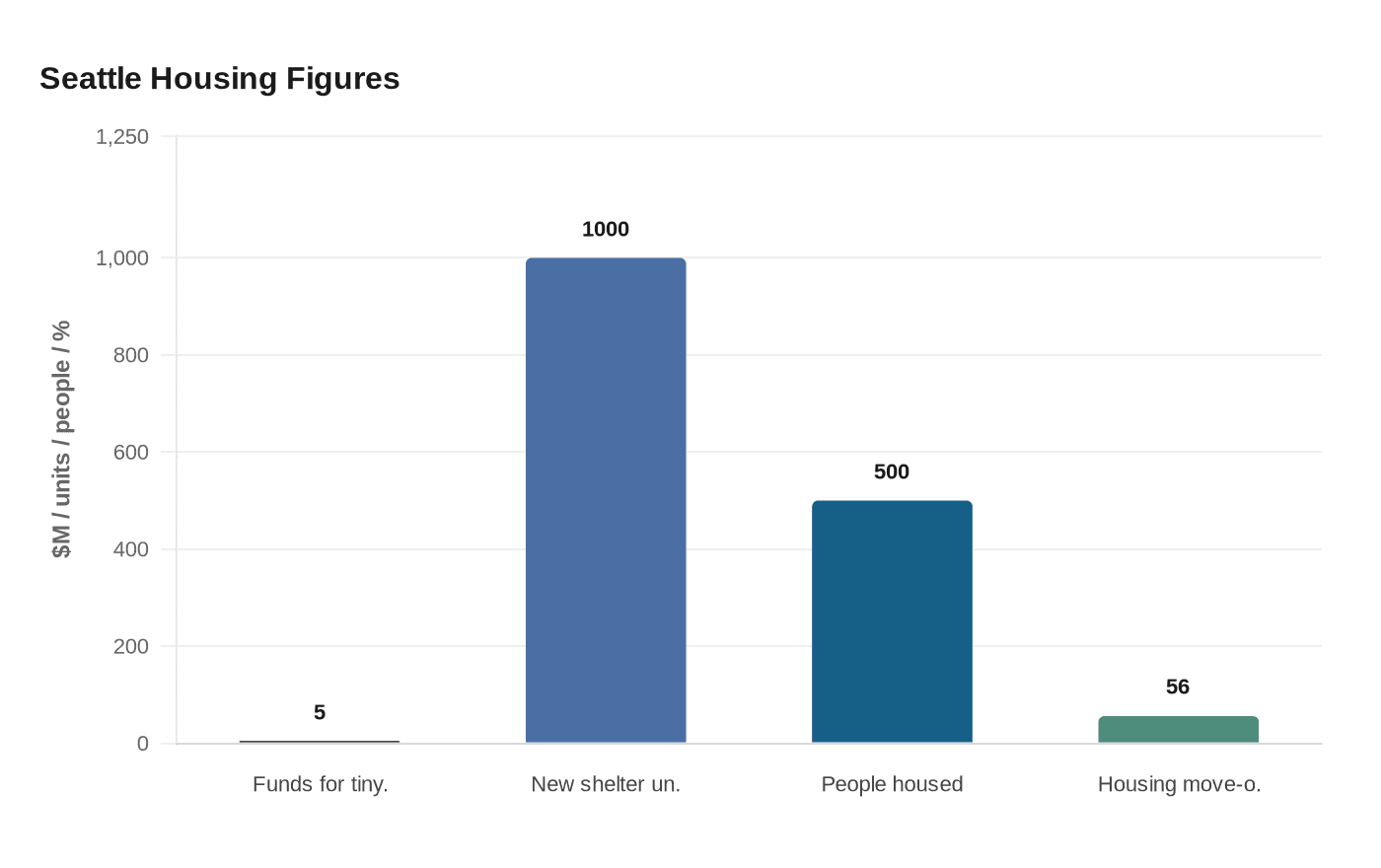
Seattle set aside $5 million for 500 more tiny-home units while critics point to drug use, vacancies and a performance dashboard frozen since 2023.
Seattle is betting another $5 million on tiny house villages even as the city’s own critics say the model still lacks the accountability needed to justify a bigger rollout. Mayor Katie Wilson said on March 4, 2026, that she had found the money in city housing and human services funds to expand tiny house villages and shelters, and she said her administration would also seek legislation to strip away bureaucratic and regulatory limits on those sites.
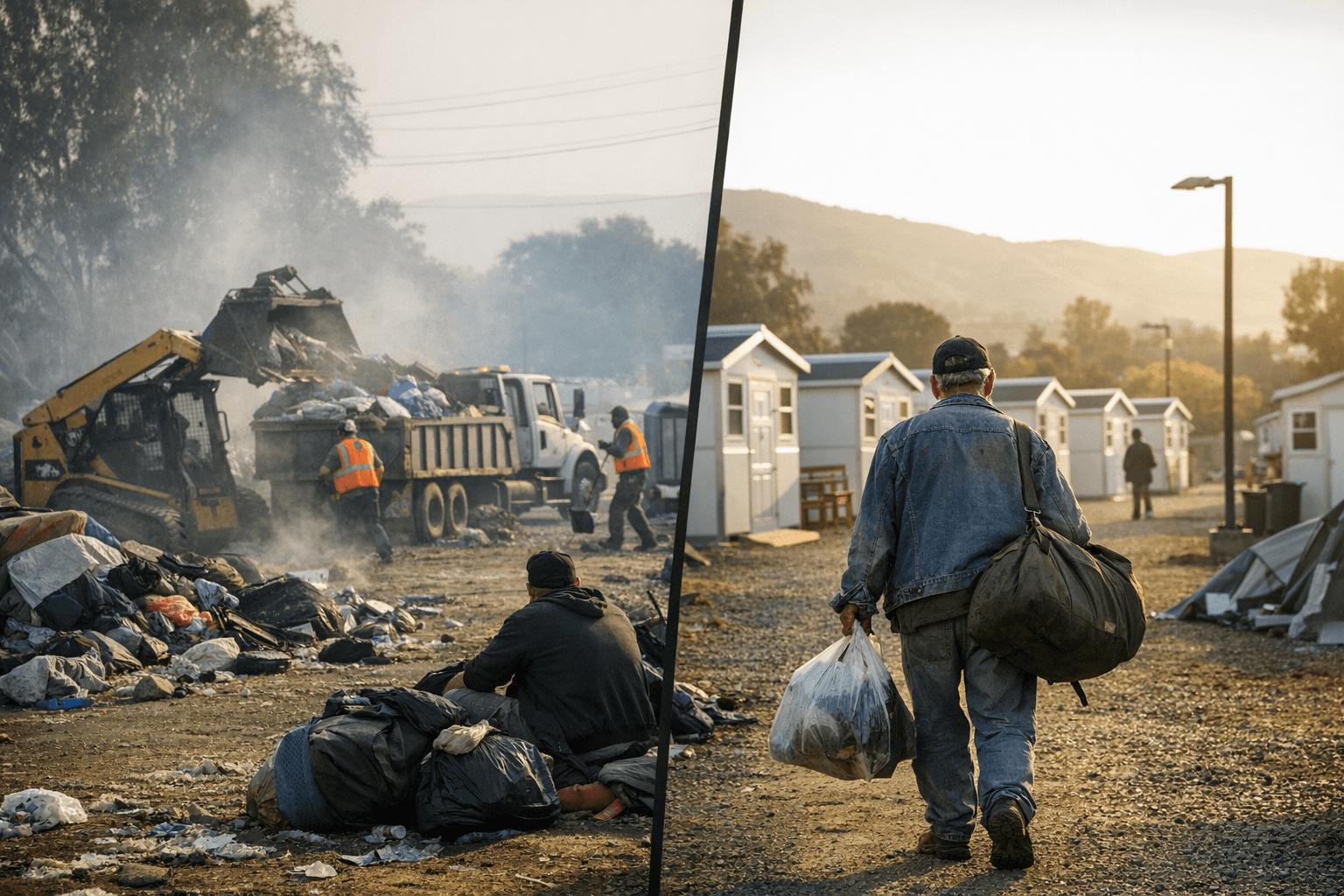
The push lands in the middle of a familiar Seattle contradiction: the city is adding shelter capacity while its encampment system keeps clearing outdoor camps through inspections, hazard mitigation, litter picks and 72-hour removals. Wilson said she wants to open 1,000 new units of shelter and emergency housing with wrap-around services, but critics want proof that the tiny home strategy is actually moving people indoors and keeping sites stable before the city scales it again.
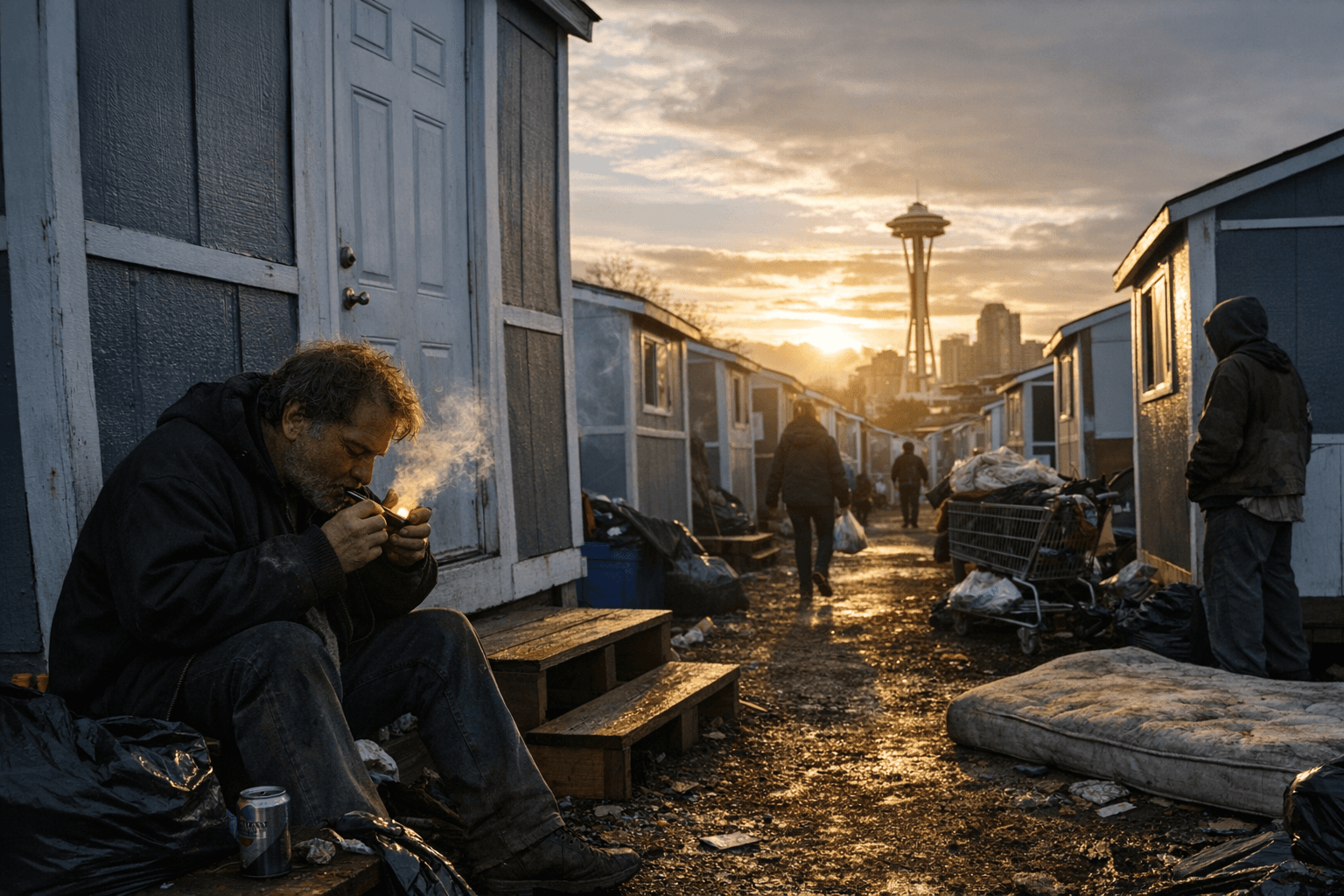
That skepticism has deep roots. Licton Springs, one of nine tiny house villages operating in Seattle, was also the first city-funded camp to allow drug and alcohol use on site. Seattle’s 2019 ordinance materials described tiny house villages as an interim use created under Ordinance 124747, with residents self-managing the communities. Those same materials said about 500 people transitioned to permanent housing from Seattle’s tiny house villages between 2016 and 2018, and that 56 percent of village residents in 2018 moved into permanent or transitional housing.
But the city’s current performance picture is murkier. The King County Regional Homelessness Authority says its system-performance dashboard, meant to show key measures across the homelessness response system, has had updates on hold since October 1, 2023. That leaves residents, advocates and neighborhood groups arguing over a model that is expanding faster than the public can easily measure it.
Seattle has kept building anyway. On July 30, 2025, Mayor Bruce Harrell announced more than 100 new tiny houses through two new villages with the Low Income Housing Institute, promising comprehensive onsite supportive services for chronically homeless people and those with complex behavioral challenges. In February 2026, KCRHA announced the opening of the 45-tiny-house Olympic Hills village in Lake City, operated with LIHI, Purpose. Dignity. Action., We Deliver Care and New Hope Missionary Baptist Church. City budget documents also showed nearly $498,000 added to operate LIHI’s 68-unit Camp Second Chance village.
Seattle’s housing budget remains massive by local standards, with the city’s 2025 fact sheet showing $342 million proposed for affordable housing in 2025 and another $343 million in 2026. The question now is whether tiny homes are a bridge with measurable results, or another expensive shelter layer that still needs stricter standards, better oversight and a clearer record before the city approves 500 more.
Know something we missed? Have a correction or additional information?
Submit a Tip