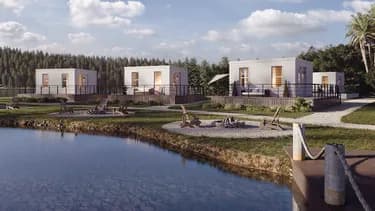
Sherburn tiny-home community gains traction with seven occupied spaces, more coming
Seven of Sherburn’s 19 tiny-home spaces were occupied, and two more homes were expected within a month, turning a once-abstract plan into a lived-in neighborhood.
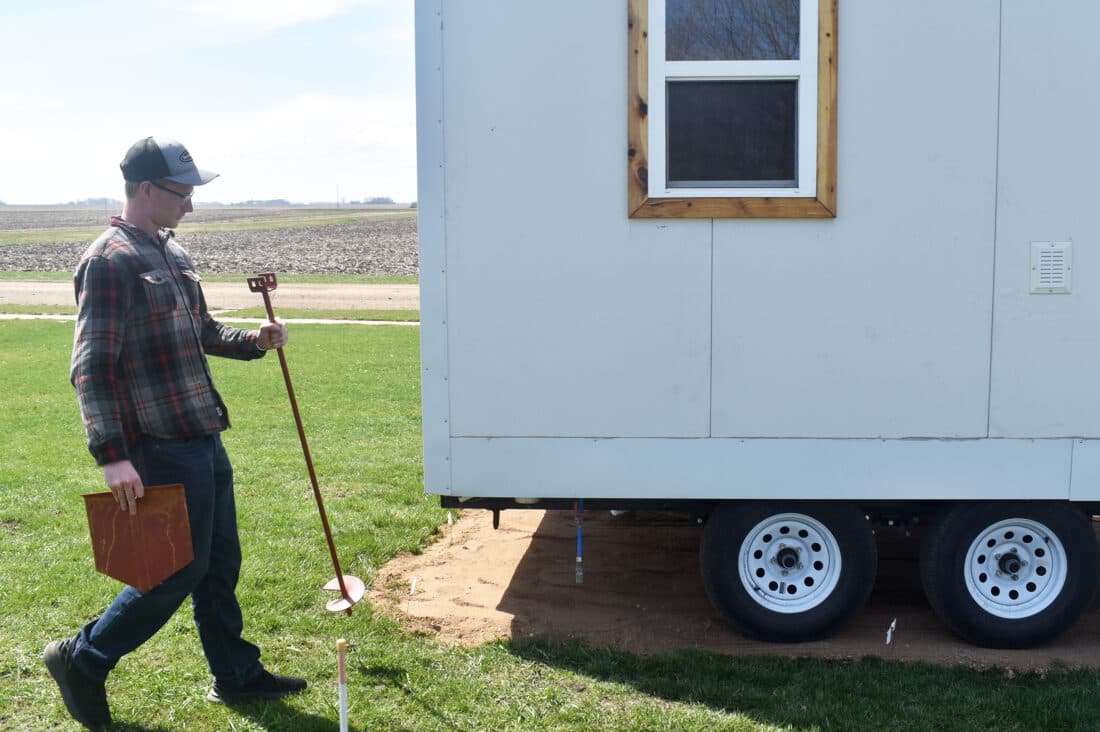
Seven of the 19 available spaces at Sherburn’s tiny-home site were occupied, and two more homes were expected within about a month, giving the project at 301 South Prairie Street a level of traction that tiny-home proposals often never reach.
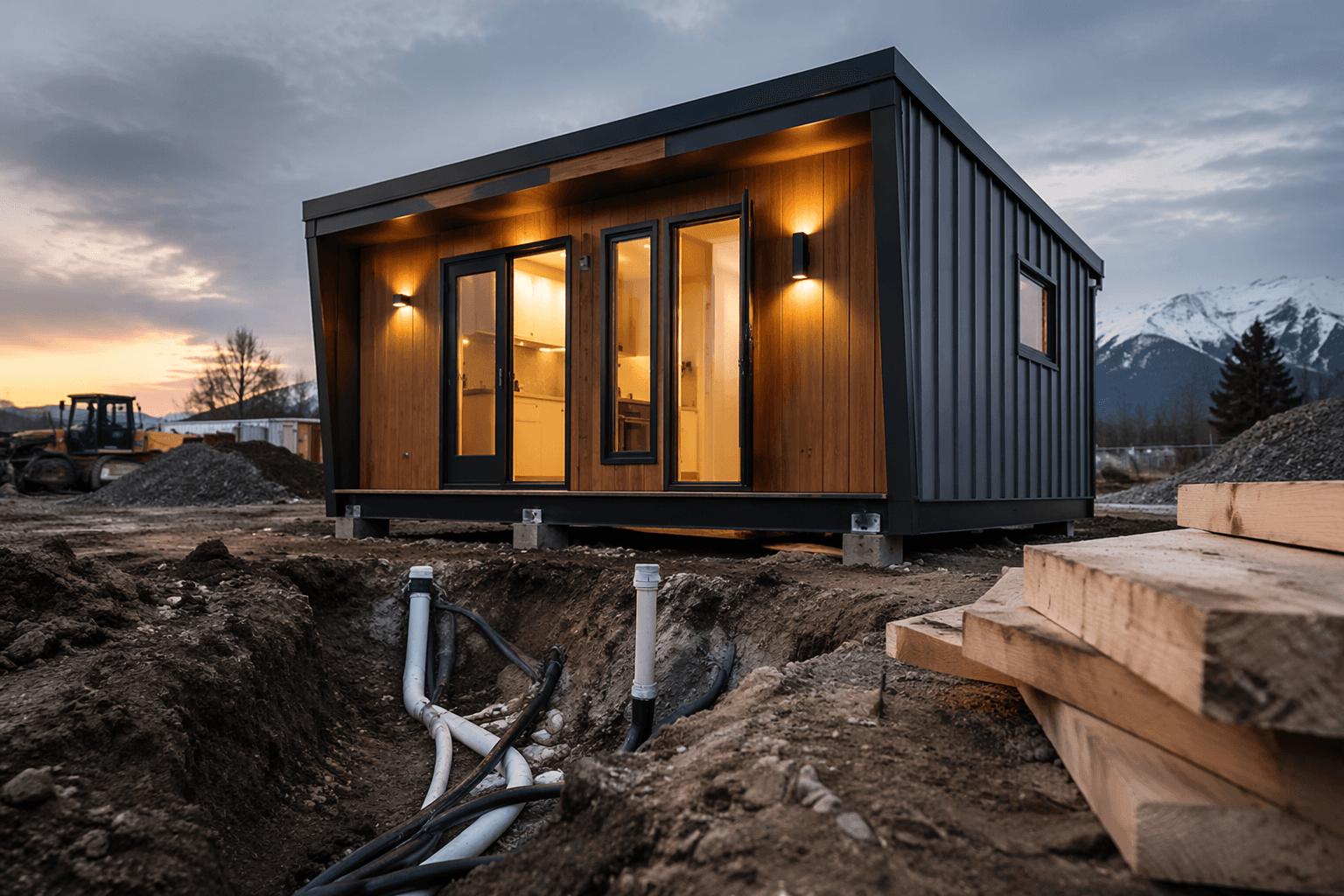
The community has been shaped by Matt Bury, who bought the land for $40,000 after returning to Sherburn from work with a tiny-home company in Tennessee. What began as an early concept moved through city approval, utility planning and site work over the past year until the gravel road layout, hookups and lot plan became a functioning neighborhood instead of a drawing on paper.
That practical groundwork mattered. In a March 2025 update to the Sherburn City Council, the 19 lots were described as sharing a water meter, with each lot getting its own shut-off valve and sewer and electrical service planned. At the time, the area was still zoned for mobile homes, showing how much zoning and infrastructure had to line up before occupancy could begin.
The project’s own website now says the 19 lots are fully set up, several are occupied, four include homes for sale or rent, and one is listed on Airbnb. It also lists utilities, lawn care, snow removal and electric-vehicle chargers, along with a one-time $5,000 key-money fee and $300 in monthly lot rent plus utilities. That mix points to a model built for both long-term living and a smaller short-term rental stream.
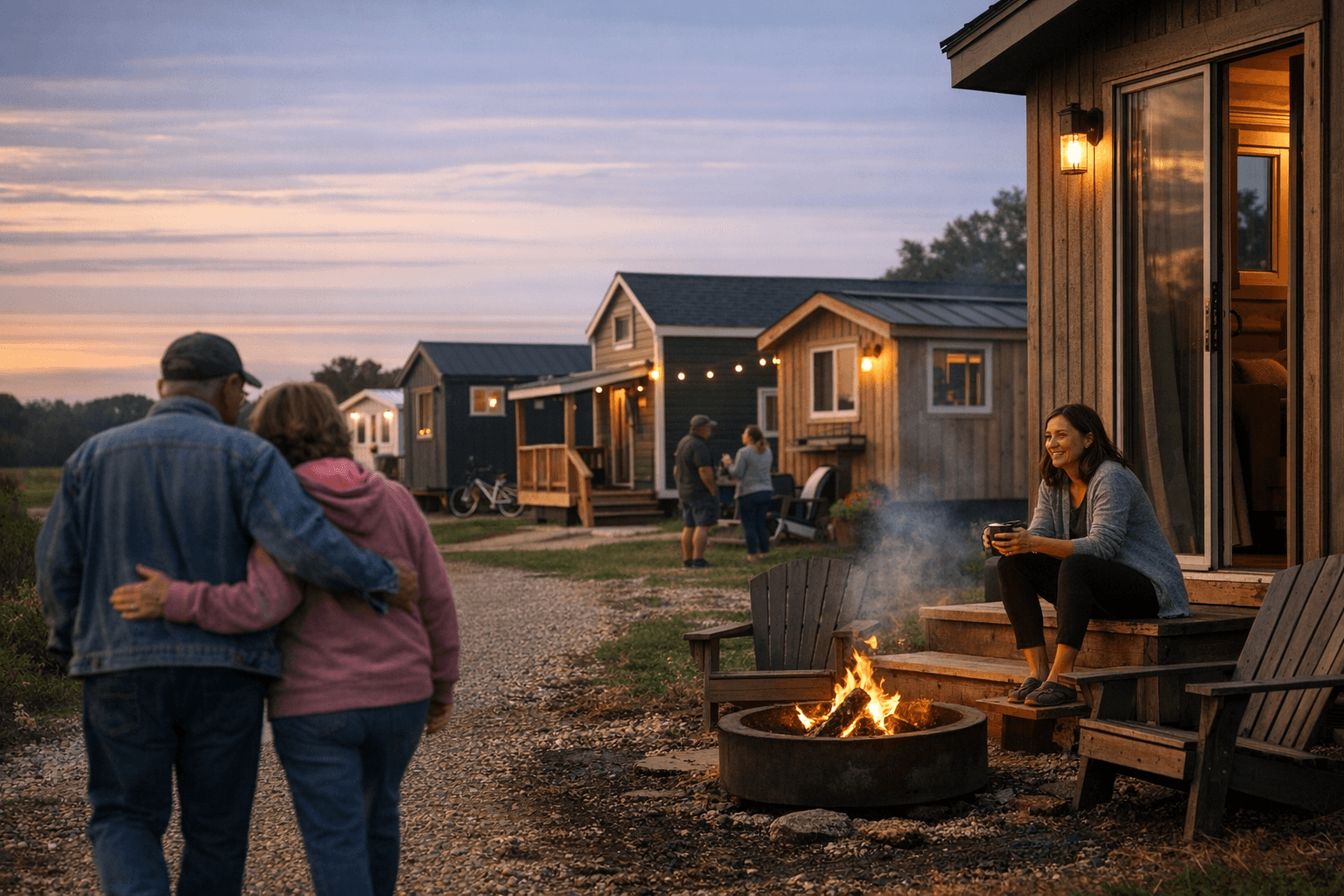
For Julie Neubauer, the appeal went beyond price. She said she had seriously considered living in her vehicle before finding the Sherburn community, and the draw was as much the sense of community as the affordability. Her experience gives the project its sharpest human edge: a housing option that is not only cheaper, but different enough to keep someone from falling into homelessness.
Sherburn itself is a small place, with 1,058 residents in the 2020 Census, but the project lands in a much larger housing conversation. A January 2025 policy brief from the U.S. Commission on Civil Rights Minnesota Advisory Committee cited a statewide shortage of about 104,000 to 106,000 homes and linked stricter zoning to higher home prices, faster rent growth and more homelessness.
Minnesota’s Department of Labor and Industry says tiny houses are regulated by the state building code, and Appendix Q defines a tiny house as 400 square feet or less, excluding lofts. Zoning, though, still varies by city and can bring minimum size and lot-size requirements. In Sherburn, the proof now sits on the ground: occupied spaces, utility hookups and a visible path to more homes.
This article was produced by Prism’s automated news system from verified source data, official records, and press releases, then run through automated quality and moderation checks before publishing. The system is built and supervised by the people who set the standards it runs under. Read our full AI policy.
Did this article answer your question?