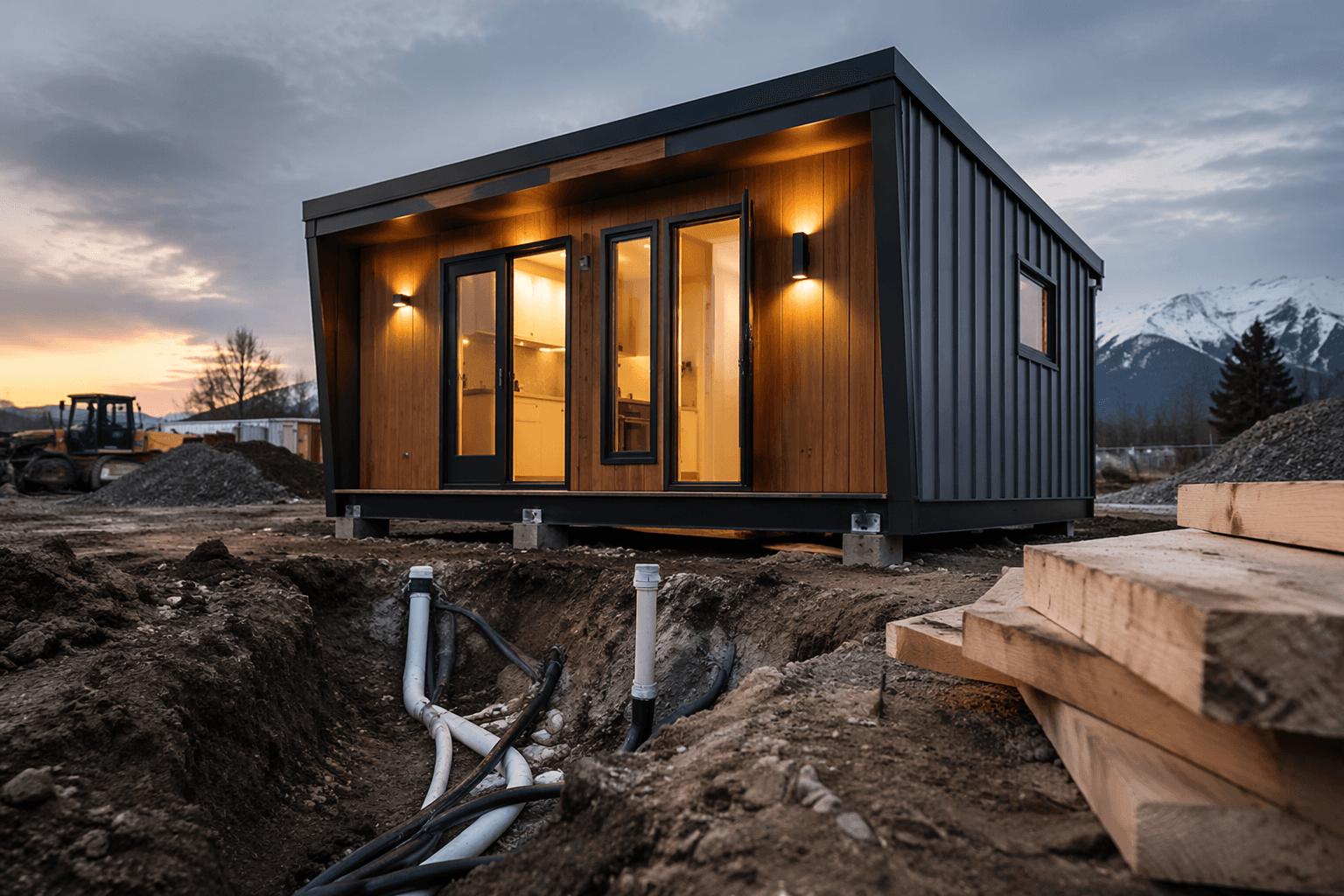
Pre-loved Tru Form Tiny home proves luxury tiny living can age well
A 2017 Tru Form Tiny at Tiny Tranquility Park Redwoods shows how a pre-loved luxury tiny home can beat a new-build premium without feeling like a compromise.
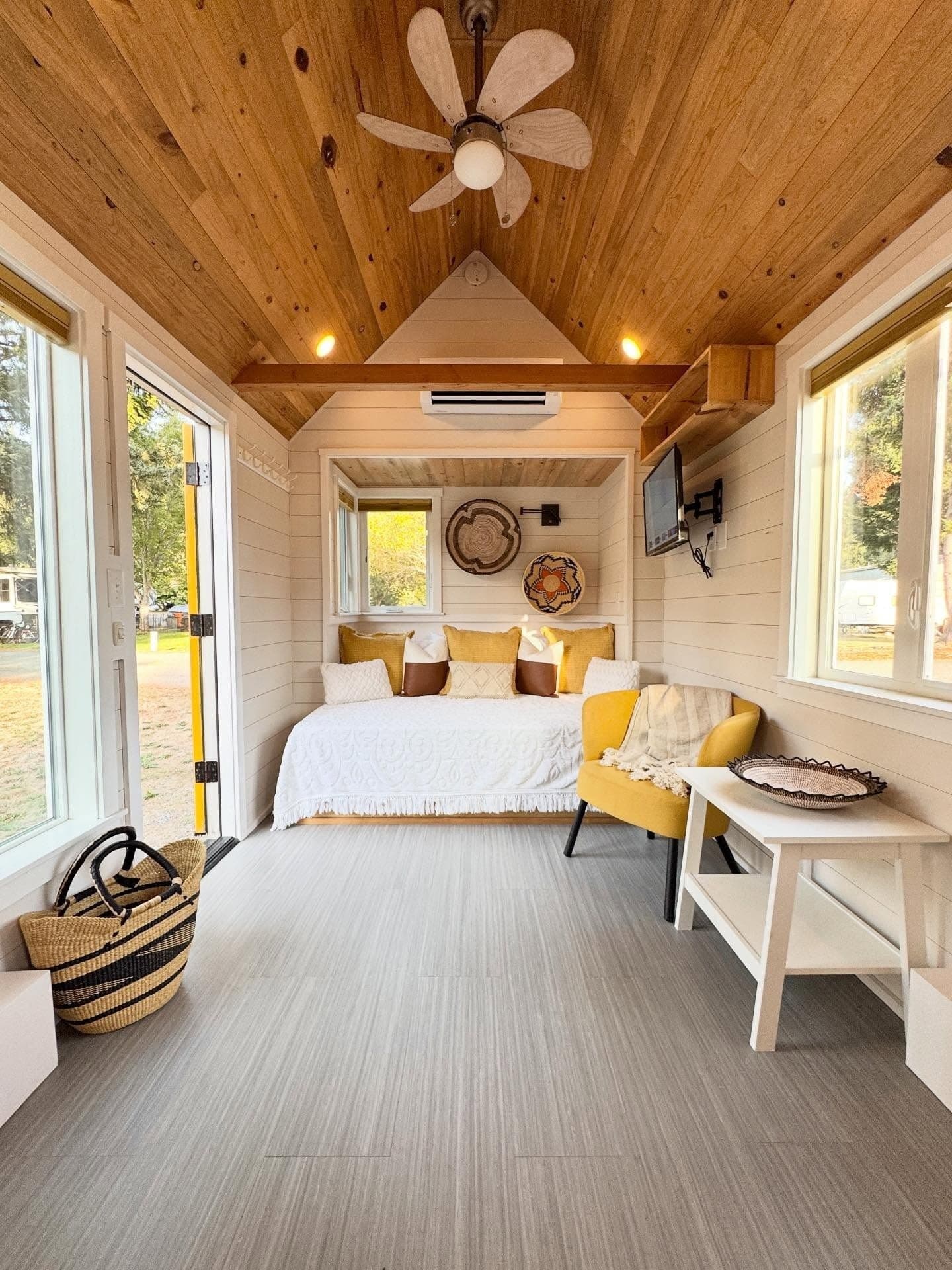
A 2017 Tru Form Tiny at Tiny Tranquility Park Redwoods is the kind of listing that changes the used tiny-home conversation. Almost a decade in, it still looks impeccable, and that is the real market lesson: a well-built secondhand tiny home can deliver the high-end feel buyers want without the pain of commissioning a brand-new six-figure build. In a housing market still squeezed by affordability, that combination of craftsmanship, readiness, and a real site is hard to ignore.
Why this pre-loved Tru Form Tiny still feels premium
The biggest reason this home lands so well is simple: it was custom-built by a respected tiny-house builder, not knocked together as a quick flip. Autoevolution describes it as spacious, excellently crafted, and backed by a smart, timeless layout, which is exactly the sort of language that matters when a home has to hold its own after years of use. A tiny house ages well when the bones are right, and this one still reads as contemporary because the design was never trendy to begin with.
Tru Form Tiny’s own story helps explain that durability. The company is family-owned and based in Eugene, Oregon, and says it has built over 300 handcrafted homes to date, including hundreds of tiny homes on wheels. It frames its work around custom craftsmanship, sustainable materials, and thoughtful design, which is the formula that keeps a small home from feeling dated after the first owner moves on.
What holds value in the secondhand tiny-home market
In a used luxury tiny home, not every feature carries the same weight. The details that keep their value are the ones that are expensive to rebuild and still feel relevant years later.
- A custom layout that uses every inch well, rather than a generic floor plan
- Craftsmanship that still looks clean after years of use
- Sustainable features such as solar power, composting toilets, and energy-efficient appliances
- Eco-friendly materials and energy-efficient systems that support lower operating hassle
- A home that is genuinely move-in ready instead of cosmetically polished
Tru Form Tiny has also made sustainability part of its pitch, highlighting eco-friendly materials, energy-efficient systems, and innovative design techniques. That matters in resale because tiny-home buyers are not just chasing square footage. They want a home that feels modern, runs efficiently, and avoids the obvious shortcuts that make some small homes age badly.
The site matters as much as the shell
This is where the story gets especially useful for buyers. The unit is being sold at Tiny Tranquility Park Redwoods in Northern California, with a site available for the future owner to choose. That turns the listing into more than a pretty trailer on a screen. It gives the buyer a land base, and in tiny living, that can be the difference between a smart purchase and a headache.
Tru Form Tiny is blunt about the issue: where a tiny house on wheels can legally park depends on local regulations, land ownership, and whether the property is zoned for a primary dwelling, an ADU, or RV-style use. That is the part many glossy listings glide past. A beautiful tiny home can still be a poor buy if the siting is wrong, because the legal and land setup can matter as much as the home itself.
The inspection checklist that protects the savings
The used tiny-home market only works if the buyer knows where the real risk lives. The savings disappear fastest when the home looks finished but the siting is shaky, the legal use is murky, or the structure no longer matches the quality of the original build. This is where a pre-loved luxury home demands the same discipline as a larger house, just compressed into a smaller footprint.
A practical checklist starts with the basics of placement and ownership:
- Confirm whether the site is owned, leased, or simply available within a park setting
- Verify how the property is zoned, especially if the plan is primary-dwelling, ADU, or RV-style use
- Make sure the home’s current setup matches the local rules where it will live
- Treat a beautiful interior as only part of the equation, not the whole value proposition
That last point matters because industry commentary notes that tiny homes often depreciate more like RVs than traditional homes when they are not tied to land or strong zoning. In other words, the house itself can be excellent and the investment can still wobble if the legal footing is weak. The shell is only half the story.
Why pre-owned can beat commissioning new
The appeal of a used high-end tiny home is that it lets buyers skip the wait and the premium of fresh production while still getting a home with proven character. That is especially relevant when Harvard Joint Center for Housing Studies says the US housing market still faces persistent affordability challenges, and the National Low Income Housing Coalition’s 2026 Gap report says there is a shortage of 7.2 million affordable and available homes for extremely low-income renters. Against that backdrop, a pre-loved tiny home is not just a lifestyle choice. It is a practical way to get into a serious housing solution without paying for the first owner’s novelty.
That is why this 2017 Tru Form Tiny is such a strong example. It is almost a decade old, yet it still looks and feels impeccable because the build quality was there from the start, the layout was timeless, and the sustainability-minded features still make sense. For buyers comparing secondhand value against a brand-new order, that combination is the sweet spot: the luxury is already built in, and the market has not yet stripped away its appeal.
This article was produced by Prism’s automated news system from verified source data, official records, and press releases, then run through automated quality and moderation checks before publishing. The system is built and supervised by the people who set the standards it runs under. Read our full AI policy.
Did this article answer your question?