Queensland Tiny-Home Village Offers Eating Disorder Patients Supported Recovery Housing
endED opened eight tiny homes in Woombye, Queensland backed by $3.2M in state funding, offering eating disorder patients clinical wrap-around care in a purpose-built recovery village.
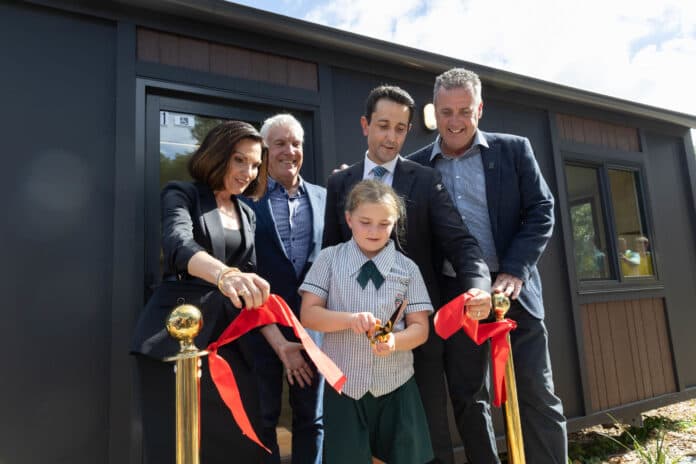
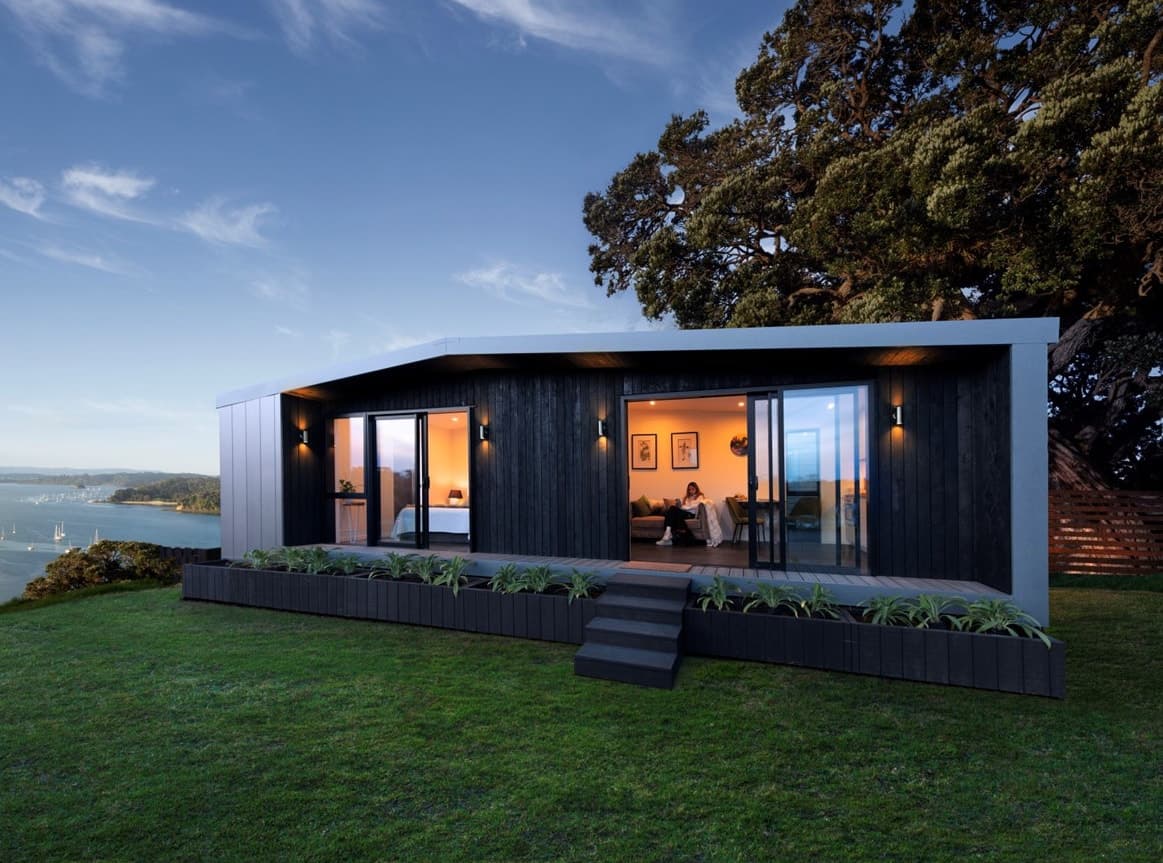
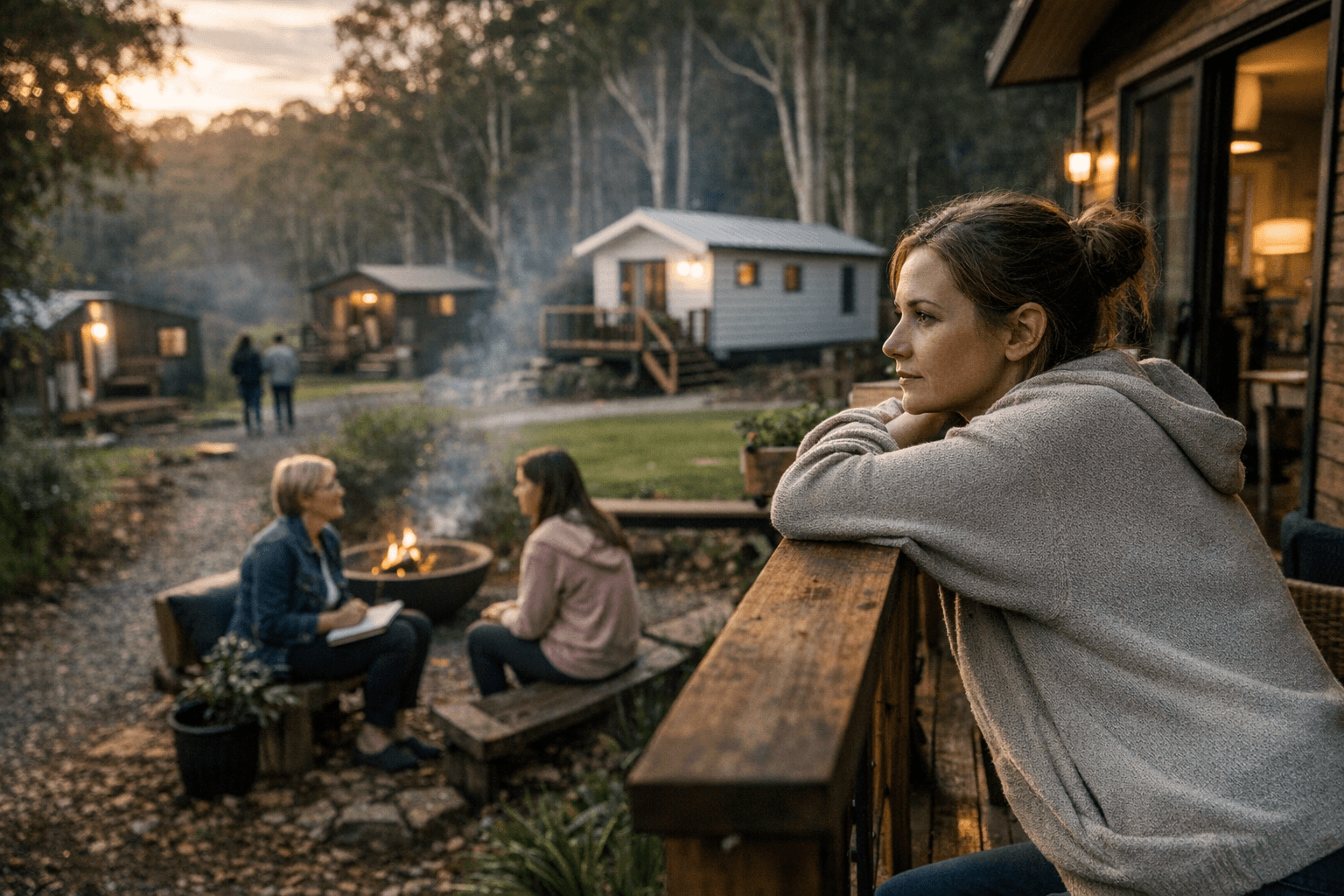
Eight tiny homes on a Woombye block don't look like a clinical breakthrough. But when Sunshine Coast not-for-profit endED opened its recovery village on April 2, the project arrived as something the tiny-home world rarely sees: a purpose-built, publicly funded housing model designed not for emergency shelter, but for a specific health outcome.
First residents are scheduled to move in April 7. The village, backed by $2 million in Queensland state government capital and a further $1.2 million over three years for programmatic supports, will deliver wrap-around psychosocial recovery care to people working through eating disorders and other mental health conditions.
The operational model sets it apart from typical supported accommodation. Specialist clinical staff, peer workers, and carers with lived experience will provide meal support for navigating food-related challenges, trauma-informed yoga, group outings, and telehealth-based peer and carer programs. Design and construction partner Everything Suarve clustered the eight units around shared recovery programming rather than simply grouping housing near existing services.
The Sunshine Coast Mayor and state representatives attended the opening alongside project founder Mark Forbes. Queensland's health minister captured the project's core philosophy: "Having secure and safe housing is critical in helping Queenslanders recover and heal."
Forbes and community partners framed the village as a mechanism for reducing dependence on acute hospital beds while keeping people close to their local support networks during recovery. That framing carries real weight in health-funding conversations: $3.2 million total, split between capital and three years of program delivery, is a fraction of what inpatient care at equivalent scale would cost.
Woombye is now the benchmark. If the village posts measurable reductions in acute care utilization and improved recovery outcomes, policymakers in other states will have a specific dollar figure and a working operational model to point to, not just a concept.
Know something we missed? Have a correction or additional information?
Submit a Tip