Sacramento keeps tiny homes central in homeless housing plan
Sacramento kept three tiny-home sites alive for seniors 55 and older, but financing, site control and a North Natomas legal fight still threatened the rollout.
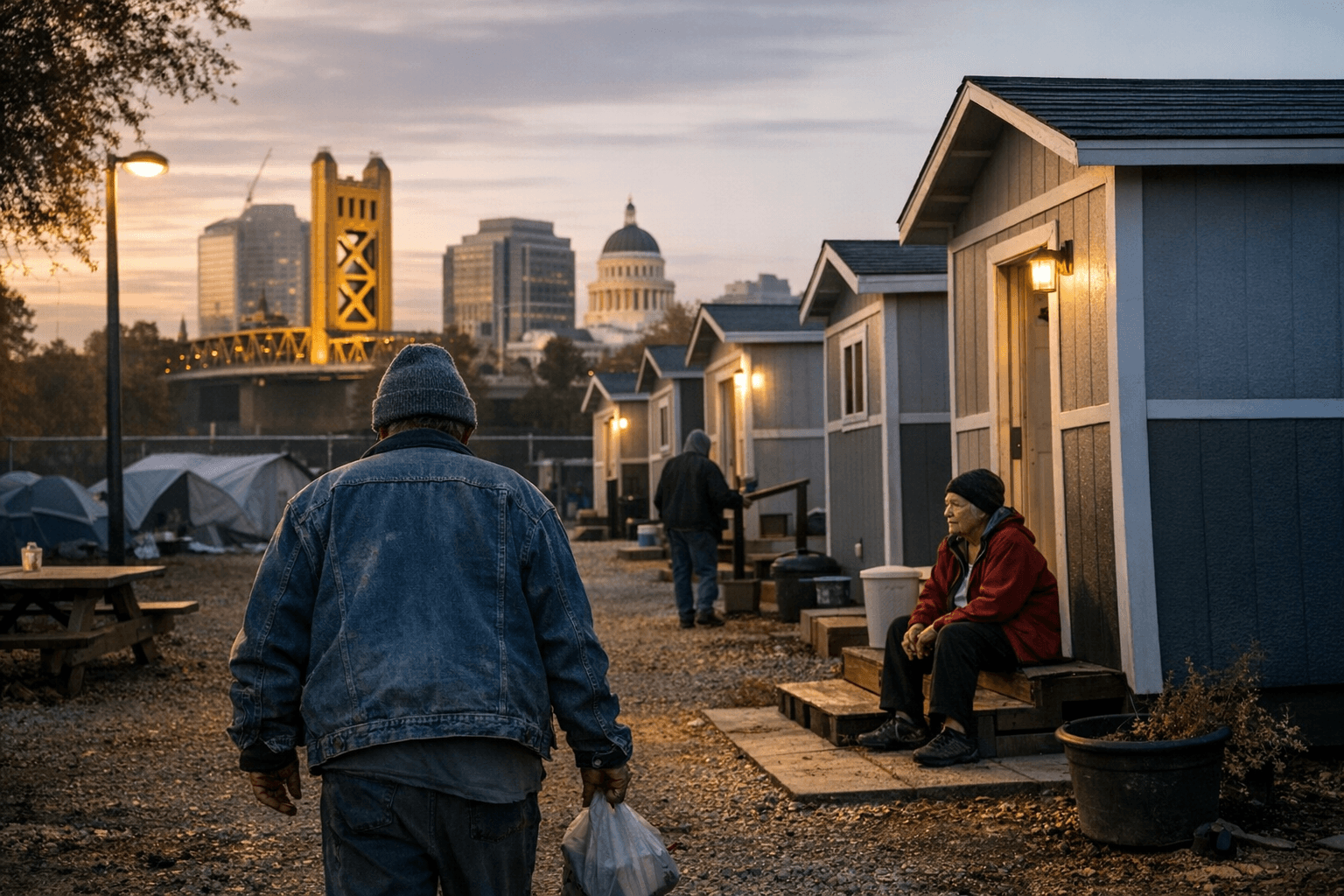
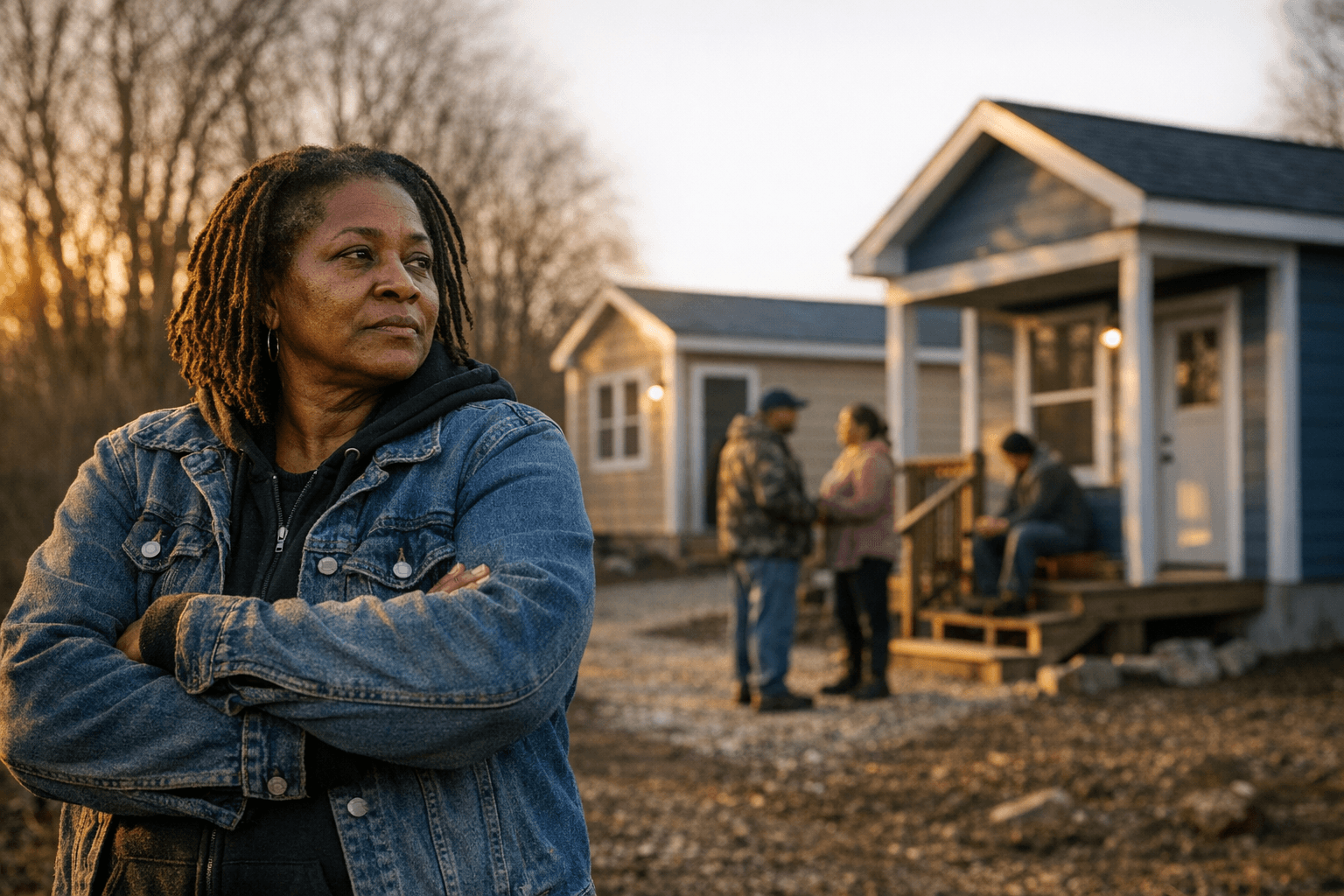
Sacramento’s tiny-home push was still alive, and the city kept it aimed squarely at older adults who are getting left out of the housing pipeline. Three identified sites in council districts 1, 5 and 8 were still on the table for 40-unit, city-funded micro-communities for unhoused seniors age 55 and older, part of a six-point homelessness plan that also included a safe camping site, a safe parking lot, state-funded tiny-home projects and a nonprofit grant program.
The pitch was simple and aggressive: build faster, house more people and do it for far less than traditional permanent supportive housing. City materials said each unit would be 120 square feet, pre-manufactured and equipped with electricity, heating and air conditioning, internet, storage, a microwave and a refrigerator-freezer. The sites were also designed with shared bathrooms and showers, laundry, gathering spaces, gardens, dog runs and office space for service providers. The city said the communities would have 24-hour security monitoring, fencing, restricted access, bag checks and daytime visiting hours.
The age focus was not a side note. Sacramento’s own FAQ said 22% of the city’s homeless population was 55 or older, and the micro-communities were described as interim supportive housing for stable seniors on fixed incomes. In September 2025, the City Council voted 7-2 to require residents to pay 30% of their income after a 90-day grace period, a condition that drew criticism from local homelessness advocate Arturo Baiocchi, who worried the support model mattered as much as the housing itself.
The money math is why the tiny-home plan kept getting attention. City budget materials said Sacramento overcame a $62.2 million deficit in its 2025-2026 budget, and officials described the shortfall as structural. The city also said state homelessness funding was cut by $10.9 million. Even so, city leaders kept arguing that the tiny-home model could stretch public dollars farther than building permanent supportive housing at roughly $500,000 per unit. The city’s own materials put tiny-home communities at about $85,000 per unit including infrastructure, and Mayor Kevin McCarty said the approach could serve five to 10 times more people.
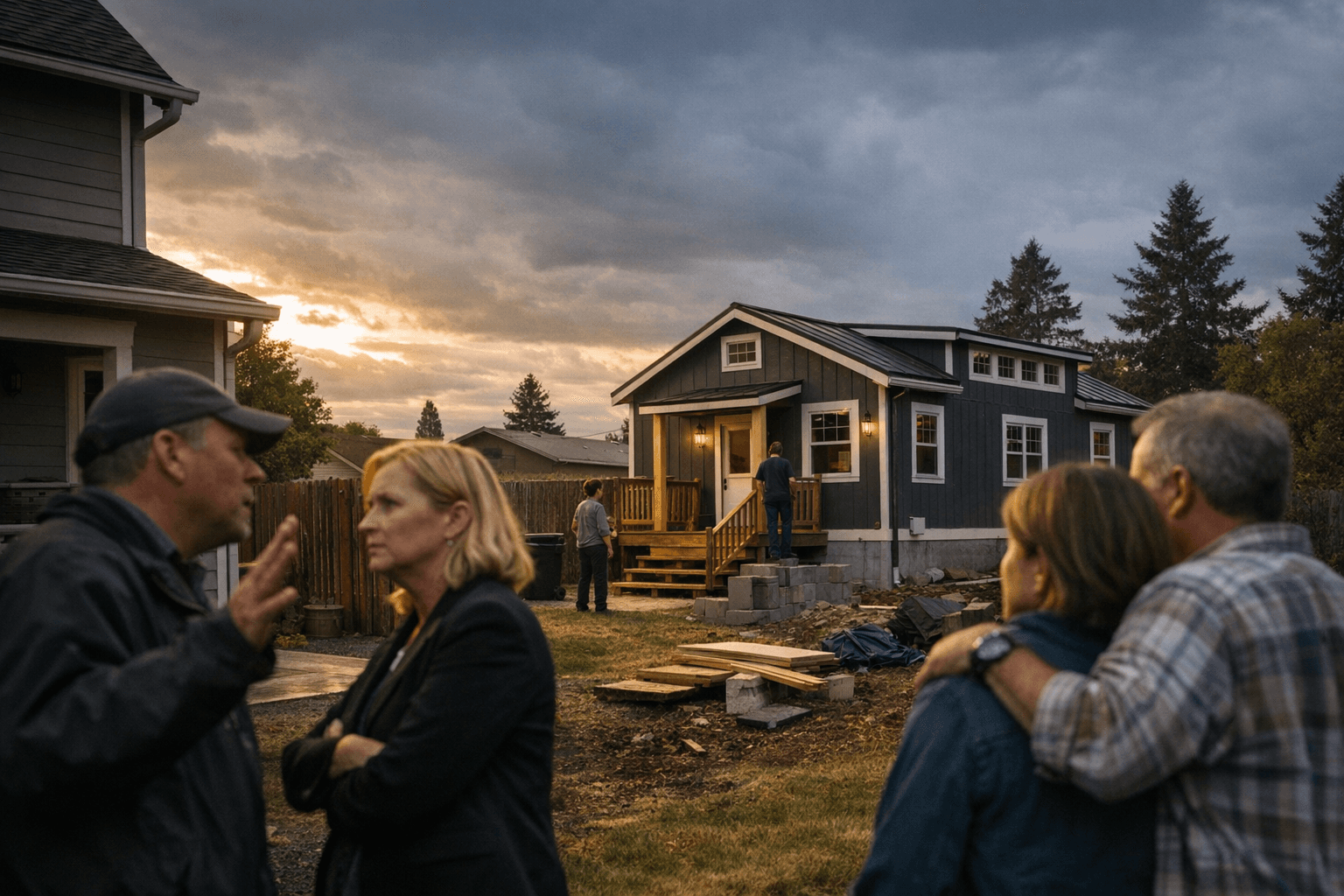
The question now was not whether Sacramento liked tiny homes. It was whether the plan could get past the remaining friction points. The three identified locations were 3511 Arena Blvd. in District 1, 6360 25th St. in District 5 and 2461 Gardendale Road in District 8, while a fourth site in District 7 was still undecided. The broader plan also called for a 100-person safe camping site at 291 Sequoia Blvd. in District 4, a safe parking site at 4625 Consumnes River Blvd. in District 8 for 60 to 80 vehicles, and two Homekey+ tiny-home proposals at 2809 Rio Linda Blvd. in District 2 and 4290 Mack Rd. in District 5 for 220 units total if state funding came through. For now, Sacramento’s tiny-home strategy was not dead paper. It was still moving, but it was still one budget fight, one legal battle in North Natomas and one site-control problem away from stalling out.
Know something we missed? Have a correction or additional information?
Submit a Tip