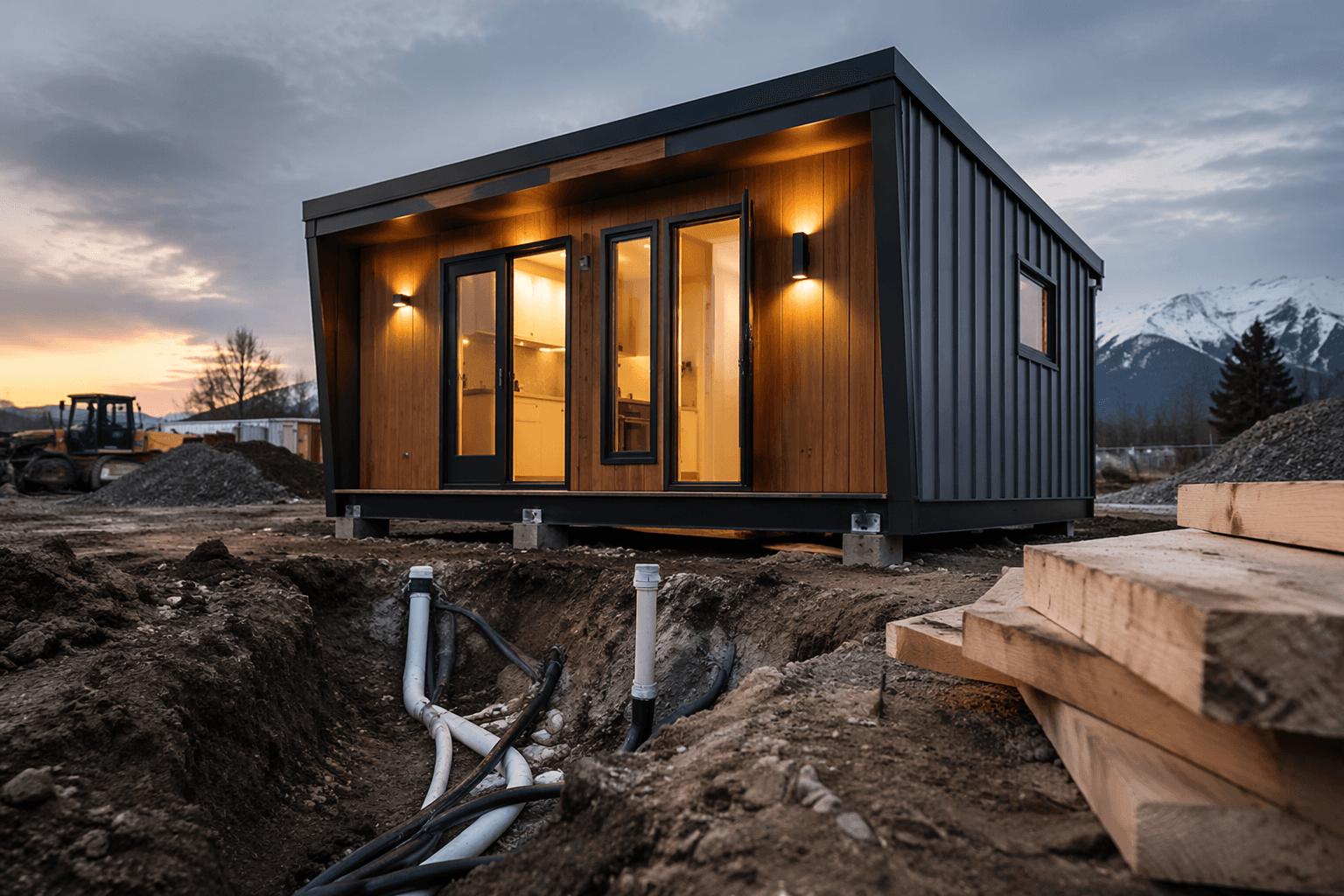
Seattle opens tiny-home shelter amid backlash over design and safety
Bayside Enhanced Shelter opened in Interbay with 75 tiny units, but the louder fight is over safety, siting and whether Seattle can earn public trust.
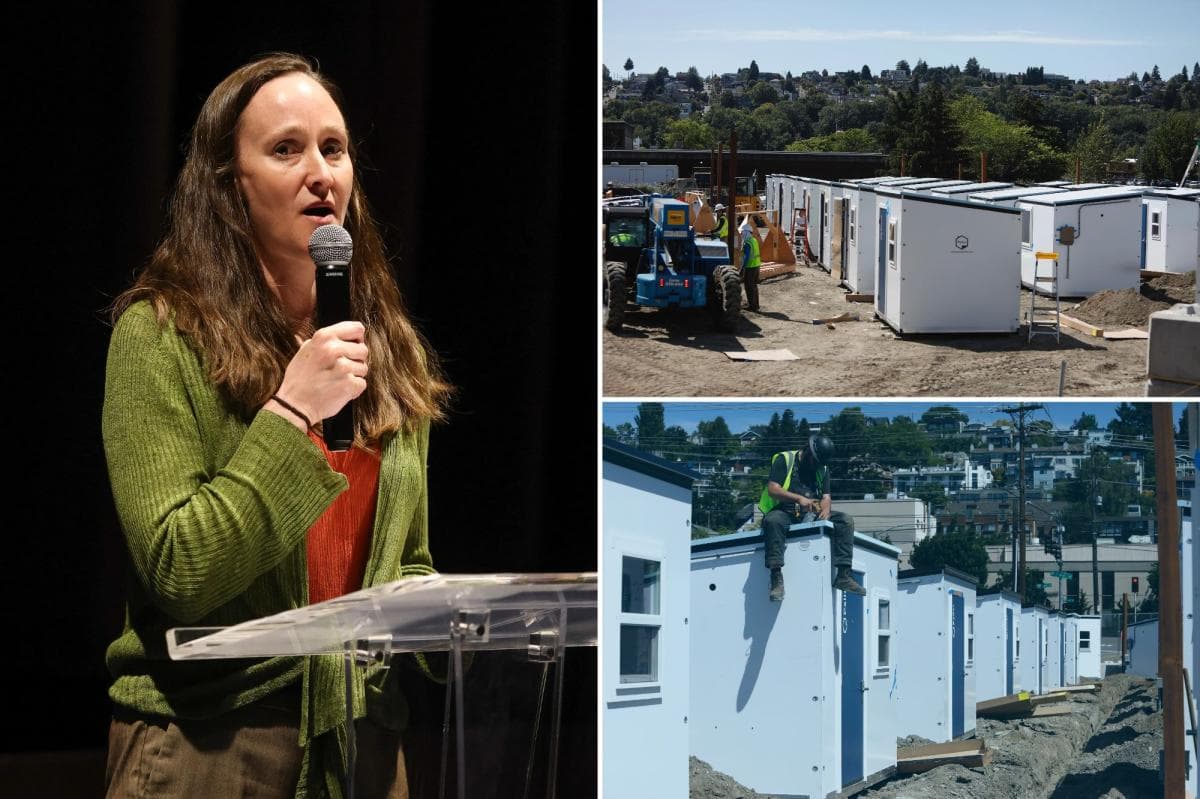
Seattle’s newest tiny-home shelter opened in Interbay with 75 individual units, each about 70 square feet, but the project arrived already buried in backlash. Critics have mocked the design as looking like drug dens or porta-potties, while the more serious objections center on whether the city can site, staff and manage these villages safely. Mayor Katie Wilson opened Bayside Enhanced Shelter on Sunday, June 7, as the first shelter in her Neighbor by Neighbor plan.
The shelter is aimed at adults experiencing chronic homelessness, including people with substance-use disorders and mental illness. City officials say Bayside is meant to work as a transitional step, with on-site resources intended to connect residents to permanent housing, treatment and employment. That framing matters in a city where tiny homes have become a familiar, and polarizing, tool for getting people indoors fast.

Seattle is not betting on a single village. The city is exploring additional tiny-home locations in South Park, including a planned 90-unit Cloverleaf Village, while the Seattle City Council has approved legislation to clear a legal path for larger tiny-house villages and put $5 million toward the first of 1,000 new shelter units Wilson says her administration will add this year. Earlier, Mayor Bruce Harrell said in July 2025 that Seattle would add more than 100 tiny houses through two villages with the Low Income Housing Institute.

The push comes against a backdrop that keeps the politics hot. LIHI says the latest Seattle/King County point-in-time count showed more than 15,000 homeless people, and it says Washington has more than 60,000 homeless individuals statewide. The gap between those numbers and the city’s shelter supply is exactly why tiny-home villages keep getting sold as a quick response, even when neighbors see them as a long-term burden.

Seattle has been here before. Interbay Village, LIHI’s separate tiny-house site in the city, opened in November 2017 and now has 76 units after an expansion and remodel. That history is the point: tiny homes are no longer a novelty in Seattle, so the question is not whether the units are cute or ugly. It is whether Bayside and the next villages can be managed well enough to look like shelter people trust, not just another flashpoint in a city still arguing over how to bring people inside.
This article was produced by Prism’s automated news system from verified source data, official records, and press releases, then run through automated quality and moderation checks before publishing. The system is built and supervised by the people who set the standards it runs under. Read our full AI policy.
Did this article answer your question?