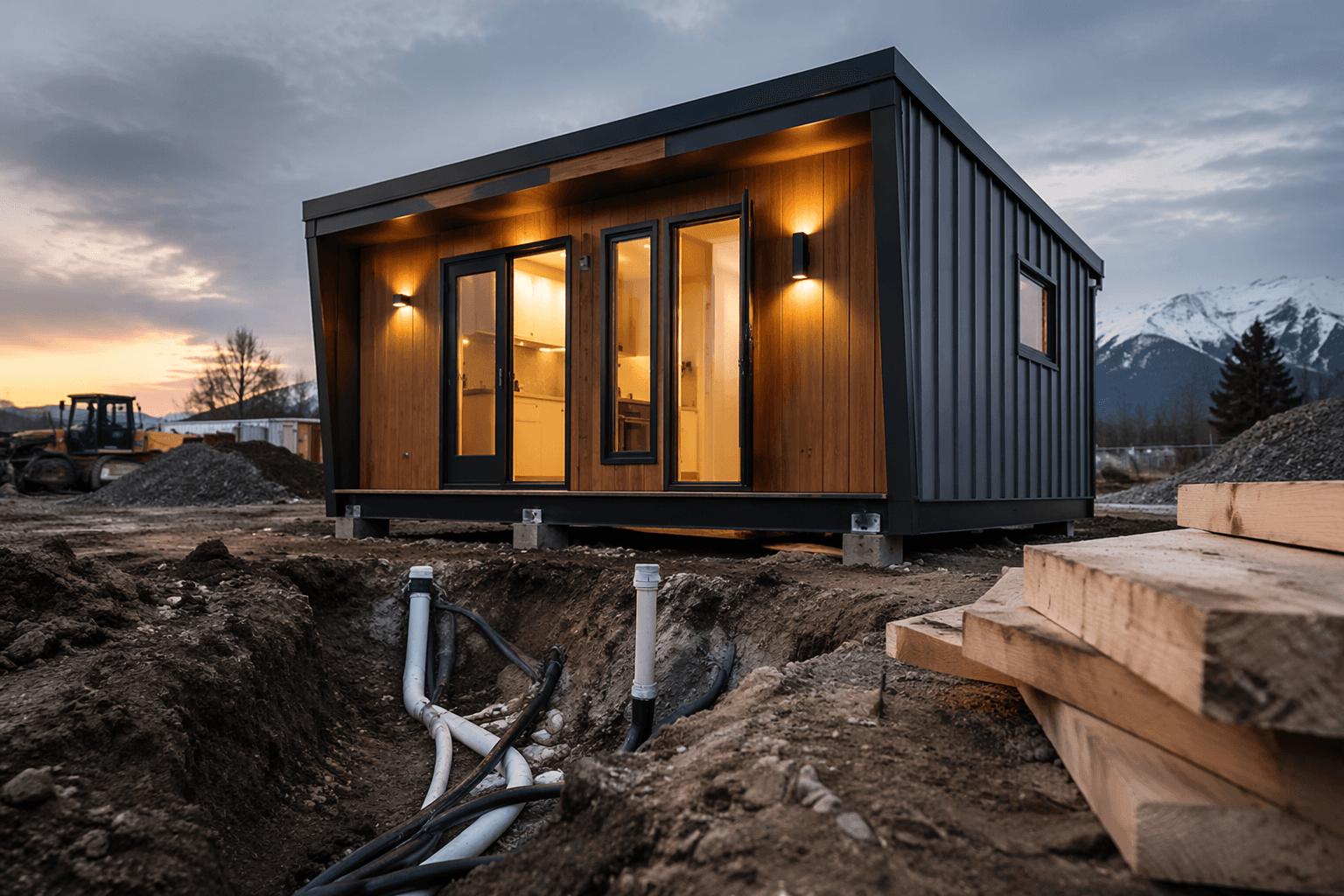
Seattle Plans 1,000 New Tiny House Units Ahead of FIFA World Cup
Seattle's mayor is targeting 500 tiny house shelter units by June 1, 2026, with 1,000 total for the year, driven in part by FIFA World Cup preparations.
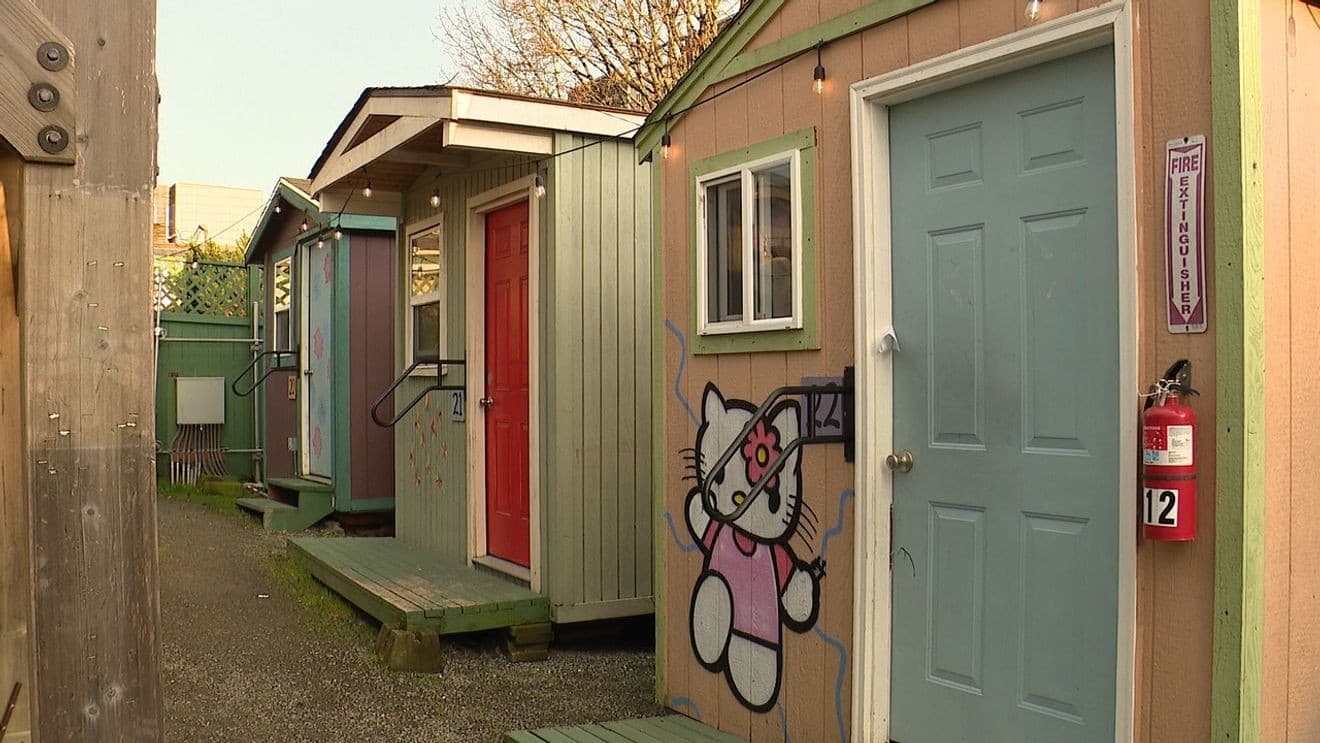
A hard deadline is forcing Seattle's hand on tiny house villages. The mayor's office told the City Council's Land Use and Sustainability Committee earlier this week that the city needs 500 new micro-modular shelter units operational by June 1, 2026, with a full-year target of 1,000 units, and FIFA World Cup preparations are part of what's driving the clock.
The briefing, delivered April 1, outlined proposals for legislation that would permit larger villages, accelerate permitting, and redirect $4.8 million from underutilized city funds into new shelter capacity. The mayor's January executive order on shelter and affordable housing creation was cited as the administrative backbone of the effort.
Nonprofit partners presenting alongside the mayor's office included the Low Income Housing Institute (LIHI), Purpose Dignity Action's CoLEAD program, and Evergreen Treatment Services. The materials explicitly pointed to Los Angeles as the model Seattle intends to follow, with Arroyo Seco Village named as the proven large-scale precedent the city is trying to replicate at scale.
The operational blueprint goes further than previous village expansions in the city. Every site would require 24/7 staffing, defined site boundaries, resident codes of conduct, and community advisory committees. The Seattle Police Department would conduct CPTED (Crime Prevention Through Environmental Design) reviews of lighting and access at each location. The city framed these safeguards as the core mechanism for gaining neighborhood acceptance of larger villages, a lesson drawn directly from community opposition seen in other jurisdictions.
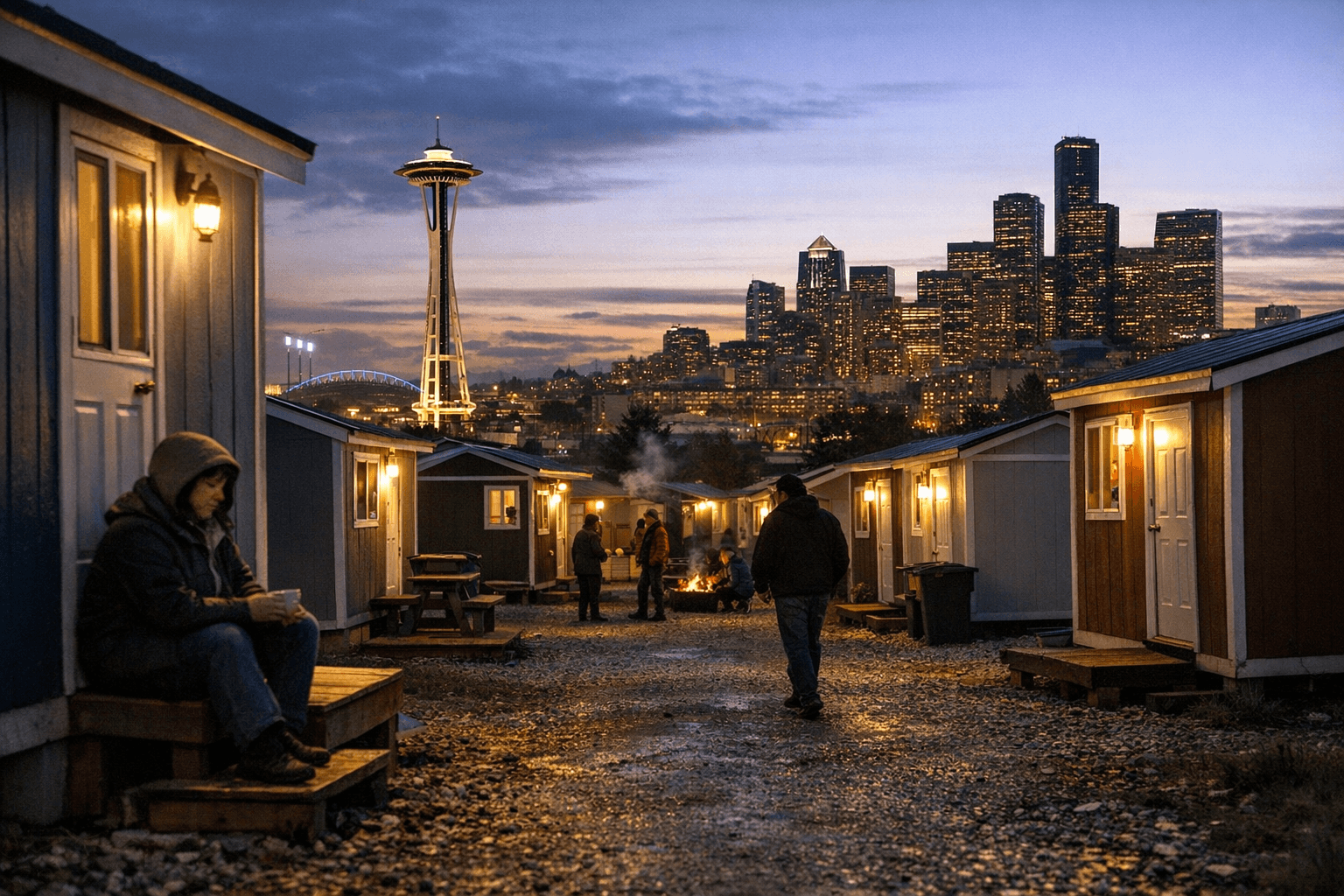
Site selection is where this plan will face its real friction. The briefing materials acknowledged that many proposed locations will require close attention to public-safety, environmental, and neighborhood coordination measures, and governance questions around permitting transparency and community engagement in site selection remain unresolved.
The underlying policy tension is familiar to anyone who has followed the tiny house movement closely. Critics argue that scaling temporary shelter pulls funding and political will away from permanent supportive housing, the only real structural exit from homelessness. Proponents counter that micro-modular villages can be operational in a fraction of the time it takes to break ground on traditional affordable housing. Seattle is making a public bet that speed matters right now.
With $4.8 million committed and a June 1 interim target on the record, the city has eight weeks to prove it can convert a council briefing into 500 functioning units. The World Cup schedule does not move.
This article was produced by Prism’s automated news system from verified source data, official records, and press releases, then run through automated quality and moderation checks before publishing. The system is built and supervised by the people who set the standards it runs under. Read our full AI policy.
Did this article answer your question?