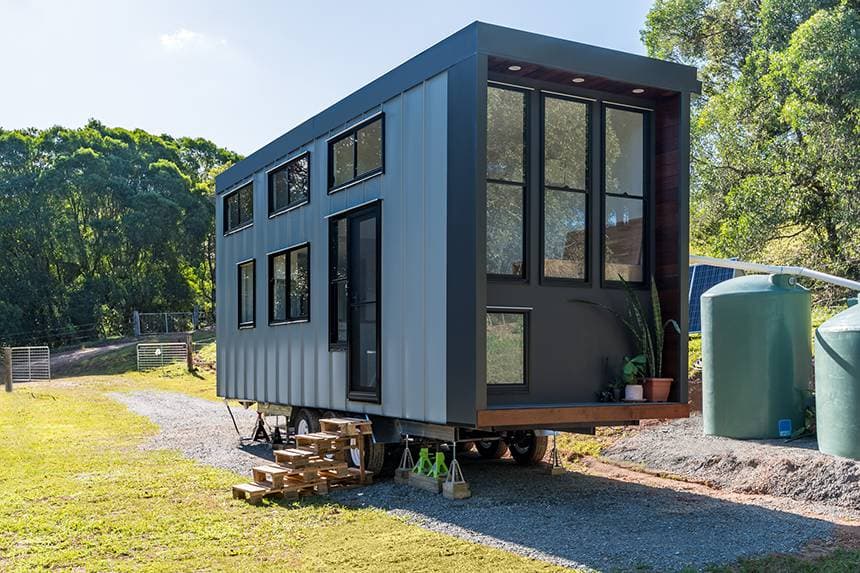
Seattle tiny home villages get mobile addiction treatment support
Seattle’s new Layne Staley mobile unit brought opioid treatment to tiny home villages, turning shelter sites into on-site care hubs for residents who struggle to reach appointments.
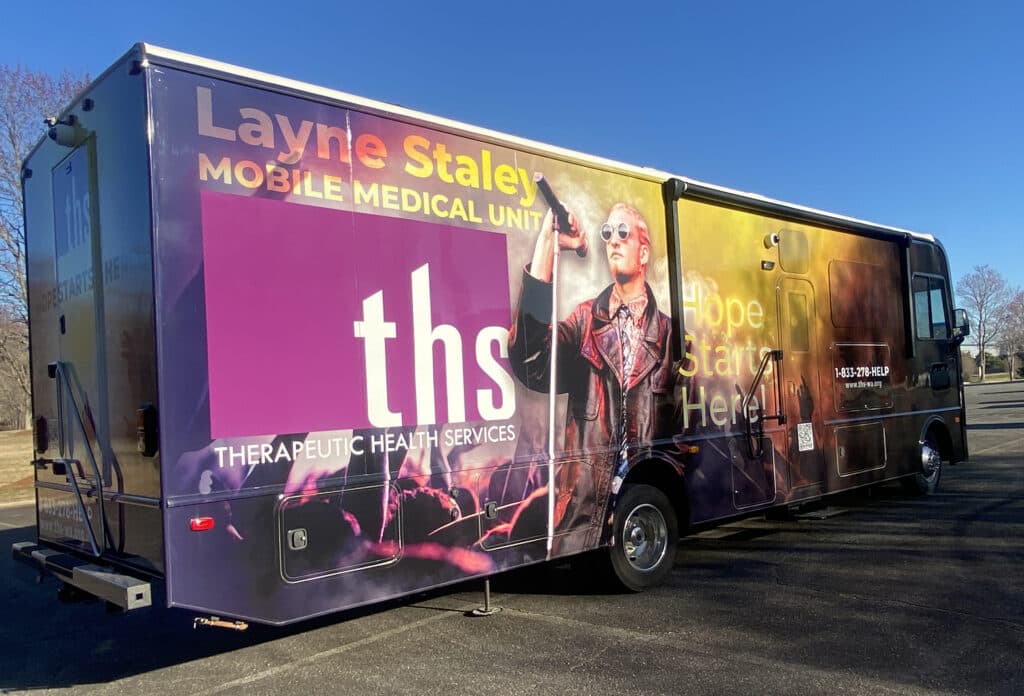
At THS’s Summit/Seneca branch, a Friday ribbon-cutting marked a move Seattle’s tiny home village operators have been pushing toward for years: addiction treatment that shows up at the village instead of making residents chase it across town.
Therapeutic Health Services said the Layne Staley Mobile Medical Unit was generously funded in part by the Layne Staley Memorial Fund and would deliver medication-assisted treatment for opioid addiction to residents of tiny home villages operated by the Low Income Housing Institute in the greater Seattle area. THS, which describes itself as Washington’s leading nonprofit provider of addiction recovery and mental health care, has built much of its work around methadone and other addiction services. The new unit extends that model onto wheels.
The service model matters because LIHI is not running a small pilot network. The organization says it operates 17 tiny house villages across Seattle, Tacoma, Skyway, and Tukwila, making it one of the largest providers of tiny house village shelters in the nation. Seattle also said in July 2025 that it would add more than 100 new tiny houses through two new villages, and each one was planned with onsite supportive services for chronically homeless residents. That is the real shift here: tiny homes are being used less as bare-bones shelter and more as a stable base for care.
That approach fits the public health problem Seattle is trying to solve. King County says overdoses are the leading cause of preventable injury death in the county, and people living unsheltered are disproportionately affected. Washington’s Health Care Authority has already been funding that reality into policy through its HOST program, authorized in 2021, which supports outreach-based treatment teams that can provide behavioral health, medical, rehabilitative, and peer services in the field for people with serious behavioral health challenges, including substance use disorder.
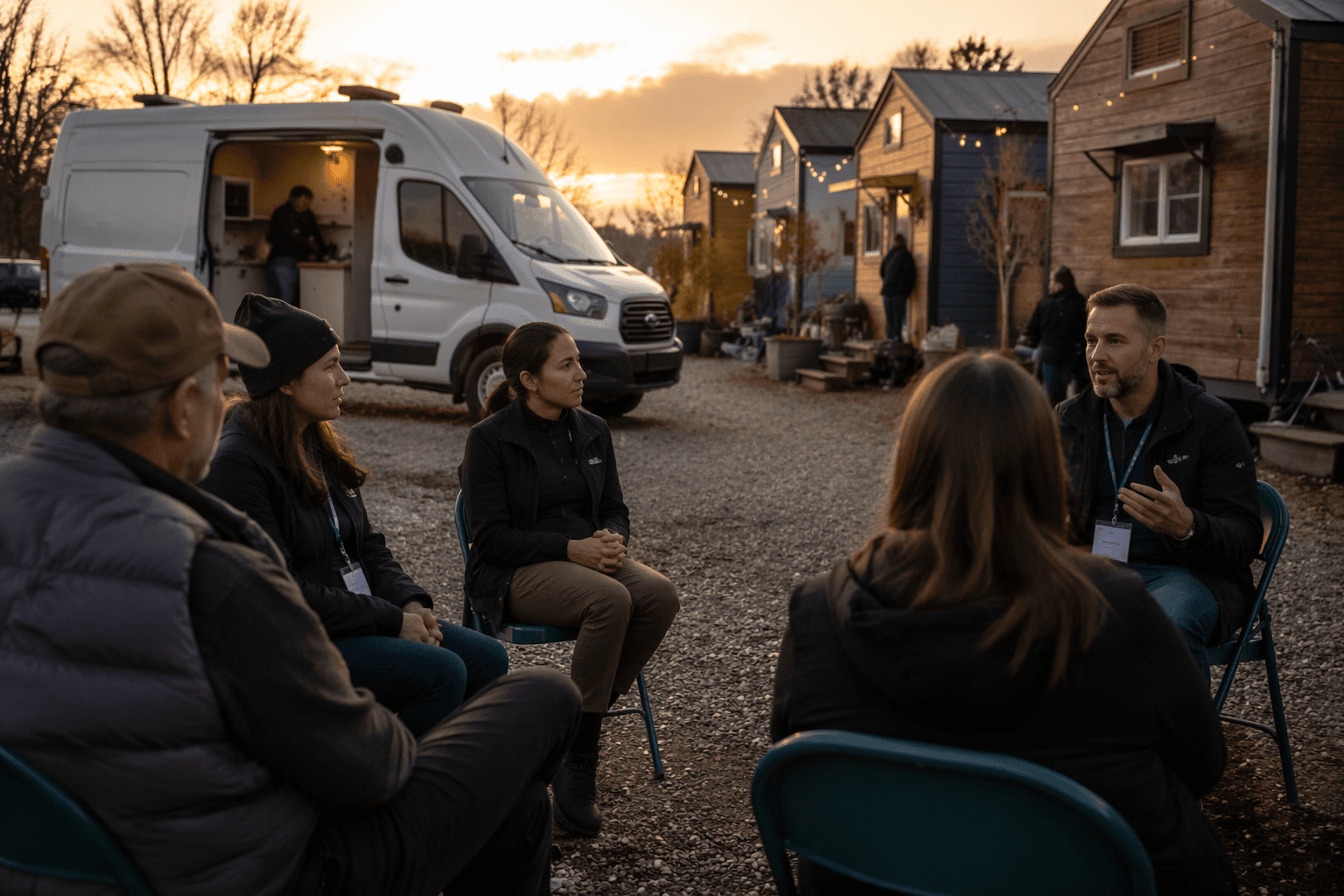
Seattle already has examples of what this looks like on the ground. Harborview Medical Center’s Mobile Health Outreach program provides bridge-to-care services to residents of two Seattle tiny house villages in partnership with LIHI. The Layne Staley unit does not invent the model, but it does widen it, putting opioid treatment directly into villages where residents are already sleeping, stabilizing, and trying to hold onto recovery.
The naming also ties the effort to Seattle’s own recovery history. Layne Staley, the late Alice in Chains frontman, remains a powerful local symbol, and the memorial fund bearing his name helped underwrite the unit. That leaves Seattle with a practical test case other cities can copy: if tiny home villages are going to function as more than a roof, they need care that rolls up to the front gate, not a bus transfer away.
This article was produced by Prism’s automated news system from verified source data, official records, and press releases, then run through automated quality and moderation checks before publishing. The system is built and supervised by the people who set the standards it runs under. Read our full AI policy.
Know something we missed? Have a correction or additional information?
Submit a Tip