Simplify Further’s Rasa tiny house aims to make small living affordable again
The Rasa stuffs two lofts, a sofa-bed living room, and a full bath into 224 square feet, forcing a real test of livability in a tiny footprint.

Simplify Further’s Rasa makes a bold pitch: can 224 square feet really carry family use, guest stays, and rental income without feeling cramped? At 20 feet long, 8 feet wide, and 13 feet 6 inches high, the bumper-pull, double-axle build is highly towable by tiny-house standards, but its real draw is the way it tries to turn a very small shell into a workable layout.
The answer starts in the sleeping plan. Simplify Further says the Rasa sleeps four to six people with two loft bedrooms and a sofa bed in the main living room. The lofts measure 7 feet by 8 feet and 7 feet by 5 feet, with 36 inches of headroom on the low side and 6 feet 4 inches of height under the lofts. That gives the lower level enough standing room to move without constant ducking, but the lofts still read as sleep-first zones, not sprawling private suites. For a weekend cabin, guest-heavy tiny home, or backyard ADU, that may be exactly the point. For full-time family life, circulation will depend on whether the occupants are willing to live in tight, highly choreographed spaces.
The kitchen and bath are built for practical turnover rather than showpiece living. Simplify Further lists a sink, induction cooktop, small fridge, and cabinetry in the kitchen, while the bathroom includes a walk-in shower, vanity sink, and flushing toilet. The main level can also be configured with built-in barstool seating or extra kitchen cabinets, a choice that says a lot about the Rasa’s priorities: either keep a social perch in the living area or trade it for more storage. In a house this small, that tradeoff is the story.
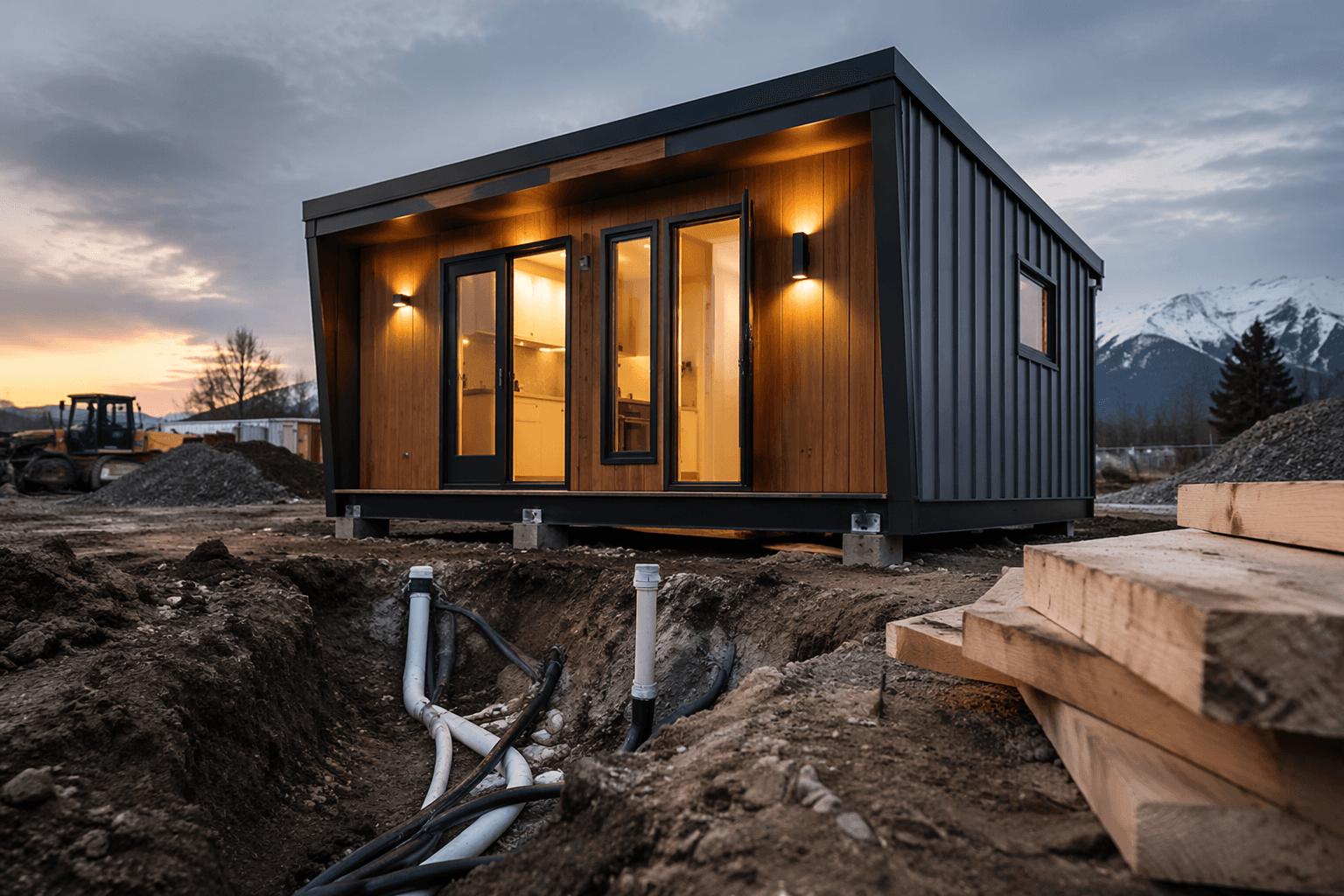
The finishes help the Rasa feel more settled than makeshift. New Atlas noted drywall, vinyl flooring, and a pine tongue-and-groove ceiling, while the exterior mixes engineered wood, board-and-batten detailing, stained pine accents, and a metal roof. That combination gives the model a cleaner, warmer look than many entry-level tiny builds, which matters if it is going to live as a backyard rental or a compact retreat rather than a permanent family base camp.
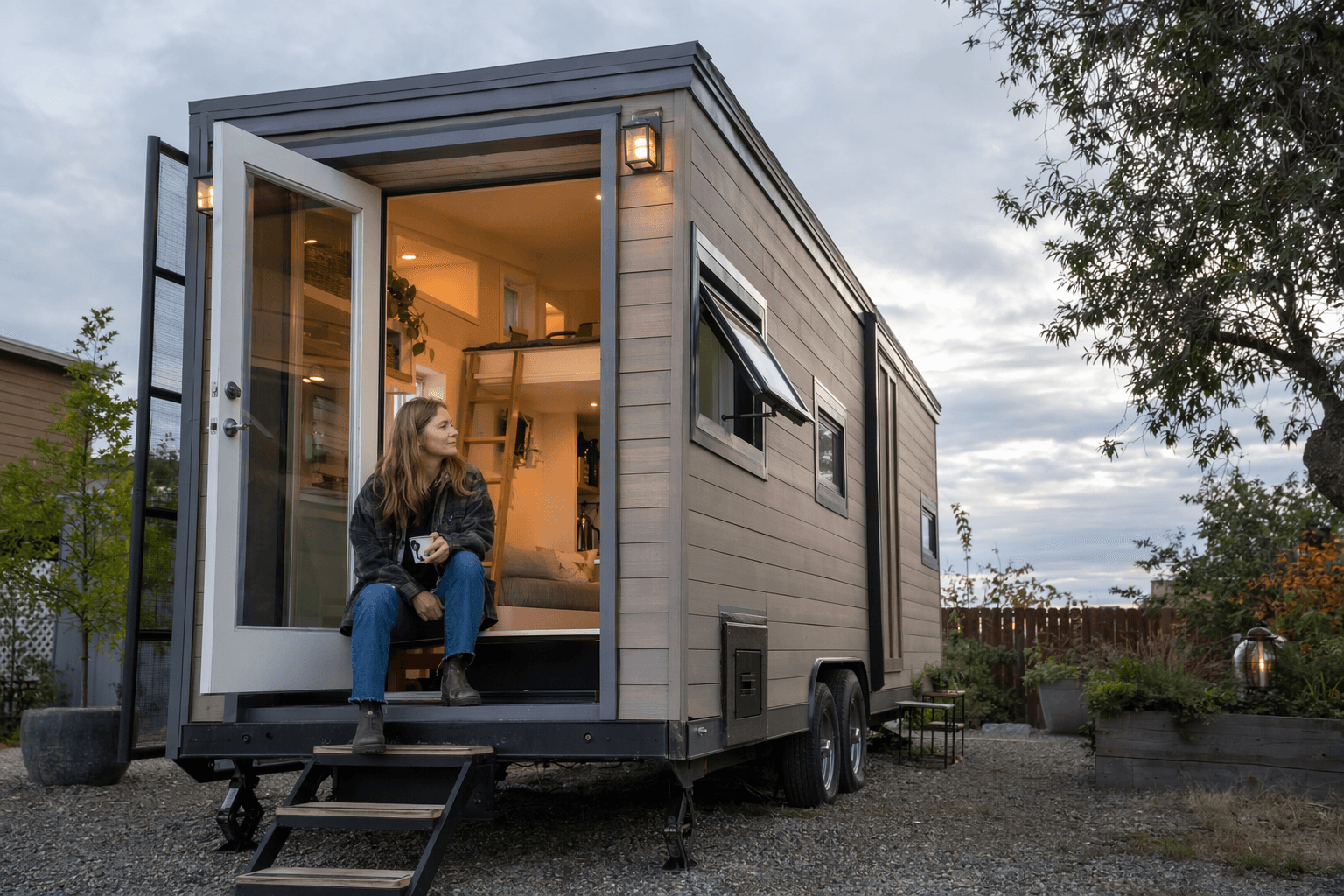
Simplify Further says the Rasa was developed after three years of hosting tiny homes on Airbnb and 16 Airbnb listings, and the builder describes it as a “5-Star Airbnb Model” designed to maximize profit and return on investment. That background explains the layout choices, from the simple flow to the easy-clean interior. It also explains why the model feels aimed squarely at owners who need a tiny house to earn its keep.
Pricing has kept the Rasa in the more accessible end of the market, with recent listings citing figures around $40,000, $45,000, $47,000, and $55,000 depending on configuration or seller. Simplify Further says it has built more than 100 tiny homes nationwide, won three awards at the Florida Tiny Home Festival, and operates as a NOAH-certified builder with BBB accreditation. The Rasa does not solve the space problem, but it does make a convincing case that compact living can still be functional, towable, and affordable enough to matter.
This article was produced by Prism’s automated news system from verified source data, official records, and press releases, then run through automated quality and moderation checks before publishing. The system is built and supervised by the people who set the standards it runs under. Read our full AI policy.
Did this article answer your question?