West Virginia Family Builds Train-Themed Tiny House for Autistic Son
A West Virginia couple built a train-themed tiny house for their autistic son Bobby, turning their backyard into a safer step toward independence.
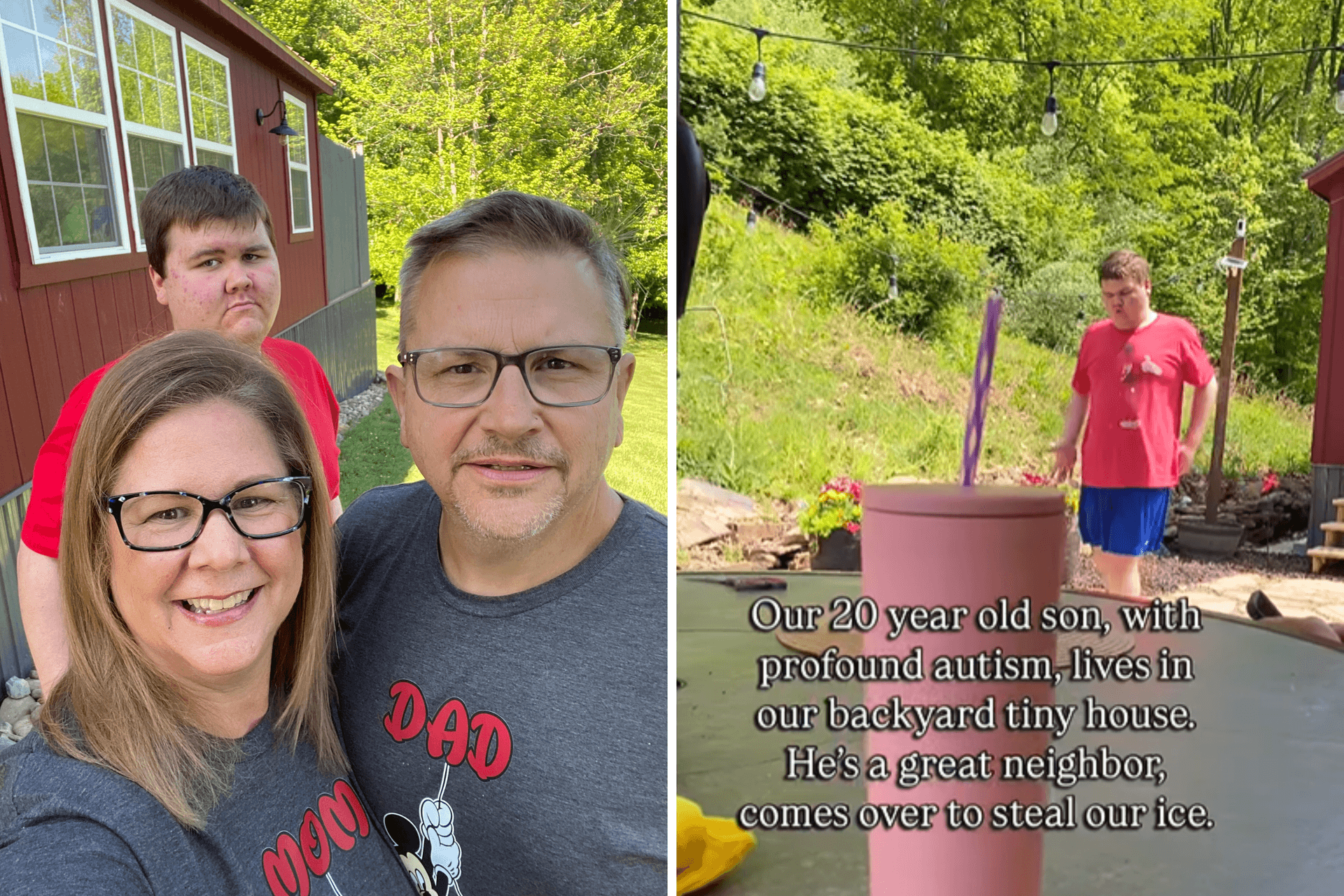
Cheri and Bob Smith turned a backyard build into a working support system for their 21-year-old son, Bobby, with a tiny house designed around his routines, his safety and his love of trains. The finished home does more than add square footage. It gives Bobby privacy and dignity while keeping him close enough for family support, a middle ground many tiny-house owners will recognize as the real value of a custom build.
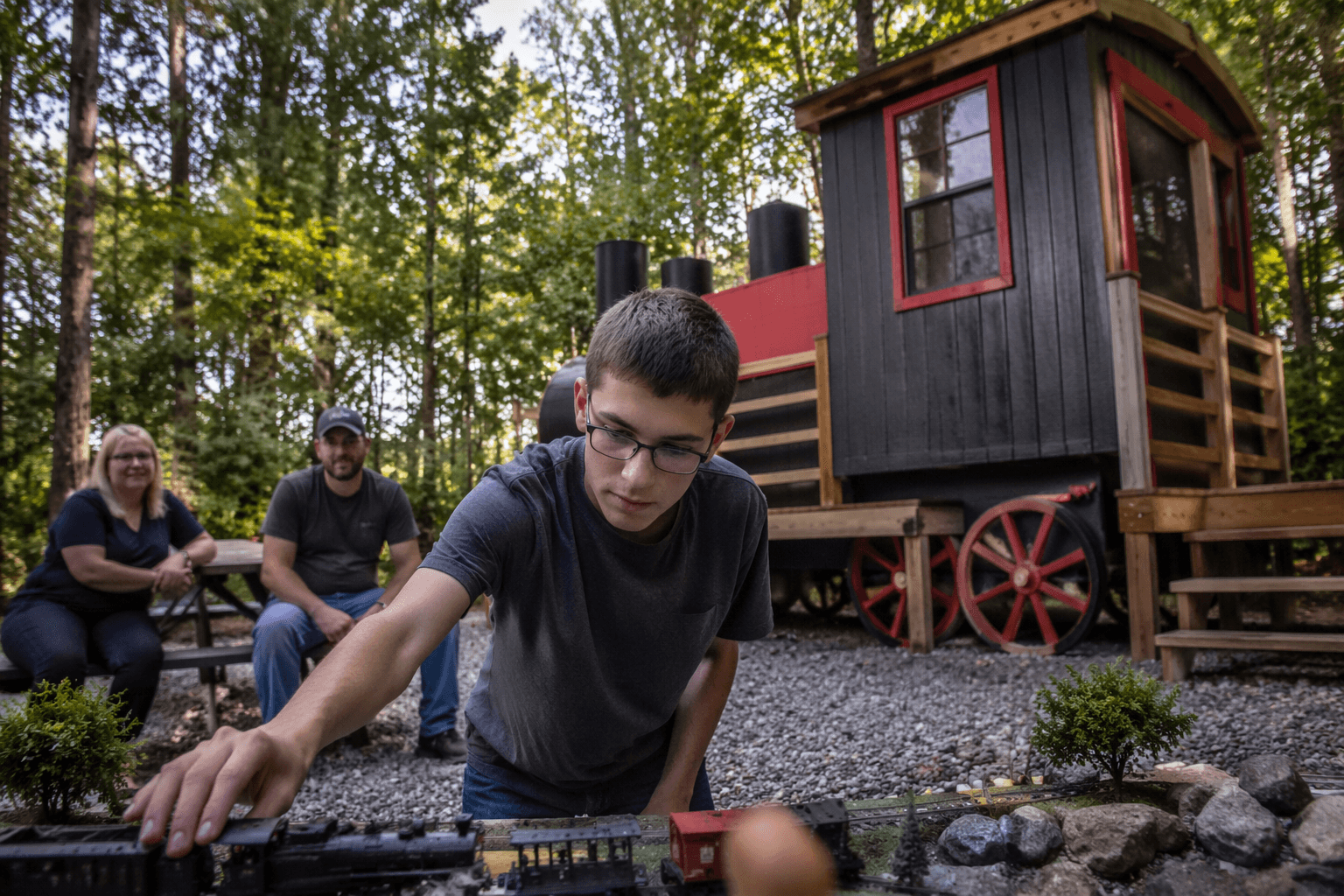
The exterior makes that purpose obvious. A caboose from a train ride Bobby loved anchors the train theme, the siding carries a red color scheme drawn from his favorite shirts, and a sign reading Train Tickets hangs above the entrance. The house has been in use for more than a year, and the personal details make it feel built for one person’s daily life rather than a generic accessory dwelling.
Bobby was diagnosed with autism at age 2, and he also has an intellectual disability, obsessive-compulsive disorder and a seizure disorder. The idea for the backyard home came after the COVID-19 lockdown disrupted the family’s routines and made Bobby’s OCD rituals harder to manage. Cheri and Bob Smith considered residential treatment and a larger house before settling on a smaller, more controlled solution they could place right behind their own home.
The timing moved quickly once the design started. The structure arrived four weeks after the process began, and Bobby moved into the tiny house on August 11, 2024. A May 13 Instagram video from the family drew more than 117,000 likes, showing how strongly the project resonated with families looking for autism-friendly housing ideas that preserve independence without losing oversight.
Inside, the layout stays simple and deliberate. The bathroom sits just to the right of the entrance and includes a vanity sink, toilet and shower with natural light from a window. The living room has a storage sofa plus a desk and chair for productive time. The hidden kitchen includes a microwave, fridge, sink, cabinets and shelves, but no oven or cooktop, a safety choice that fits Bobby’s needs. A partial wall and hooks separate the living area from the bedroom, where Bobby has a single bed and ceiling fan, and he also has his own deck for quiet time outside.
A later family TikTok tour added two more details that matter in a support setting: Bobby has his own ice maker, and a security camera is part of the setup. The family has said his anxiety and anger have decreased and his eating has improved since the move, with one later account reporting no meltdowns. That makes this tiny house less of a novelty and more of a practical model for backyard independence.
The broader housing picture helps explain why the project stands out. The CDC says about 1 in 31 U.S. children aged 8 were identified with autism in 2022, and the Autism Society describes independent living for autistic adults as living in their own apartment or house with little, if any, outside support. In West Virginia, the Autism Services Center serves about 250 people across several counties, while West Virginia University’s Center for Excellence in Disabilities launched an autism resource directory and interactive map in April 2024. For families weighing the next step, the Smiths’ build shows how a tiny house can be shaped into supportive housing, not just a compact home.
This article was produced by Prism’s automated news system from verified source data, official records, and press releases, then run through automated quality and moderation checks before publishing. The system is built and supervised by the people who set the standards it runs under. Read our full AI policy.
Did this article answer your question?