Australian Horticulturist Builds Tiny House Inside a Massive Greenhouse
An Australian horticulturist turned a 3,229-square-foot greenhouse into a tiny-home farm, selling produce locally while solving condensation and winter comfort.

Rainer Oberle did not just drop a tiny house into a pretty glass shell. He built a home inside a 3,229-square-foot commercial greenhouse at Planet Bee in Salt Water River, Tasmania, turning the whole property into a working food-producing system that also brings in income. Vegetables, herbs and seasonal crops are grown on site and sold locally, including to a restaurant, so the setup functions as both a home and a small agricultural business.
The idea sat with Oberle for decades before he acted on it. He has spent 45 years working with plants, and the spark goes back to the early 1980s, when he was in the Netherlands and heard about someone living in a greenhouse. That stopped being a curiosity and became a long-term concept. Oberle later described the Netherlands as the “mecca of horticulture,” and his career path ran through that country before he brought the greenhouse-living model to Australia.
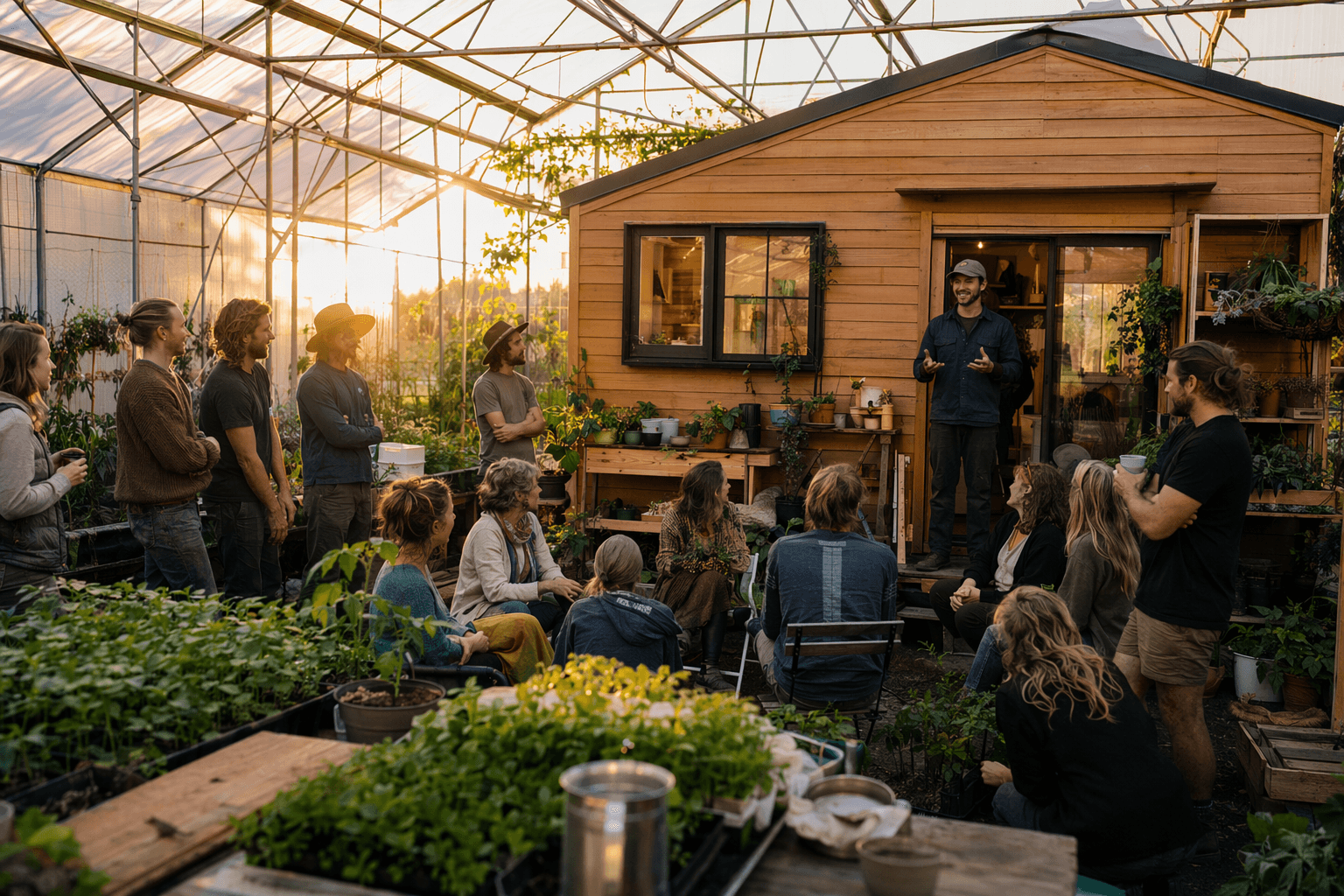
What makes this version interesting for tiny-house readers is the way it tackles the ugly side of glasshouse living. Condensation, heating and cold-weather comfort are the real tests, not the fantasy of sitting among tomatoes in winter. Oberle addressed those problems with a controlled environment system, moisture-proof construction, roof ventilation and double-glazed windows. The tiny house itself uses exposed timber inside and out, and a climbing fig helps shade the structure and regulate temperature naturally. That is the kind of detail that separates a serious build from a novelty project.
The interior stays practical. A front porch holds a chair, a bookcase and a washing machine, small choices that make the space feel lived-in rather than staged. The greenhouse around it gives the house a sheltered microclimate and ties daily life directly to production, which is the real economic upside here. Instead of buying into the usual tiny-house script of minimal square footage and maximum compromise, Oberle built a home that helps support food growing, local sales and climate control at the same time.
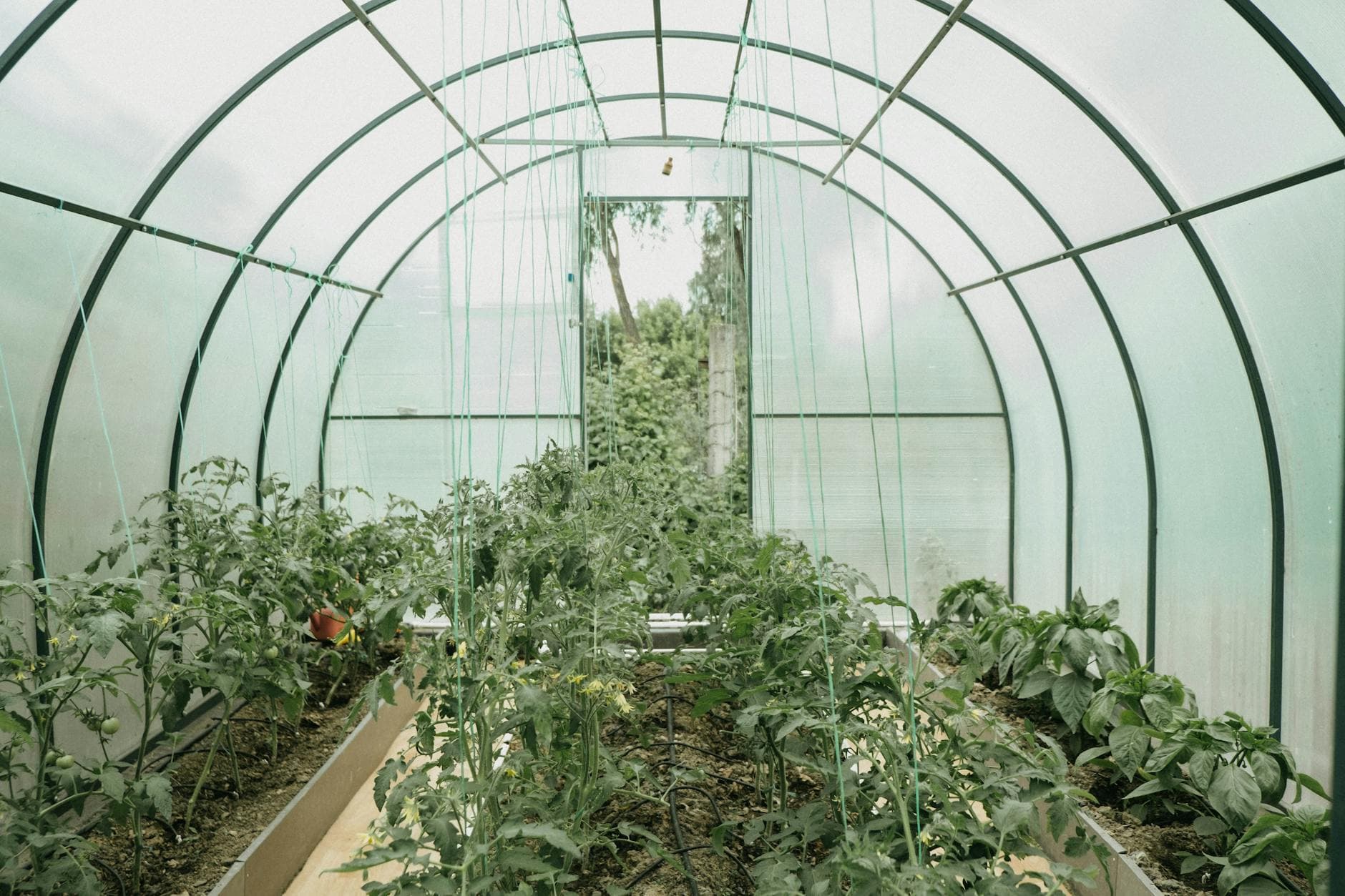
There is also a clear precedent behind the project. The greenhouse-living concept has long been associated with Sweden’s Naturhus, or Nature House, ideas traced back to architect Bengt Warne in 1976. Those designs use a greenhouse shell to create a milder microclimate and support plant growth, along with waste or water recycling systems. Oberle’s Tasmanian build follows that same logic, but with an Australian horticulturist’s practical edge. It looks less like a one-off stunt than a proof of concept for anyone thinking about tiny houses as productive land-use, not just compact shelter.
This article was produced by Prism’s automated news system from verified source data, official records, and press releases, then run through automated quality and moderation checks before publishing. The system is built and supervised by the people who set the standards it runs under. Read our full AI policy.
Did this article answer your question?