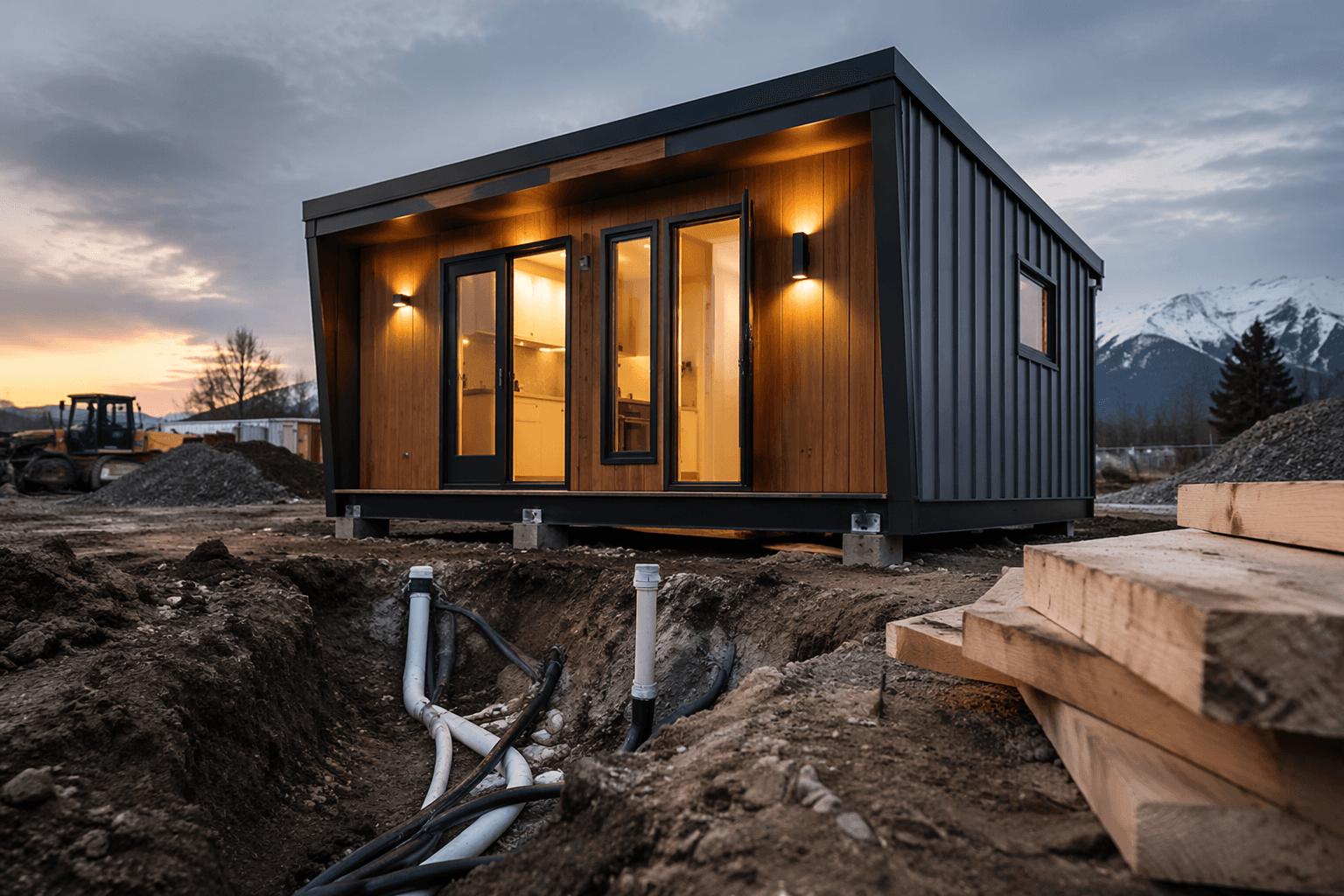
Sussex County drafts tiny-house rules with consultant help
Sussex County is turning tiny houses into code: a consultant will help rewrite a 20-year-old housing program and draft rules that could finally make them legal.
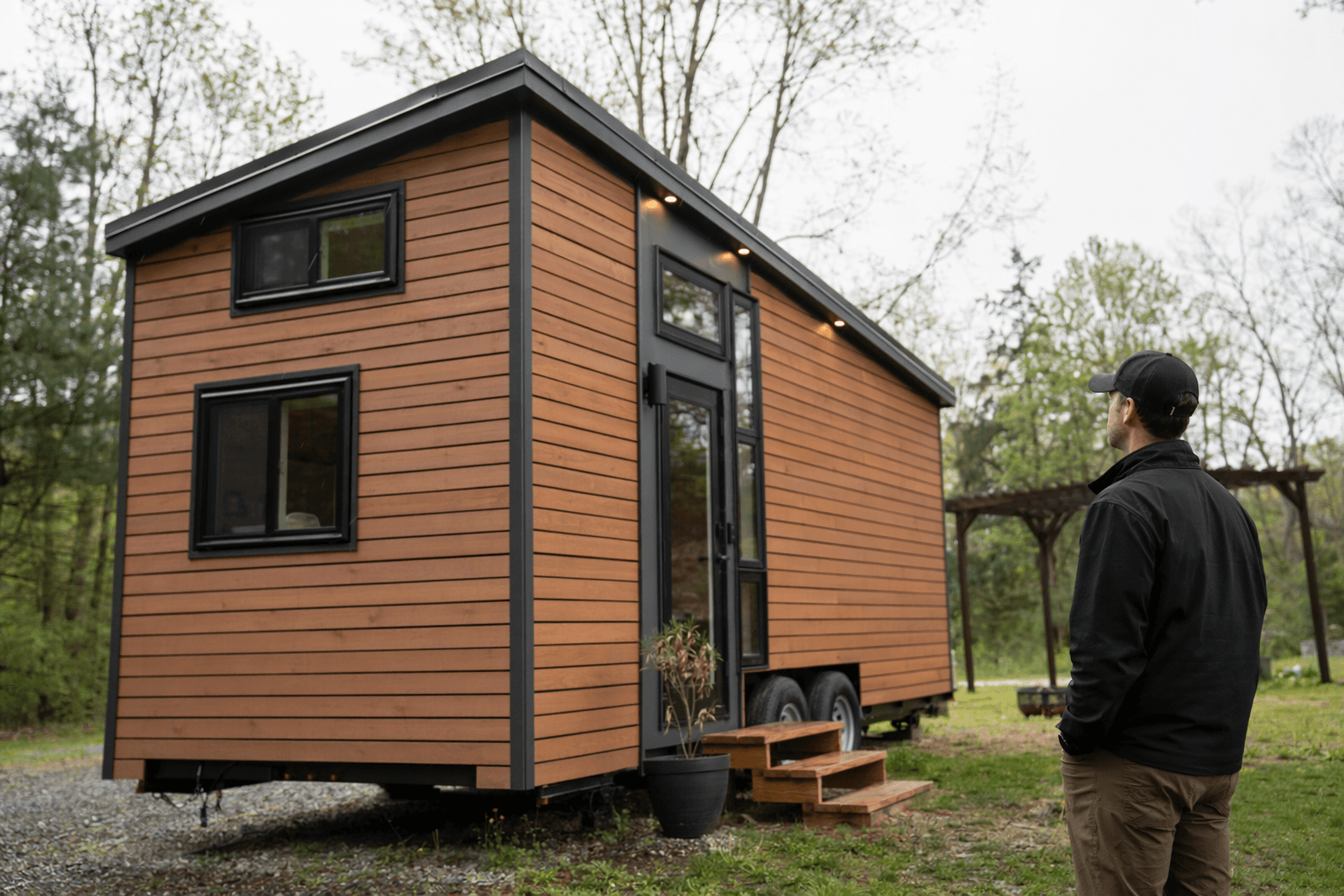
Sussex County is moving tiny houses from a niche idea into the county code, working with McCormick Taylor to rewrite a 20-year-old affordable homeownership program and draft rules for tiny-house developments. For builders, landowners and buyers, that means the difference between a project that has to be negotiated parcel by parcel and one that can move through a clearer zoning path.
The county is not starting from scratch. Sussex already has a tiny-home requirements document on its website that defines tiny homes as 400 square feet or less, excluding lofts, and says they must comply with the Sussex County Code, the 2021 International Residential Code and the 2018 International Energy Conservation Code. The document also requires a permanent foundation. That leaves the big question the consultant now has to answer: how those standards fit into zoning, lot layout, utilities and approvals for actual developments.
McCormick Taylor was selected through the Delaware State Housing Authority’s zoning and land-use reform pilot program, which launched Sept. 18, 2025, and named nine jurisdictions on Feb. 26, 2026. Sussex County is one of them, alongside Bridgeville, Dover, Georgetown, Laurel, Lewes, Milford, Newark and Rehoboth Beach. The state said the chosen local governments would receive free technical assistance to modernize zoning and land-use codes and open the door to more housing types.
That matters in Sussex because the county’s housing conversation has already been building for years. McCormick Taylor helped facilitate the Sussex County Land Use Reform Working Group, a 10-member advisory panel that released 20 recommendations in September 2025. Those recommendations were shaped around growth pressure, infrastructure capacity, housing affordability and farmland preservation, all of which are now part of the tiny-house debate too.
County staff have said the old affordable homeownership program was created during the 2005-2006 housing bubble, but developers never really used it, and revisions in 2007 and 2013 did not solve the problem. The tiny-house rewrite is now part of that broader overhaul. Sussex County Council also approved an ordinance expanding accessory dwelling units on June 25, 2024, showing the county has already started loosening some housing rules before turning to compact homes.
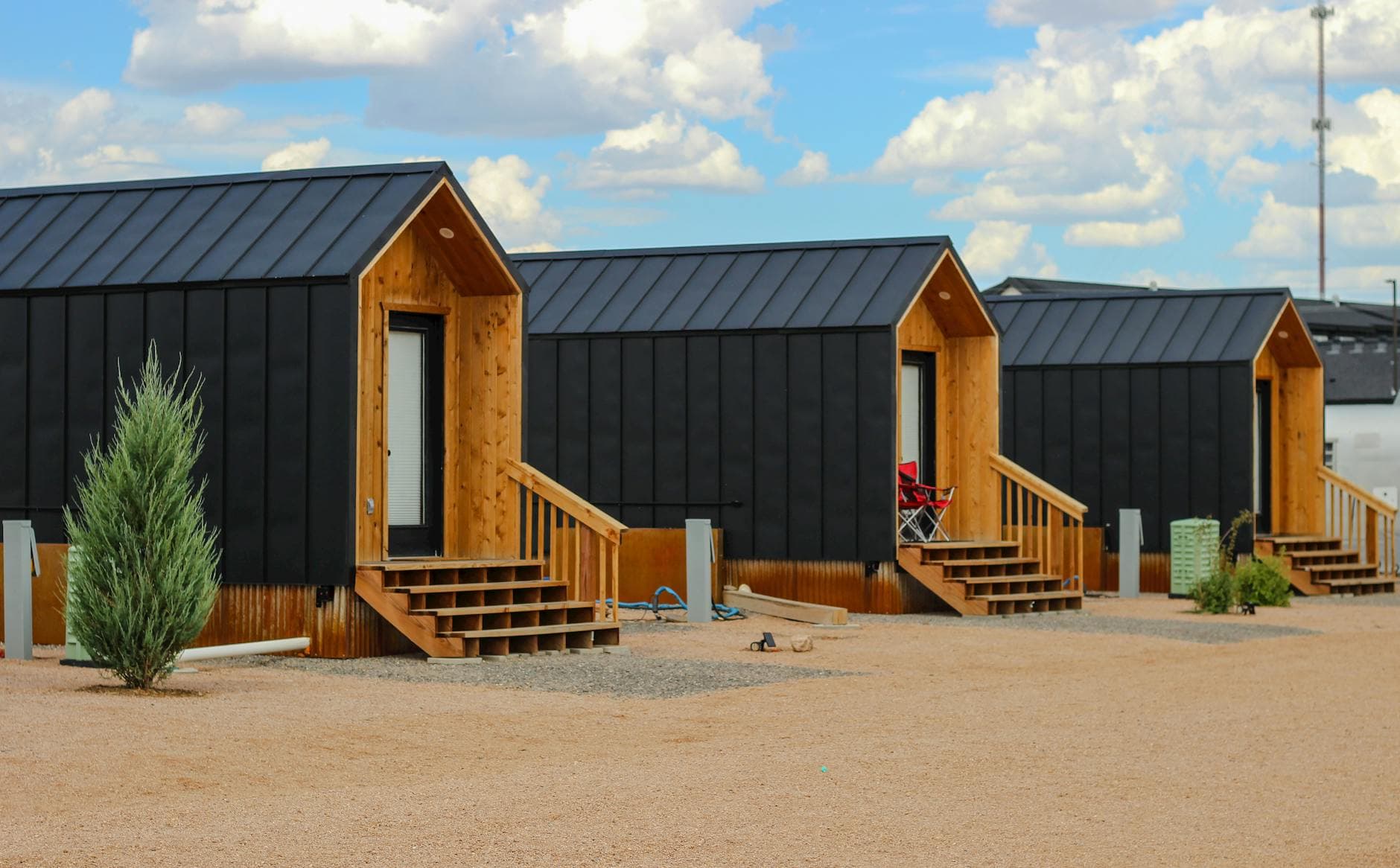
Work on the draft tiny-house rules is scheduled to begin this month and wrap by March 2027, with public hearings expected before final council action. If the draft goes in the more permissive direction, tiny homes could become a real development option in Sussex County rather than an exception. If it stays narrow, buyers and landowners may still face a code path that exists on paper but is too tight to use.
This article was produced by Prism’s automated news system from verified source data, official records, and press releases, then run through automated quality and moderation checks before publishing. The system is built and supervised by the people who set the standards it runs under. Read our full AI policy.
Did this article answer your question?