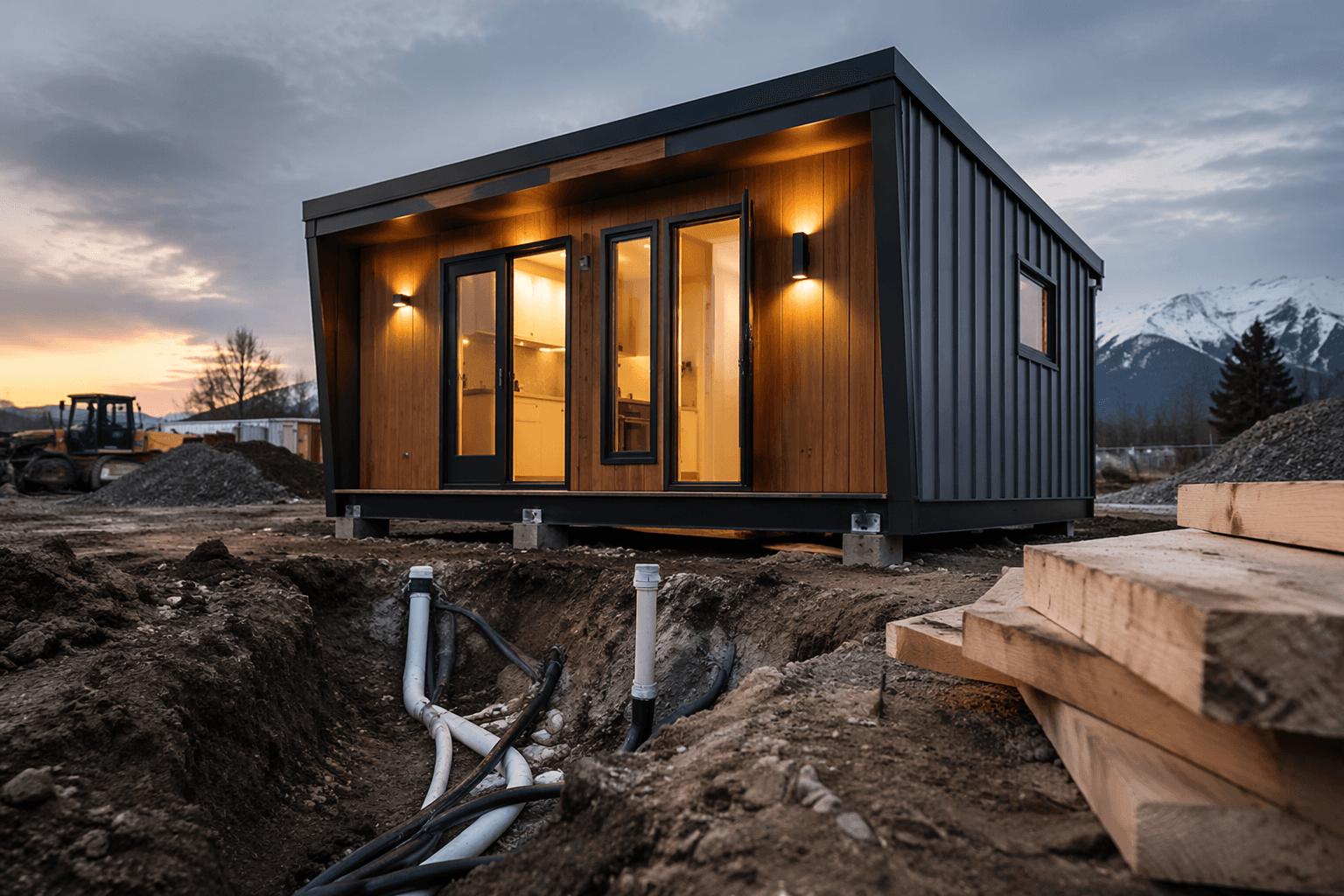
Clayton’s Buttercup tiny home debuts as its most affordable mini model
Clayton’s Buttercup is the new TRU Mini floor plan that tries to keep tiny living within reach at 408 square feet, but delivery and setup still push the real price up.
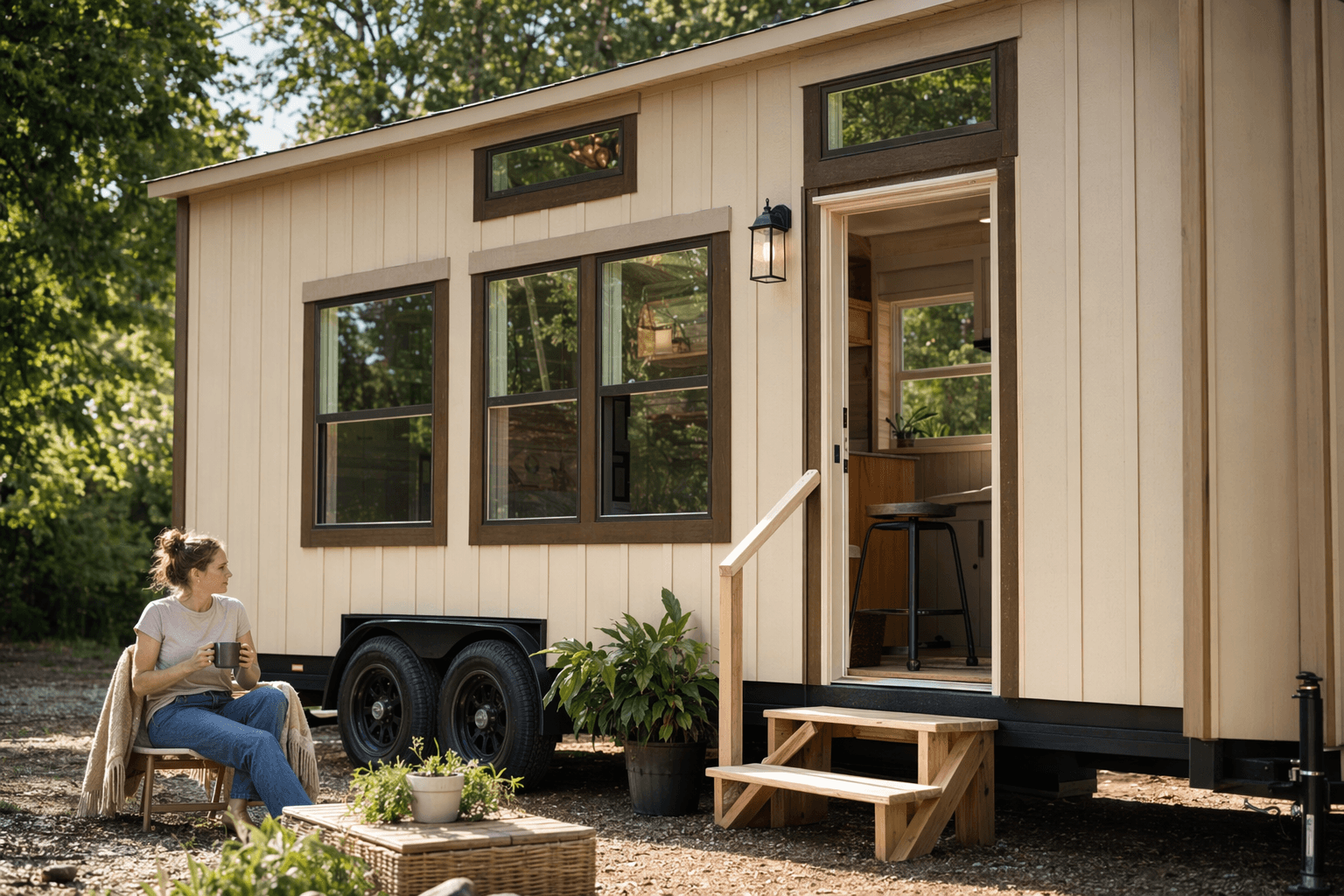
Clayton’s newest mini home lands as the smallest rung on its pricing ladder: the TRU Buttercup, a 408-square-foot model on a 12-by-36-foot footprint, was unveiled at the 2026 Biloxi Manufactured Home Show as the first look at the TRU Mini series. Clayton is pitching it as its “most attainable” housing solution yet, and that word matters more than the fresh finishes.
At 1 bedroom and 1 bath, Buttercup is the model for people who can truly live small without pretending it is a full-size house in disguise. The layout is tighter than the larger TRU Mini Tulip, which comes in at 544 square feet, so the Buttercup is better suited to a single buyer, a couple willing to downsize hard, or anyone using it as a secondary unit. The kitchen spec leans practical rather than showy: Frigidaire appliances, DuraCraft cabinets, and modern rolled-edge countertops.
The affordability test is where the headline gets real. Clayton says the advertised price is only a starting point, with the final cost changing based on features, location, delivery, setup, taxes, and land-improvement work. Clayton’s own Buttercup listing also notes that taxes, delivery, and installation are not included in the base price. That is the part buyers have to run the numbers on before they get swept up in the idea of a cheap tiny home.
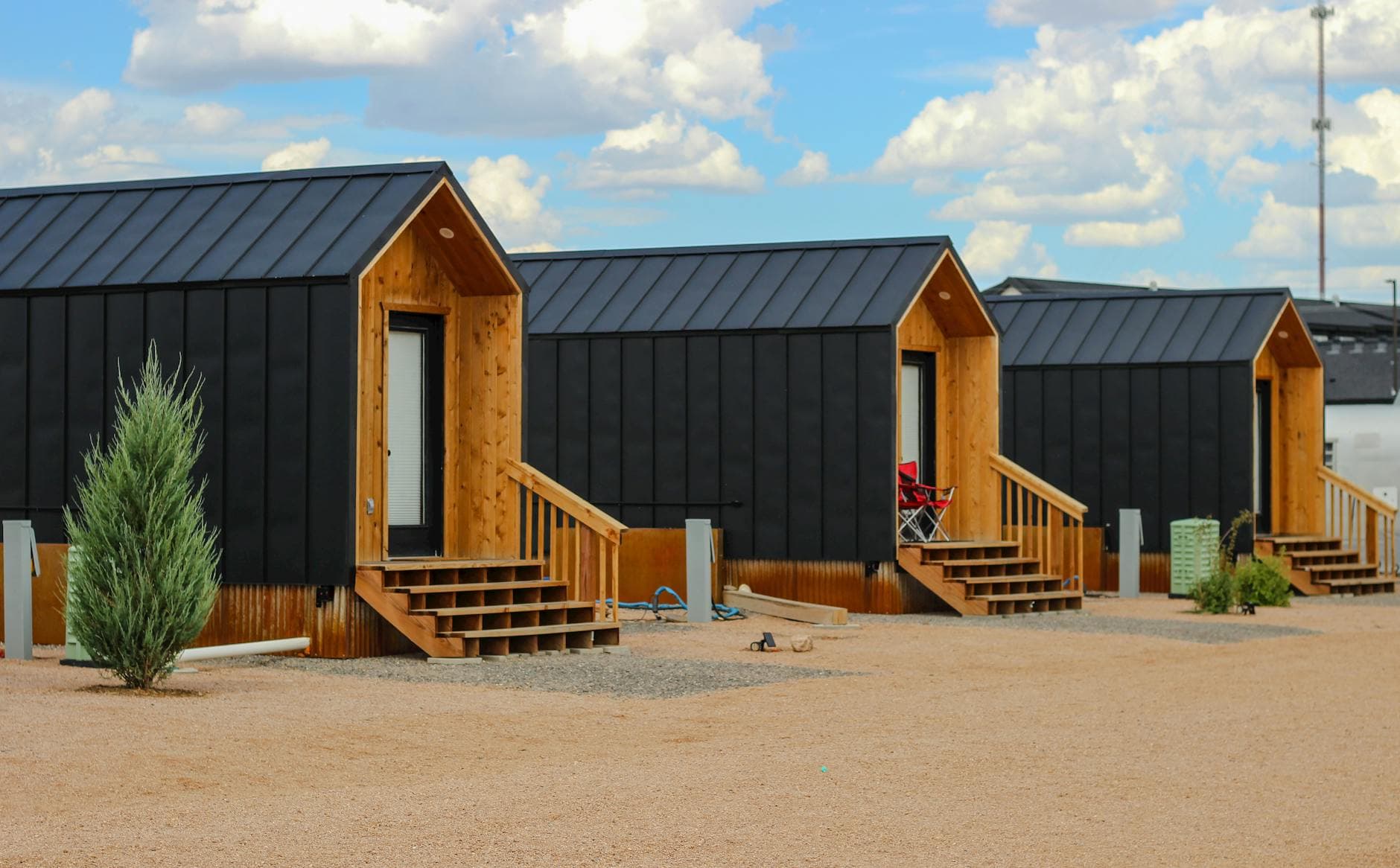
Clayton is also trying to place Buttercup inside a much bigger housing story. The company says TRU has helped more than 100,000 customers achieve homeownership since the brand launched in 2012, and Clayton says it built more than 59,000 homes nationwide in 2025. The TRU Mini line will be sold through retail partner home centers nationwide, which gives it a reach most boutique tiny-house builders cannot match.
The broader market context is just as important. HUD says manufactured housing makes up about 7% of occupied housing stock nationwide and 15% in rural areas, and it remains the largest source of unsubsidized affordable housing in the United States. That is the lane Buttercup is trying to own: not luxury, not novelty, but a lower-cost entry point into compact, factory-built living. For buyers priced out of custom tiny houses and premium park models, the model’s real appeal is not that it is tiny. It is that Clayton is trying to make tiny living look reachable again.
This article was produced by Prism’s automated news system from verified source data, official records, and press releases, then run through automated quality and moderation checks before publishing. The system is built and supervised by the people who set the standards it runs under. Read our full AI policy.
Did this article answer your question?