Swedish fairytale tiny house turns tiny living into a destination
Böstebacken shows how a tiny house becomes a place to go, not just a place to stay, when Nordic materials and Swedish landscape work together.
Böstebacken as a stay, not just a structure
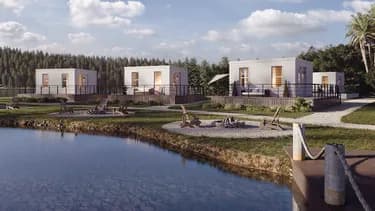
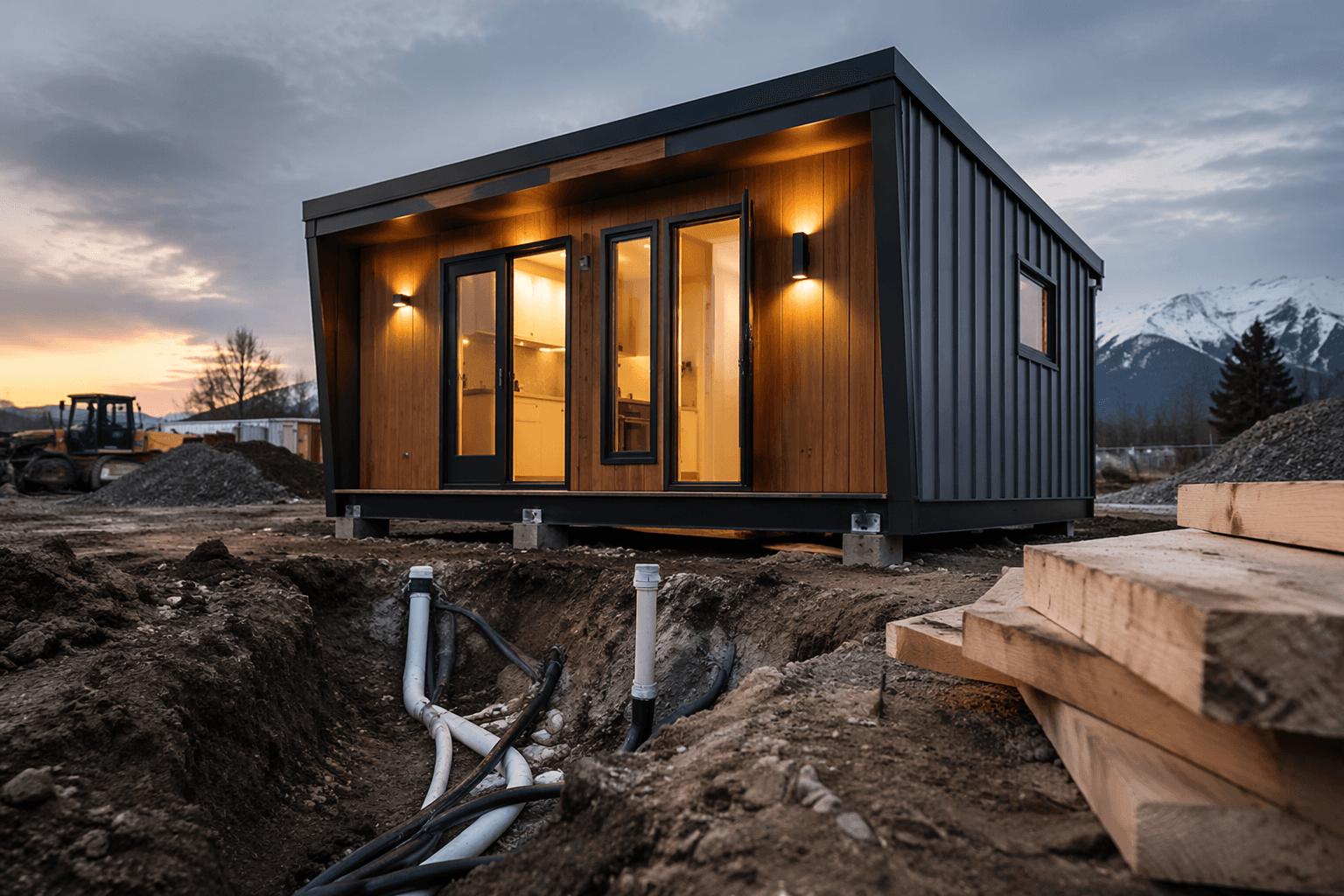
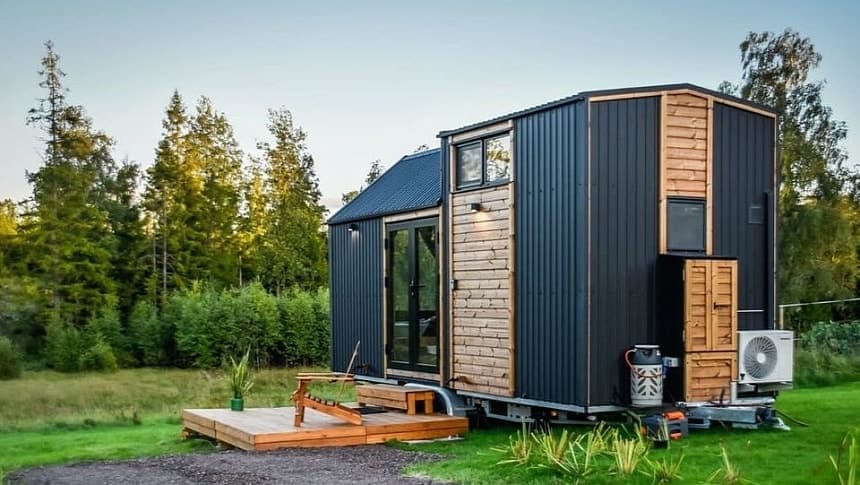
Böstebacken works because it behaves like destination architecture. The appeal is not a technical stunt or a size flex, but the way a fairytale tiny house, set in a Swedish landscape, turns the idea of tiny living into something people would book on purpose. It is framed as a hospitality tiny house open to guests from anywhere in the world, and that matters because the experience depends on more than floor space.
The strongest tiny-house stays do one thing well: they make the setting part of the design. Böstebacken leans hard into that logic, using Scandinavian materials and a Nordic visual language to create a place that feels rooted in its surroundings instead of dropped into them. That is what makes it more interesting than a generic small-home tour, and more useful as a model for anyone thinking about tiny-house hospitality.
Why the Scandinavian look lands here
The house is described as a tribute to Swedish timber cabins, and that comparison is doing a lot of the heavy lifting. Timber cabins carry a specific cultural shorthand in Sweden and across the Nordic region: warmth, restraint, practical craftsmanship, and a close relationship with the landscape. Böstebacken borrows that language and translates it into a guest-ready tiny home, so the design feels familiar rather than themed.
That distinction matters. A lot of tiny homes use rustic touches as decoration, but Böstebacken reads as more authentic because the aesthetic matches the place. In Sweden, where nature strongly shapes how people live and travel, a small handcrafted retreat in the right landscape feels like a natural extension of local culture instead of a novelty inserted for clicks.
The setting is part of the product
The stay is listed as Böstebacken Tiny House by Tiny Away in Alingsås Municipality, Sweden, and that location gives the property real context. Alingsås is known as the Capital of Fika, and Västsverige notes that its café culture has been active since the 1700s. That history gives the area a lived-in hospitality identity, which fits a tiny house built to welcome travelers rather than serve as a private off-grid experiment.
The wider Swedish backdrop reinforces the same point. Visit Sweden says nature is always present in the country and strongly influences where people live and how they live, which helps explain why a rural tiny-house escape can feel especially Swedish rather than generically Scandinavian. In other words, the house is not just borrowing the look of the region, it is operating inside the cultural and landscape logic that made the look make sense in the first place.
What Tiny Away is actually selling
Böstebacken is part of Tiny Away’s broader eco-hospitality model, and that model is worth understanding if you care about where tiny living is headed. Tiny Away says it places handcrafted tiny houses on wheels in scenic rural settings and lists them through booking platforms such as Airbnb and Booking.com. That turns the tiny house from a private housing concept into a portable hospitality product with a much wider audience.
The company says it began in 2017 after Adrian, while vacationing at the Great Ocean Road, partnered with Dave and Jeff to create tiny-house getaways for city dwellers looking for a nature escape. That origin story tells you a lot about the brand’s logic: these homes are meant to be accessible, bookable, and positioned as a reset from urban life. Böstebacken fits that formula neatly, but the Swedish setting gives it a stronger sense of place than the average rural rental.
How to read Böstebacken as a tiny-house blueprint
If you are looking at Böstebacken as more than an attractive listing, the lesson is simple: tiny homes work best as hospitality when the design, the site, and the story all point in the same direction. The Scandinavian materials support the Swedish setting. The Swedish setting supports the travel experience. And the travel experience supports the idea that a small footprint can still feel special when it is carefully staged.
A strong destination tiny house usually needs three things:
- A design language that feels native to the place, not pasted on
- A setting that adds atmosphere instead of just offering a backdrop
- A booking experience that makes the stay easy to access for outsiders
Böstebacken has all three. It is a guest-ready escape, it is tied to a landscape and culture that deepen the meaning of the design, and it is offered through a platform model built for travelers who want to buy the experience, not just admire the architecture.
The listing also identifies it as a tiny home rental with a nightly price shown on Airbnb, which is another reminder that this is not a concept sketch or a showpiece. It is a real commercial stay with a clear place in the hospitality market. That is what makes Böstebacken worth paying attention to: it shows how tiny living becomes more compelling when the home, the region, and the brand all pull in the same direction.
Böstebacken’s charm is not that it looks like a storybook house. It is that the storybook look only works because the Swedish landscape, the timber-cabin reference, and the Tiny Away model all make the same argument at once. That is how a tiny house stops being just small and starts becoming a destination.
This article was produced by Prism’s automated news system from verified source data, official records, and press releases, then run through automated quality and moderation checks before publishing. The system is built and supervised by the people who set the standards it runs under. Read our full AI policy.
Did this article answer your question?