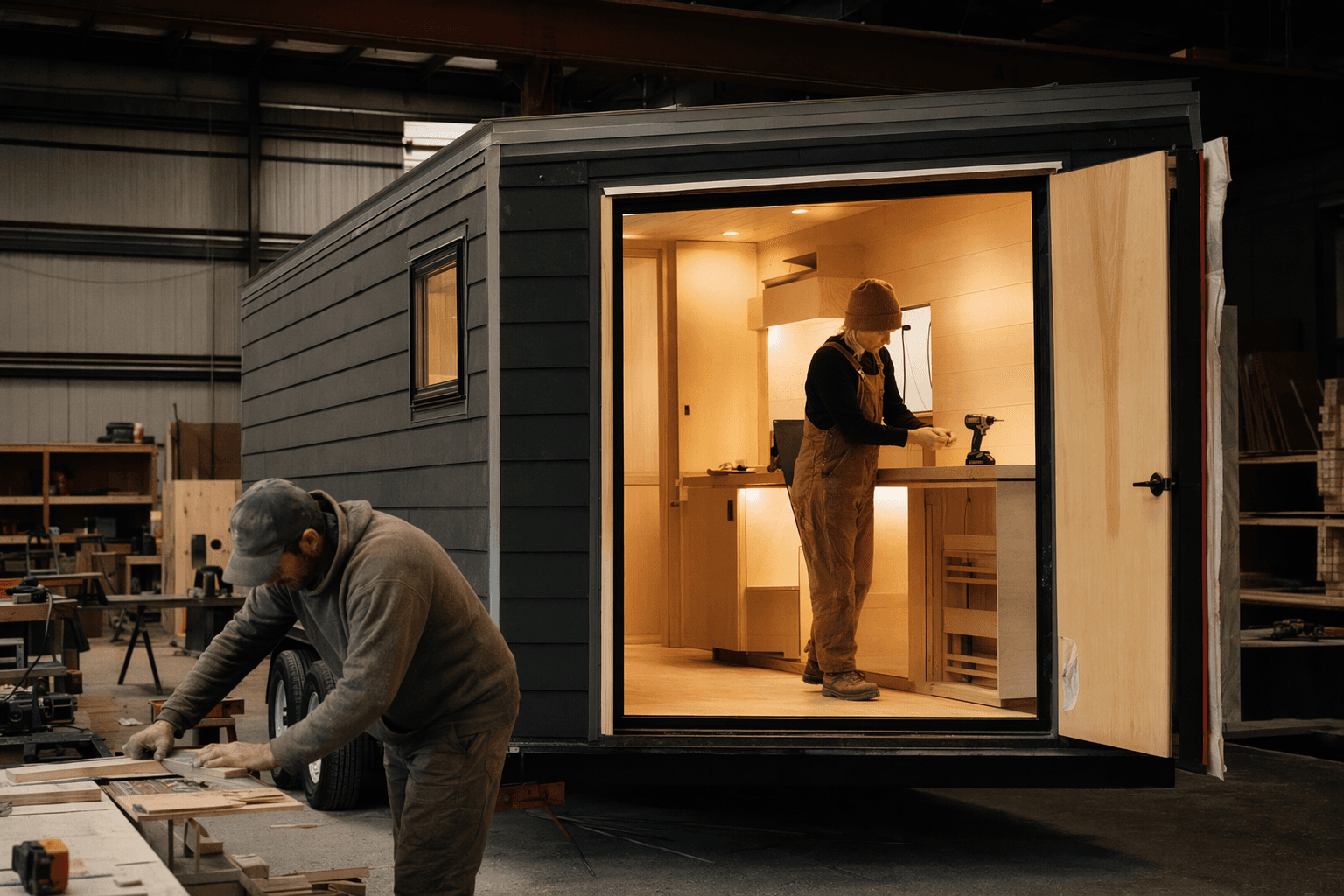
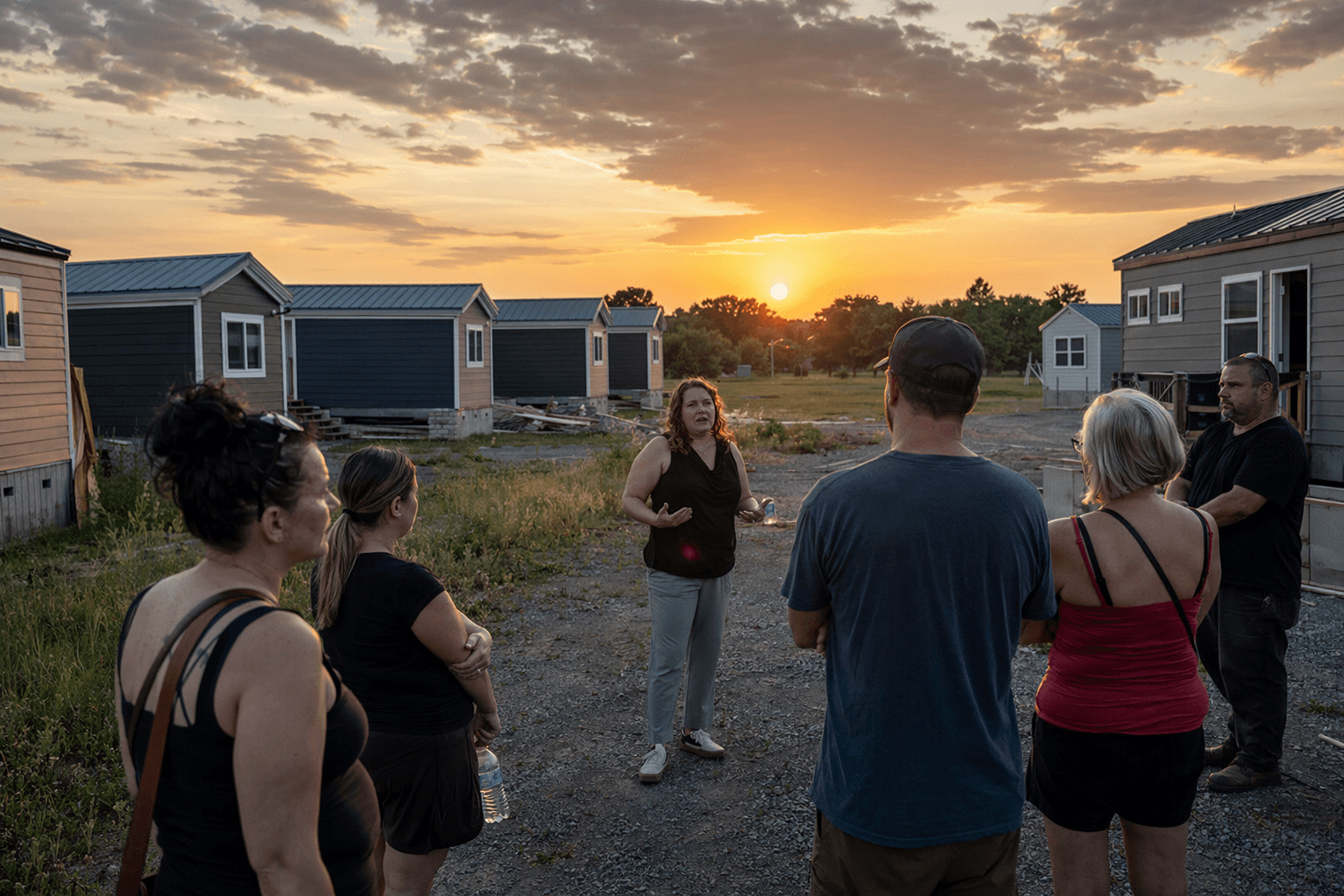
Toronto Struggles to Find Land for Planned Micro Shelters
Nearly 70 public sites still could not fit Toronto’s micro shelters, showing land, not design, is the real bottleneck.
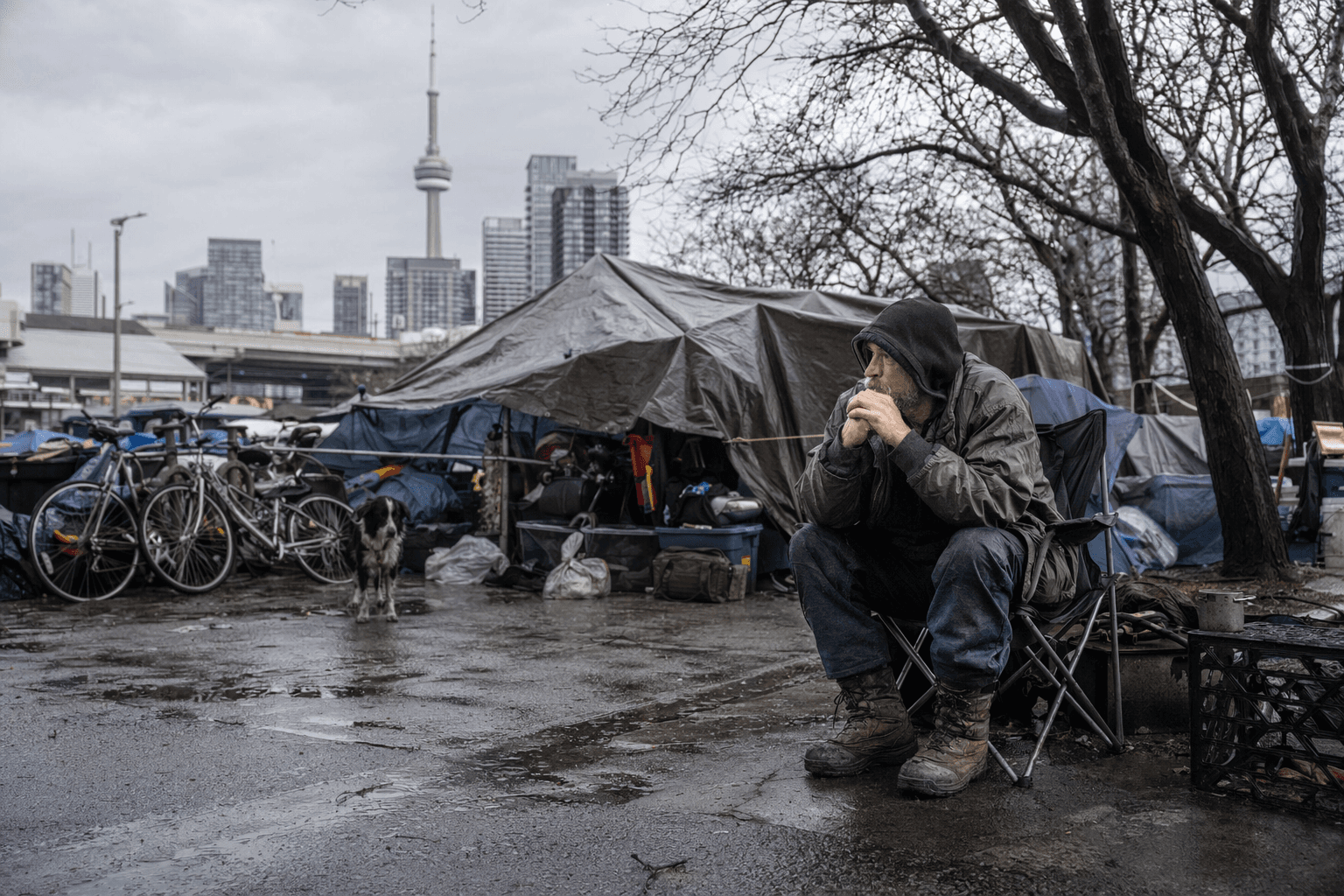
Nearly 70 public sites and Toronto still could not make micro shelters work. After reviewing 44 city-owned parcels and then 23 TTC parking lots, the city came up empty, with no location that met the basic requirements without bumping into some other municipal use.
That is the sharpest lesson in Toronto’s tiny-home-style shelter push: the obstacle is not the concept, it is the land. Some of the sites were not actually city-owned. Others were already committed to projects such as affordable housing. A few were simply too small, while others ran into infrastructure limits that would have made development difficult or impossible. By the city’s own account, a suitable and available location for the pilot still had not been identified.
The micro-shelter pilot is supposed to fit inside Toronto’s Homelessness Services Capital Infrastructure Strategy, a 10-year plan meant to stabilize the shelter system and make it more responsive for people experiencing homelessness. The Expression of Interest for the program called for a two-year pilot and asked nonprofit proponents to bring more than just a design. Applicants had to provide a service model, a land option, and ideally a construction partner.
That land requirement is where the program keeps running into reality. City Council referred a micro-shelter inquiry in March 2025 and told staff to report back on the feasibility of using underutilized TTC parking lots in the first quarter of 2026. The TTC’s own planning documents show why that path is crowded: the transit agency has 23 commuter parking lots, and seven of them are already planned for Housing Now projects. In a city as built-out as Toronto, even public land is already spoken for.
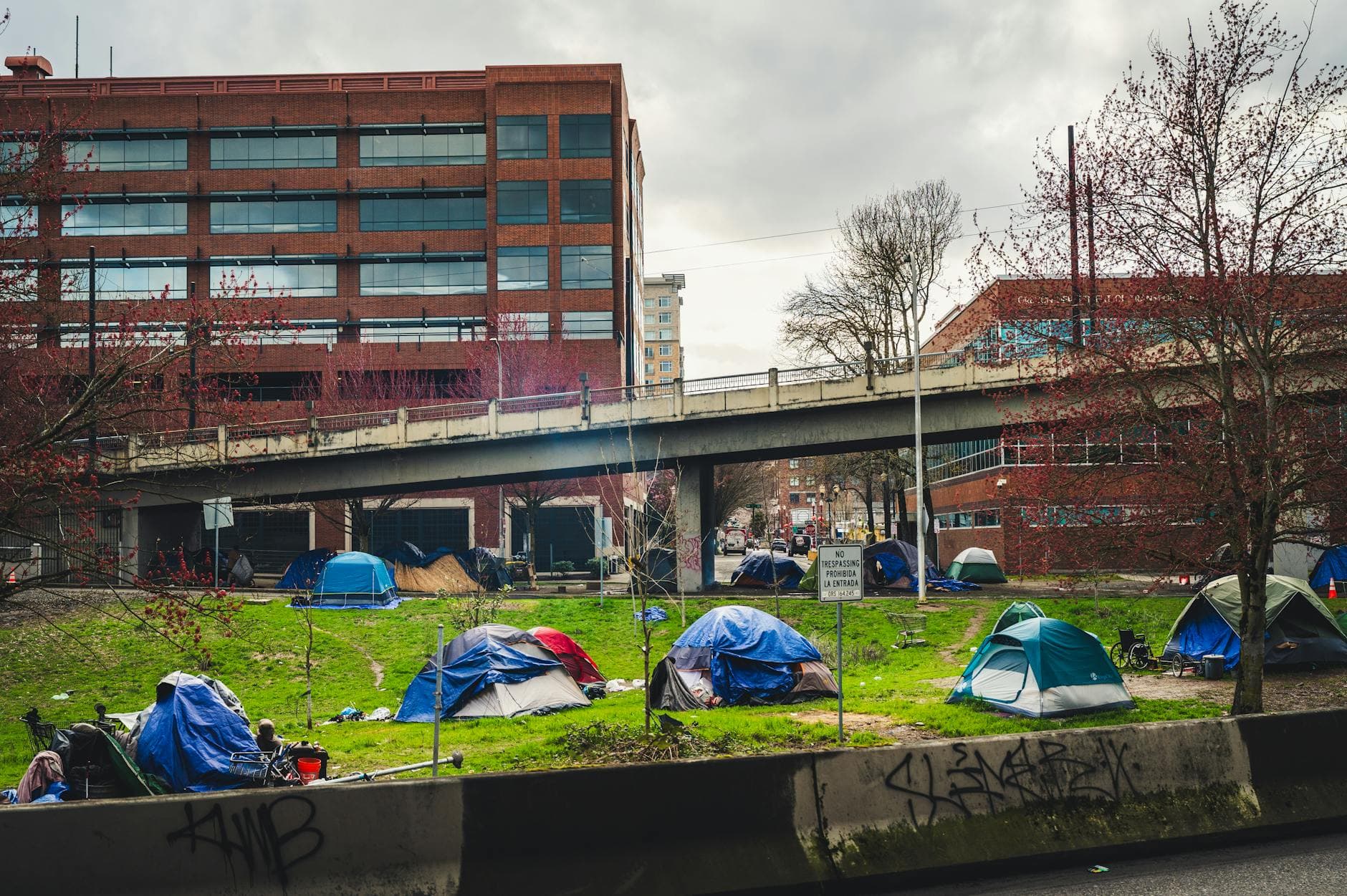
The pressure behind the search is not theoretical. Toronto’s shelter and support system accommodated more than 9,800 people per night in 2025, including extra cold-weather spaces during winter. The city’s encampment strategy also ties micro shelters to council direction to explore City-owned sites for temporary programs, including modular shelters, while the broader goal is to add 1,600 shelter spaces over 10 years.
Councillor Chris Moise has pushed for the city to move faster and use underutilized parking lots and land it already controls. His inquiry warned that without legal, planned sites, micro-shelter-type structures could end up in parks instead. Toronto’s 2026 capital program for Shelter and Support Services totals more than $1.06 billion in cash flows and future commitments, which makes the stalled site hunt more than a technical snag. It is the limit case for whether a fast, flexible shelter model can actually be delivered in a dense city that has almost no spare ground left.
Know something we missed? Have a correction or additional information?
Submit a Tip