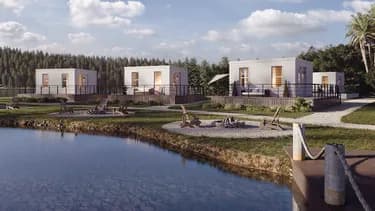
Vagabond Haven’s loft-free Felicia tiny house prioritizes accessibility
Felicia skips the loft and keeps the footprint honest: a 7.2-meter tiny house built for easier access, real storage, and optional off-grid living.
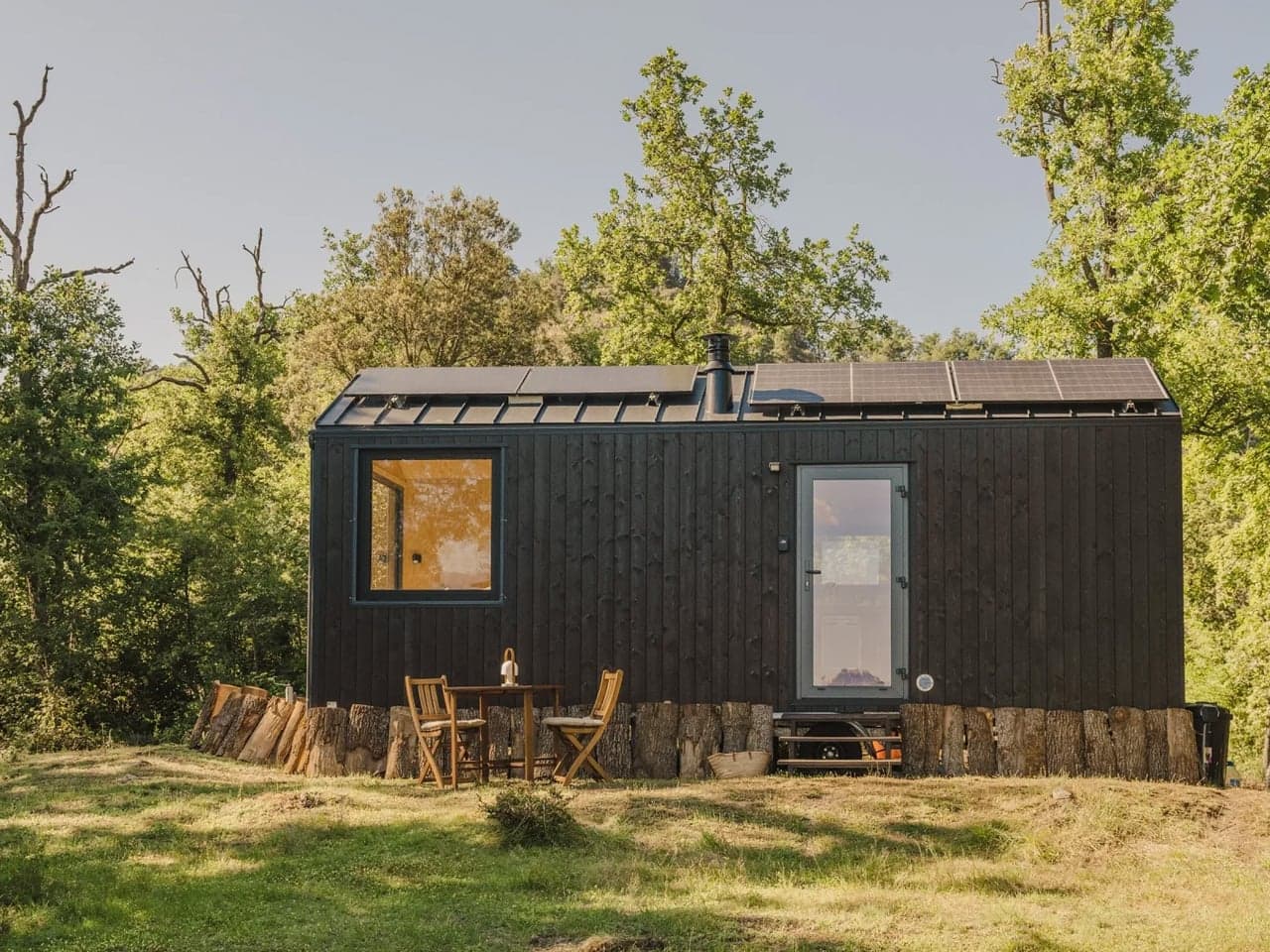
Felicia gets a lot right by refusing the usual tiny-house shortcut: the loft. Vagabond Haven’s medium-category model stays on one floor, which removes the nightly ladder climb and makes the layout easier for older buyers, people with mobility limits, and anyone who wants a small home that still feels straightforward to live in. At 7.2 meters long, 2.5 meters wide, and 3.94 meters tall, it is compact without feeling like a stunt.
A tiny house that treats access as the main feature
The no-loft layout is the point here. In a lot of tiny homes, the sleeping area is shoved overhead, which saves floor space but creates a daily chore out of bed, storage, and basic movement. Felicia avoids that tradeoff by keeping everything on one level, and that changes the way the home works from morning to night.
That matters in real life because accessibility is not only about wheelchair access or aging in place, although it helps with both. It is also about whether the house asks you to think twice every time you move through it. A single-floor plan is easier to clean, easier to navigate with sore knees or a sleeping child, and easier to use when you want the tiny home to function like a normal small residence instead of a novelty cabin.
Vagabond Haven’s own lineup makes the distinction clear. Some larger models still rely on lofts, while Felicia sits on the compact, mobility-friendly side of the catalog. That gives the model a clearer job than many tiny homes: it is not trying to be the tallest or the flashiest, just the one that wastes the least effort.
The shell is built to travel, not just sit pretty
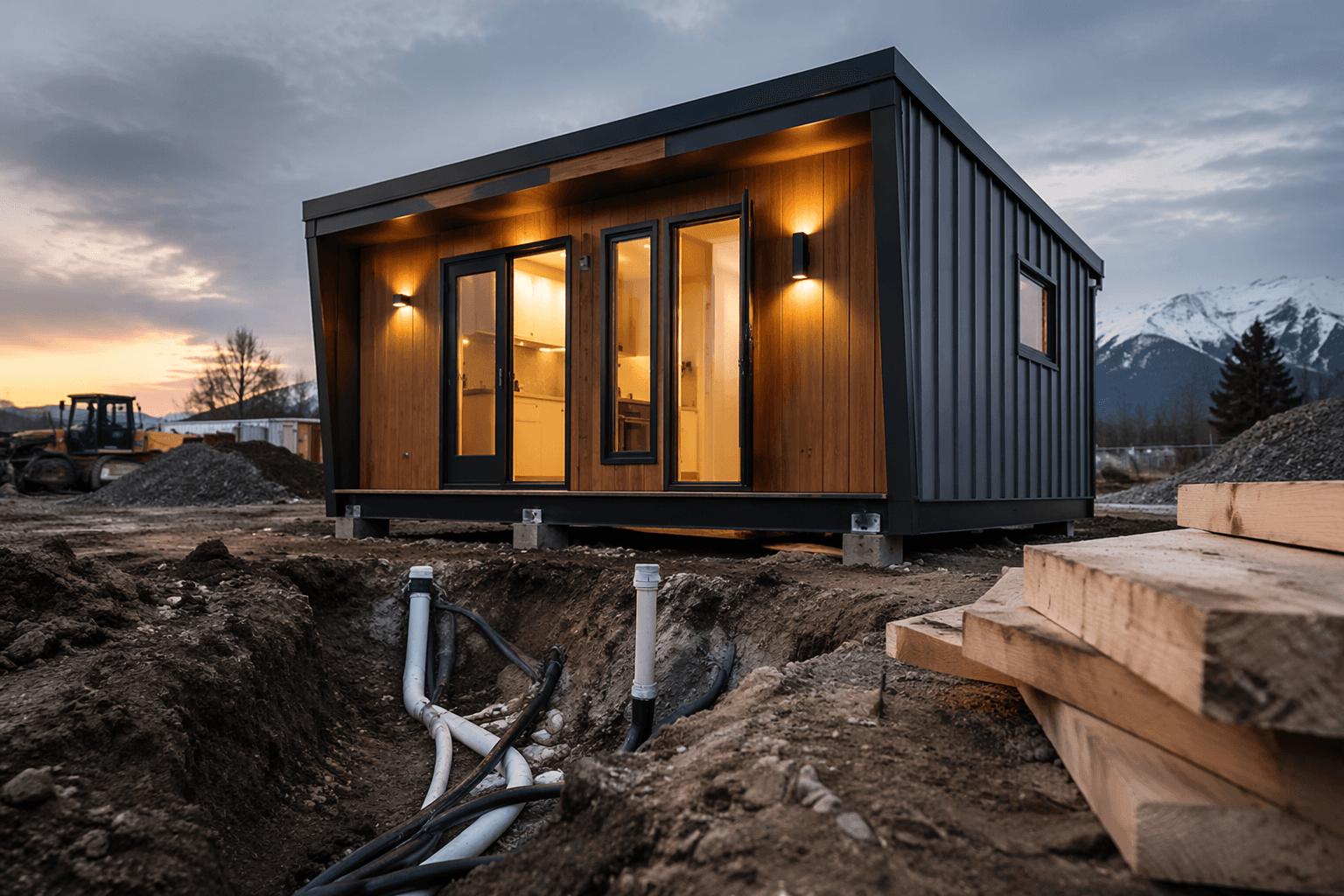
Felicia rides on a double-axle lightweight trailer with a maximum weight of 3.5 tonnes. That keeps it in the towable category while still giving the structure a practical base, and Vagabond Haven says its mobile tiny houses can be pulled at 80 km/h behind a car. For buyers who need a home that can move between land, seasonal sites, or guest-use locations, that combination is the difference between a genuine mobile build and a house that only looks mobile in photos.
The company also says ready-built models can be delivered in 2 to 4 weeks if they are in stock, and that it has been building these houses since 2017. It designs them for year-round living in Scandinavian conditions, which is a useful detail because it frames the insulation, durability, and weather expectations in a way many tiny-house brochures skip.
This is not a beach-cabana tiny house. It is built for cold seasons, regular use, and the kind of weather that punishes flimsy detailing.
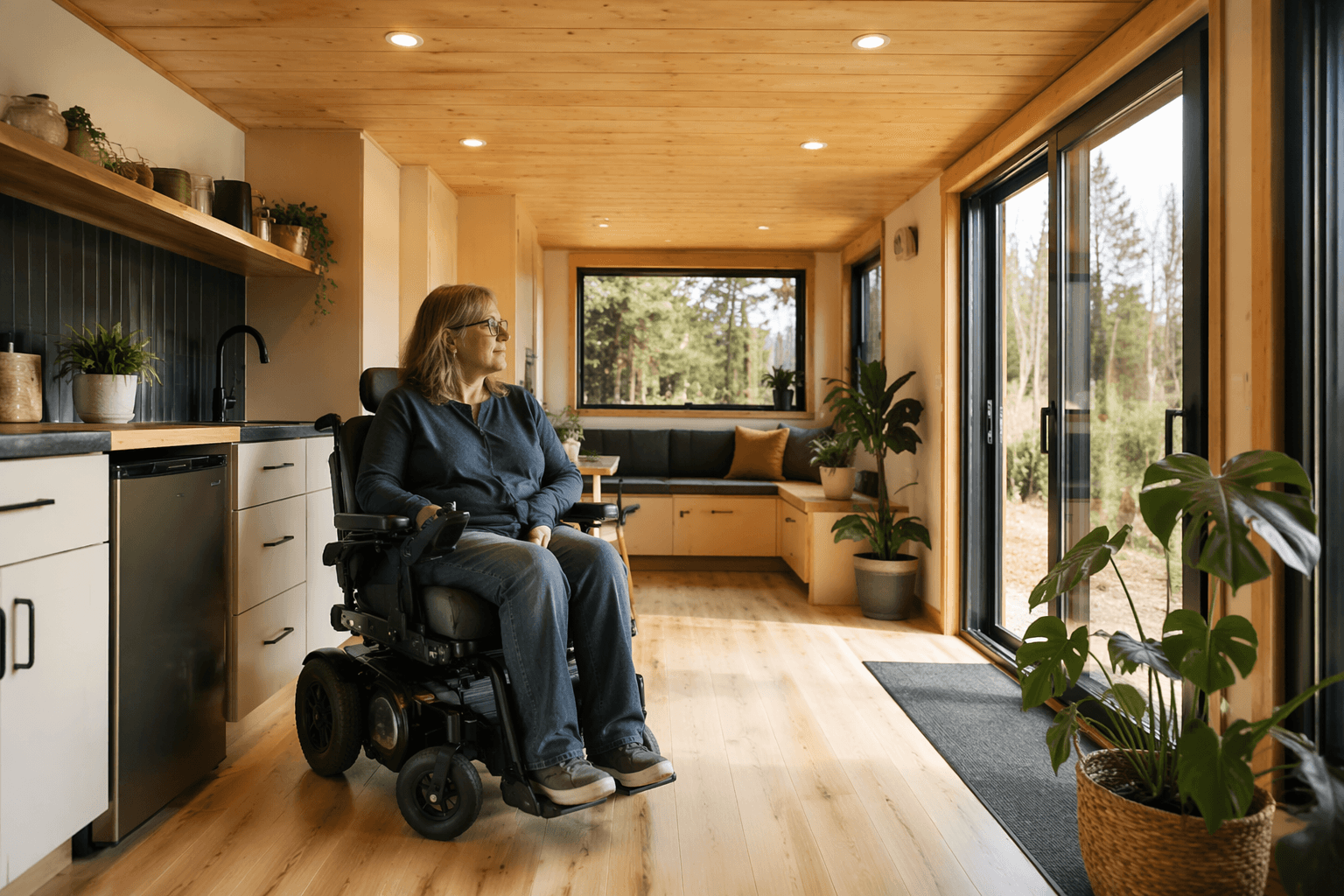
Inside, the layout is compact but not stripped down
The interior setup is exactly what you want from a small house that still needs to function every day. Felicia can be fitted with a raised bed that has storage underneath, a small kitchen with a sink, a two-burner propane stove, a fridge, and cabinetry. That under-bed storage is not a luxury in a home this size, it is the difference between keeping the room orderly and letting bags, seasonal clothes, and spare bedding spill into the walkway.
Vagabond Haven’s broader options list expands that kitchen further, with cooktop, oven, dishwasher, and microwave choices available across the line. The bathroom package is similarly flexible, with a shower cabin, wet-room approved walls, and toilet options that include a standard flush toilet, a composting toilet, a Separett dry toilet, and a Cinderella incinerating toilet.
That flexibility is where Felicia starts to look serious as a lived-in home. A lot of tiny houses look finished until you ask where the dishes go, how the shower is enclosed, or whether the toilet system matches the site you plan to use. Here, the company has at least built the configuration around actual use cases instead of a showroom fantasy.
Off-grid is possible, but not free of tradeoffs
Felicia can be set up for off-grid living, and that is where the practical fine print starts to matter. Vagabond Haven’s off-grid package uses four roof-mounted 455 Wp panels for a total of about 1.82 kW, plus a 5.12 kWh lithium-ion battery. That is enough to widen the home’s use beyond a fixed campground hookup, but it does not turn the house into a power-free miracle.
The company is explicit about the limits. For major loads such as the stove, cooktop, and water boiler, it recommends gas appliances. For waste, it points buyers toward a dry-toilet or a Cinderella incinerating toilet. For winter heat, it recommends a wood stove, pellet stove, or gas stove instead of electric systems.
That advice matters because it shows where off-grid tiny living usually gets overpromised. The solar array can support daily life, but high-draw appliances are still the stress point, and winter heating is the biggest trap of all. If you want the off-grid version, you are not eliminating tradeoffs, you are choosing them deliberately.

Materials, finishes, and the look of the thing
The exterior can be finished in spruce, ThermoWood, oxygen wood, or shou sugi ban, which gives Felicia a wide visual range, from more traditional Scandinavian wood siding to a darker, more contemporary burn-treated look. Vagabond Haven also describes its houses as using eco-friendly and healthy materials, with spruce, engineered wood, and shou sugi ban appearing among its options on different models.
One useful caution from the company’s configurator: the images are guidance only. Final materials and details can differ, which is exactly the sort of line tiny-house buyers need to notice before they start treating a rendered photo as a promise. In a compact build, trim choices, wall finishes, and cabinetry finishes carry more weight because there is so little square footage to hide a bad decision.
Price, position, and who this home is actually for
The starting price is around 43,300 euros, or roughly 50,000 dollars, with the final figure depending heavily on options. Vagabond Haven’s listing for a Sofia model at 43,308 euros helps anchor that number as part of the brand’s wider price range, not some cherry-picked one-off. The company has also pushed beyond Scandinavia, including sales activity in Andalucia, Spain, and it says it offers Europewide delivery.
That puts Felicia in a specific lane: buyers who want a towable tiny home that prioritizes access, not loft drama. It suits people who care more about a usable floor plan, flexible toilet and heat systems, and a shell that can handle year-round living than they do about squeezing in another sleeping nook overhead.
Felicia’s strongest argument is not that it does everything. It is that it stops pretending a ladder is an acceptable answer to everyday living. In a market full of tiny houses that make the loft the headline, this one quietly makes the better case: the best small home is the one that asks you to do less work just to live in it.
This article was produced by Prism’s automated news system from verified source data, official records, and press releases, then run through automated quality and moderation checks before publishing. The system is built and supervised by the people who set the standards it runs under. Read our full AI policy.
Did this article answer your question?