Videos Show Fentanyl Use at Taxpayer-Funded Seattle Tiny Home Villages
A We Heart Seattle video showing open fentanyl smoking inside a taxpayer-funded LIHI village racked up 100,000 views on X before LIHI blacklisted the filmmaker from its properties.
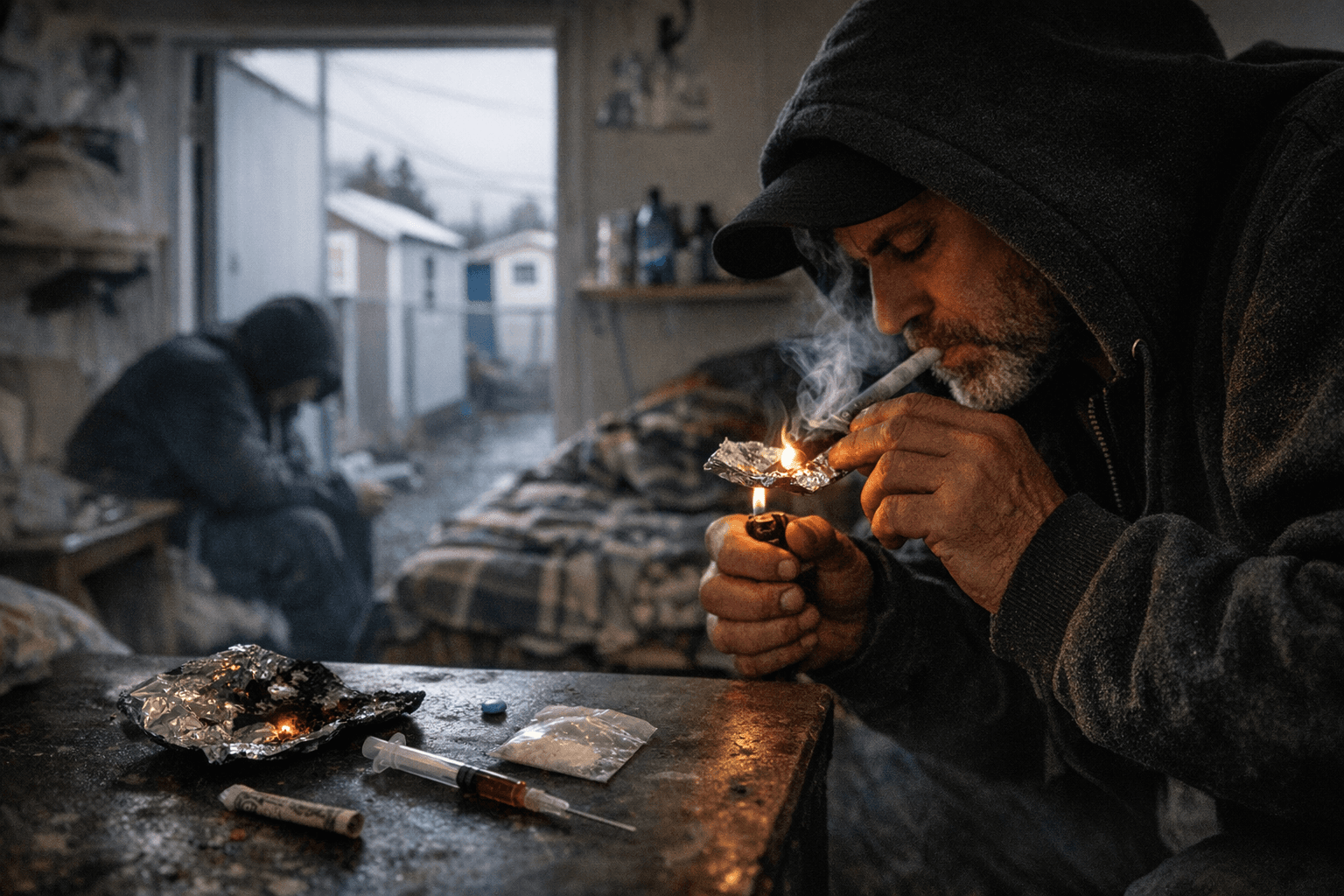
A video filmed inside a Low Income Housing Institute tiny home village in Seattle and shared to X by grassroots watchdog We Heart Seattle crossed 100,000 views, exposing what a resident on camera described as a designated space for open fentanyl use on city-funded property. The fallout was swift: LIHI staff moved to ban We Heart Seattle founder Andrea Suarez from all village sites, not by addressing the footage, but by invoking an unauthorized filming policy.
Suarez said she originally shot the footage weeks before the post went viral. When she returned to the village to visit a client, she was met at the entrance by multiple staff members. "I had four or five staff come out of the woodwork and tell me, 'oh, by the way, you're blacklisted, you're not allowed to come here anymore,'" Suarez said, noting that village managers cited filming without permission as the official reason for the ban.
The video itself features a village resident walking Suarez through what they described as a communal drug room. "There's a drug house right there for people who do drugs. So you come and do your drugs, if you're going to do fetty (fentanyl) or something, you come in here and do it," the resident told Suarez on camera. "You come in here to do your fetty, and nobody says anything. Narcan is up here. Usually, it's full of people; it's the end of the month. Everybody's running out of money. It's funny because the drug dealers, they're in there smoking with people."
LIHI operates roughly 500 units across its network of tiny home villages in Seattle and King County, funded substantially through public contracts. The Seattle City Council included $5.9 million in the 2025 municipal budget specifically for LIHI village startup and operating costs, and the King County Regional Homelessness Authority committed an additional $6 million to expand the model with more than 100 new units. Mayor Katie Wilson, who held a press conference at an LIHI facility in March to announce further expansion, did not respond to requests for comment on the videos. KCRHA also declined to comment. LIHI Executive Director Sharon Lee and the organization's communications team did not issue a public response.
Suarez framed the ban as a deflection. "Instead of actually helping people and spending their time working with people on a pathway to self-sufficiency, they are more concerned about blacklisting me because I was just trying to show and educate people what is really going on in there," she said. She has described the conditions inside LIHI villages as a systemic "drug crisis," arguing that the housing-first model as currently operated leaves residents without recovery pathways while dealers gain what she called a captive audience.
The controversy lands as Seattle doubles down financially on tiny home villages as a homelessness solution. LIHI reported that 55% of residents who exited its village programs moved into permanent housing, a figure city officials have cited in defending continued investment. Critics, however, argue the videos reveal a gap between that outcome data and conditions on the ground, and that the response to Suarez, silencing the messenger rather than the drug use, speaks for itself.
Know something we missed? Have a correction or additional information?
Submit a Tip