Virginia eases backyard tiny house rules, caps permit fees statewide
Virginia homeowners will soon be able to add backyard tiny houses statewide, with ADU permit fees capped at $500 and family-only occupancy rules scrapped.

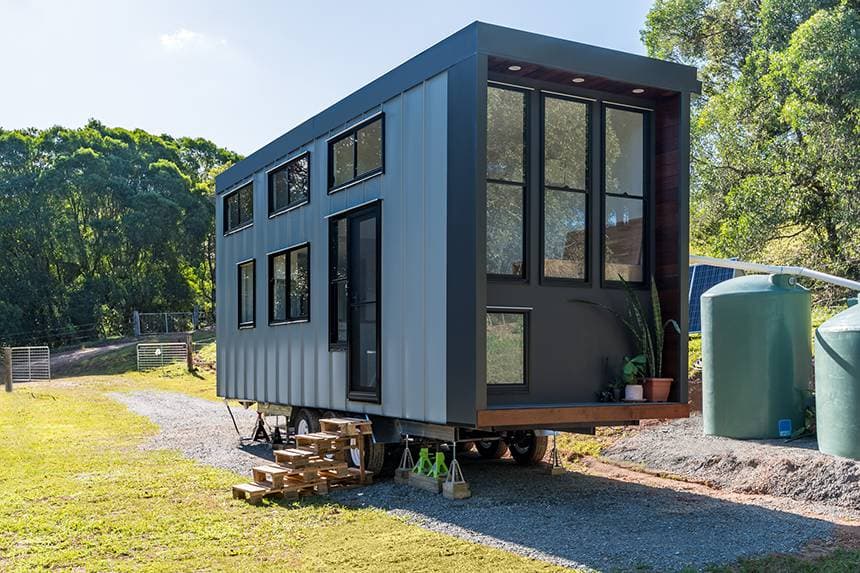
Backyard tiny-house owners in Virginia just gained a statewide legal path to build far fewer-hassle accessory dwelling units, or ADUs, in single-family neighborhoods. Gov. Abigail Spanberger signed Senate Bill 531, giving homeowners a clearer route to add a garage apartment, carriage house, in-law suite or detached tiny house on the same lot, with the biggest changes set to kick in on July 1, 2027.
The law lands after years of failed bipartisan attempts and a fast-moving 2026 rollout. SB531 was prefiled on January 13, introduced in the Virginia Senate on January 14, then passed the Senate 21-19 on February 12 and the House 62-37 on March 4 before reaching Spanberger’s desk. VPAP shows the governor approved it on April 13, a close but decisive win for supporters who argued Virginia needed a faster way to add homes without waiting for new subdivisions or major infrastructure.
For homeowners, the practical shift is hard to miss. Localities must allow ADUs by right in single-family residential zoning districts. They cannot require a special use permit, cannot demand a family relationship between the people in the ADU and the main house, and cannot insist on new dedicated parking in most cases. Permit fees are capped at $500, and local setback rules cannot be more restrictive than the setback for the primary dwelling or accessory structures, whichever is less. Local governments also cannot impose ADU conditions that are tougher than single-family standards on height, setbacks, lot size or coverage, or building frontage.
That matters because it removes some of the biggest obstacles that have kept backyard tiny houses from becoming a real option. A homeowner who wants to place a unit for a parent, caregiver, adult child or tenant should face a simpler approval process than before, and the removal of the family-only rule opens the door to rental income on private property. The fee cap also gives owners a clearer handle on one piece of the upfront cost, even if the structure itself still has to be financed and built.
Virginia is not moving alone. The Virginia Housing Alliance said the General Assembly passed more than a dozen housing-related bills this session, and the Mercatus Center says 18 states have now adopted statewide ADU laws that let homeowners build and rent these units. For Virginia, the change is less a symbolic nod to tiny homes than a real shift in how quickly a backyard lot can become part of the housing supply.
This article was produced by Prism’s automated news system from verified source data, official records, and press releases, then run through automated quality and moderation checks before publishing. The system is built and supervised by the people who set the standards it runs under. Read our full AI policy.
Know something we missed? Have a correction or additional information?
Submit a Tip