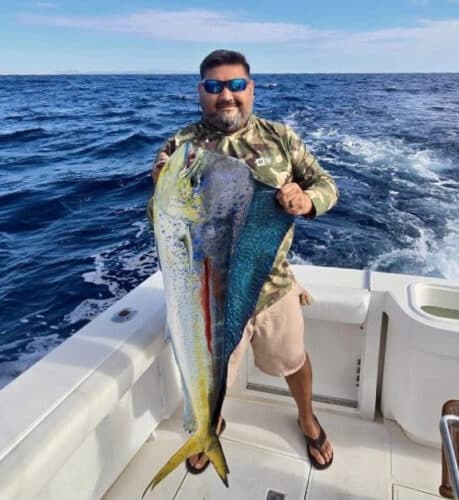
Blackfin Tuna and Wahoo Bite Near Structure Off Ocean Isle
Blackfin and wahoo are lining up on structure in 130 to 250 feet off Ocean Isle and Holden Beach, while mahi and blue marlin stay in play farther out.
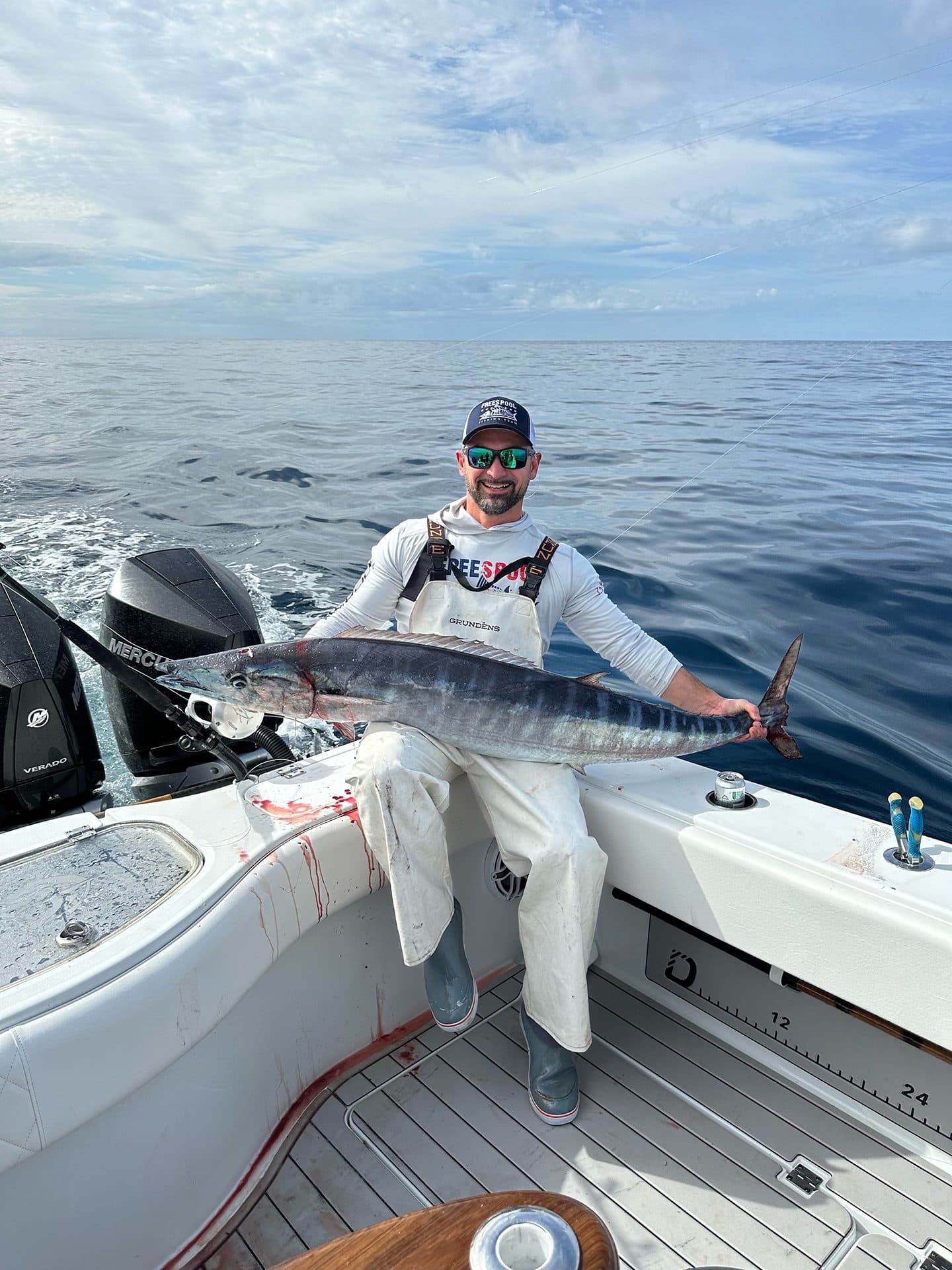
The bite is setting up in layers
The smartest move off Ocean Isle and Holden Beach right now is not a blind run to the edge. It is a structure-first plan in the 130- to 250-foot band, where blackfin tuna and wahoo are the most practical starting points and where mahi can show up in the mix. That depth range gives crews a real decision-making advantage: it is close enough to fish efficiently, but deep enough to stay in the offshore conversation without making the day all about a long bluewater haul.
That matters because this fishery is not behaving like a one-species hunt. It is a layered spring spread, where current, bait, and bottom structure are doing more work than a fixed depth number ever could. If the water feels right and the bait is stacked, blackfin can be the first fish to make the day feel alive, while wahoo give you the power bite that can turn a clean spread into a keeper day fast.
Why structure comes first
For tuna anglers, the key detail is that blackfin do not usually reward random roaming. They are classic offshore Gulf Stream species in North Carolina waters, and the state’s marine fisheries materials note that anglers target them with vertical jigging and topwater when conditions allow. That means the best crews are not just picking a number on the chart; they are hunting edges, current seams, and bait concentrations around structure where fish can feed efficiently.
The same logic explains why the 130- to 250-foot zone is so attractive. It is deep enough to intersect moving water and fish-holding features, but shallow enough to let anglers work a lot of structure in a day. In practical terms, that means ledges, humps, hard bottom, temperature breaks, and any obvious bait marks deserve attention before a crew commits to a long run farther out.
Floating debris is another big clue. Spring offshore around this part of North Carolina often rewards crews that treat debris fields as part of the plan, not an afterthought. A weed line, a log, or a patch of junk can hold bait and draw dolphin, and it can also serve as a reference point for tuna and other pelagics moving through the same water.
How to balance blackfin, wahoo, and mahi
If blackfin are the most structure-oriented target in this setup, wahoo are the species that can force a quick adjustment in strategy. They are part of the same classic offshore mix, and in this window they fit the same general approach: cover structure, watch the current, and be ready for a strike that can come out of nowhere. A crew that starts with blackfin expectations but keeps a wahoo spread ready is fishing the lane the right way.
Mahi complicate the decision, but in a good way. The same 130- to 250-foot water can produce dolphin, yet the main body of better mahi usually sits farther out along the true Gulf Stream edge, around 600 feet. That gives anglers a clean choice: stay inside and work the productive structure band for blackfin and wahoo, or push out when the day and conditions suggest a better mahi shot on the edge.
That is the real spring strategy here. Early May is a move-with-the-bite period, where water temperature, current direction, and bait presence matter more than locking into a single depth and staying there. If the inside bite is alive, there is no reason to abandon it. If the outside edge is stacked, the day can change fast, and crews who can adapt have the best chance of turning a decent trip into a mixed box.
Blue marlin add another layer
May is also one of the better months for blue marlin, and that is what makes this window especially interesting. A trip that begins as a tuna-and-wahoo hunt can easily become a broader pelagic run, with billfish in the conversation if the water, current, and baitline line up right.
North Carolina’s marine fisheries guidance puts blue marlin squarely inside the state’s highly migratory species picture. It also notes that blue marlin spawn in the North Atlantic from July through September and in the South Atlantic in February and March, which is a useful reminder that the spring bite is part of a bigger seasonal cycle. In other words, the marlin showing up now are not a surprise; they are part of the larger offshore migration pattern that keeps this fishery moving through the warm season.
For anglers off Ocean Isle Beach and Holden Beach, that means one spread may need to do more than one job. A crew can fish structure for blackfin and wahoo, keep an eye on debris for mahi, and still be ready for the possibility that a blue marlin shows up and changes the day completely.
What the numbers and rules mean to anglers
The blackfin story gets more interesting when you add the state recognition piece. North Carolina says blackfin tuna can qualify for a Saltwater Fishing Tournament citation at 25 pounds or greater. That gives the fishery a real benchmark and changes how some anglers think about the bite. A blackfin is not just a box fish here; a good one can become a fish worth measuring carefully.
The legal side matters just as much. North Carolina requires a Coastal Recreational Fishing License for recreational anglers in coastal waters, and that license became effective Jan. 1, 2007. For anyone running offshore from the Brunswick County side, that is the basic starting point before the first line goes in the water.
Highly migratory species rules add another layer. North Carolina says recreationally landed HMS, including blue marlin, must have a landing tag affixed before removal from the vessel. That is a critical detail for crews that may be fishing a mixed offshore spread and could suddenly find themselves with a billfish on deck. Knowing the tagging rule before the bite happens keeps a good day from turning into a problem.
How this spring compares with recent seasons
The structure-first, multi-species setup is not a one-off. The May 2025 Ocean Isle and Holden Beach pattern featured wahoo and blackfin tuna in the 150- to 300-foot range, with mahi farther out along weed lines and current edges. The year before, Gulf Stream action was already kicking off from late April into May, with wahoo, mahi, tuna, and billfish all in play.
That year-to-year pattern tells a clear story. This stretch of coast does not flip on like a switch; it slides into an offshore transition, first with scattered blackfin and wahoo, then with more consistent mahi and billfish pressure as the water warms and the Gulf Stream edge settles. The spring progression is part of the fishery itself, and anglers who read it well get more out of each trip.
The practical play from Ocean Isle and Holden Beach
The best offshore plan here is simple in concept but demanding in execution. Start in the 130- to 250-foot range, focus on structure, and let blackfin and wahoo set the tone. If debris, birds, or clean bait marks appear, work them hard, because they can lead to mahi and sometimes bigger surprises. If the outside edge looks better, be ready to make the run toward the true Gulf Stream and fish the 600-foot zone for the stronger mahi body.
That is what makes this bite worth paying attention to now. It is not just that blackfin are showing up, or that wahoo are around, or that mahi and blue marlin are part of the picture. It is that the fishery is organized enough to reward anglers who think in terms of structure, current, and depth bands, and flexible enough to pay off in more than one species if the spread is built correctly.
This article was produced by Prism’s automated news system from verified source data, official records, and press releases, then run through automated quality and moderation checks before publishing. The system is built and supervised by the people who set the standards it runs under. Read our full AI policy.
Did this article answer your question?