Breezy east wind pushes tuna action to the Vinorama line in Los Cabos
Breezy east wind didn’t shut Los Cabos down. It pushed tuna boats to the Vinorama line, where live sardines and calmer water kept yellowfin in play.
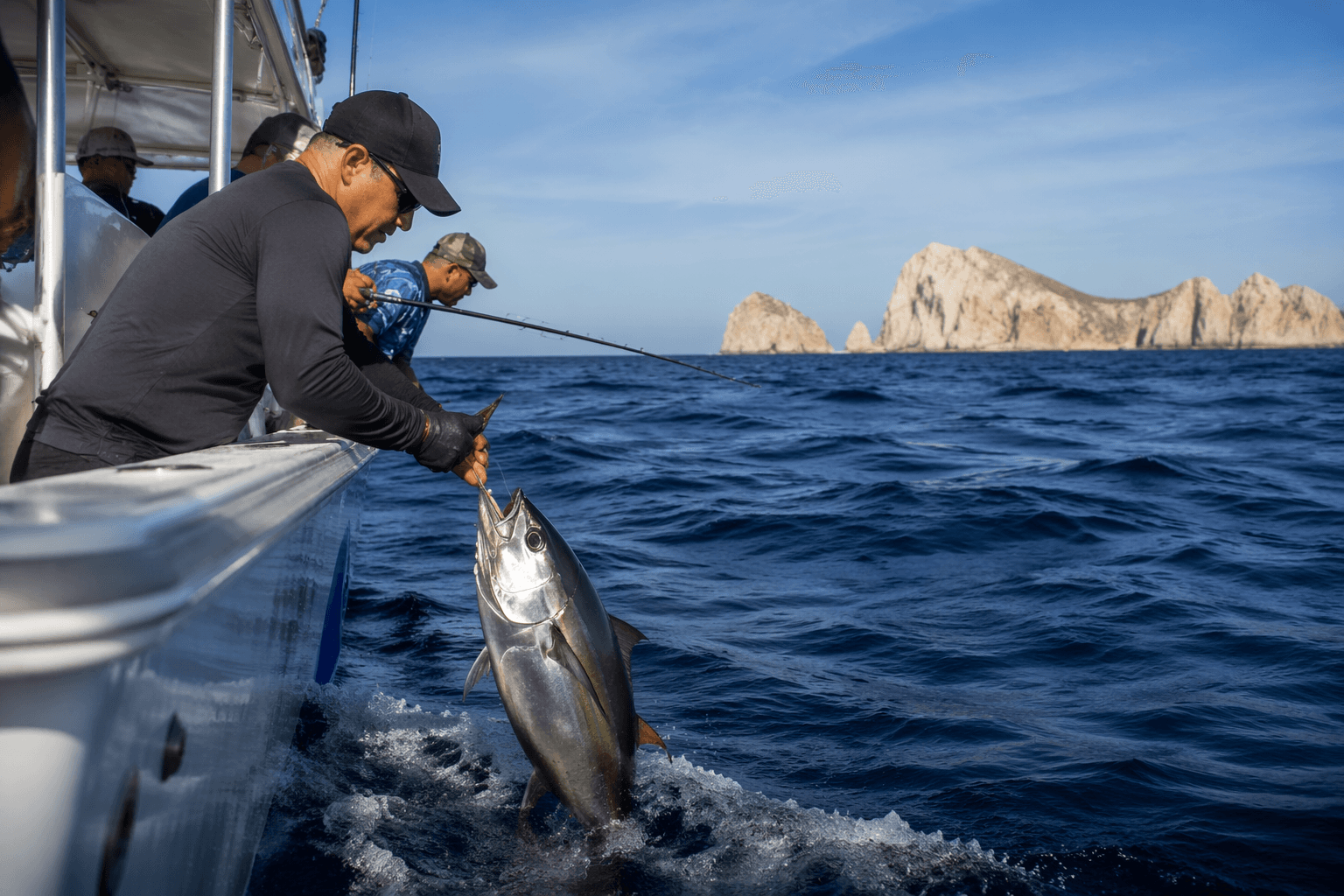
The east wind looked like the kind of condition that sends tuna trips sideways, but in Los Cabos it did something more useful: it narrowed the search. When the eastern grounds turned bumpy, the boats that adjusted to the Vinorama line found a workable lane, and the yellowfin bite stayed alive instead of disappearing.
That is the real lesson from this stretch of the Baja season. The fish were spread across a full offshore picture, with striped marlin from Punta Gorda to El Cardón and dorado pulling strong inshore, but the tuna bite rewarded the crews that understood where the sea state still allowed them to fish properly.
Why the Vinorama line held
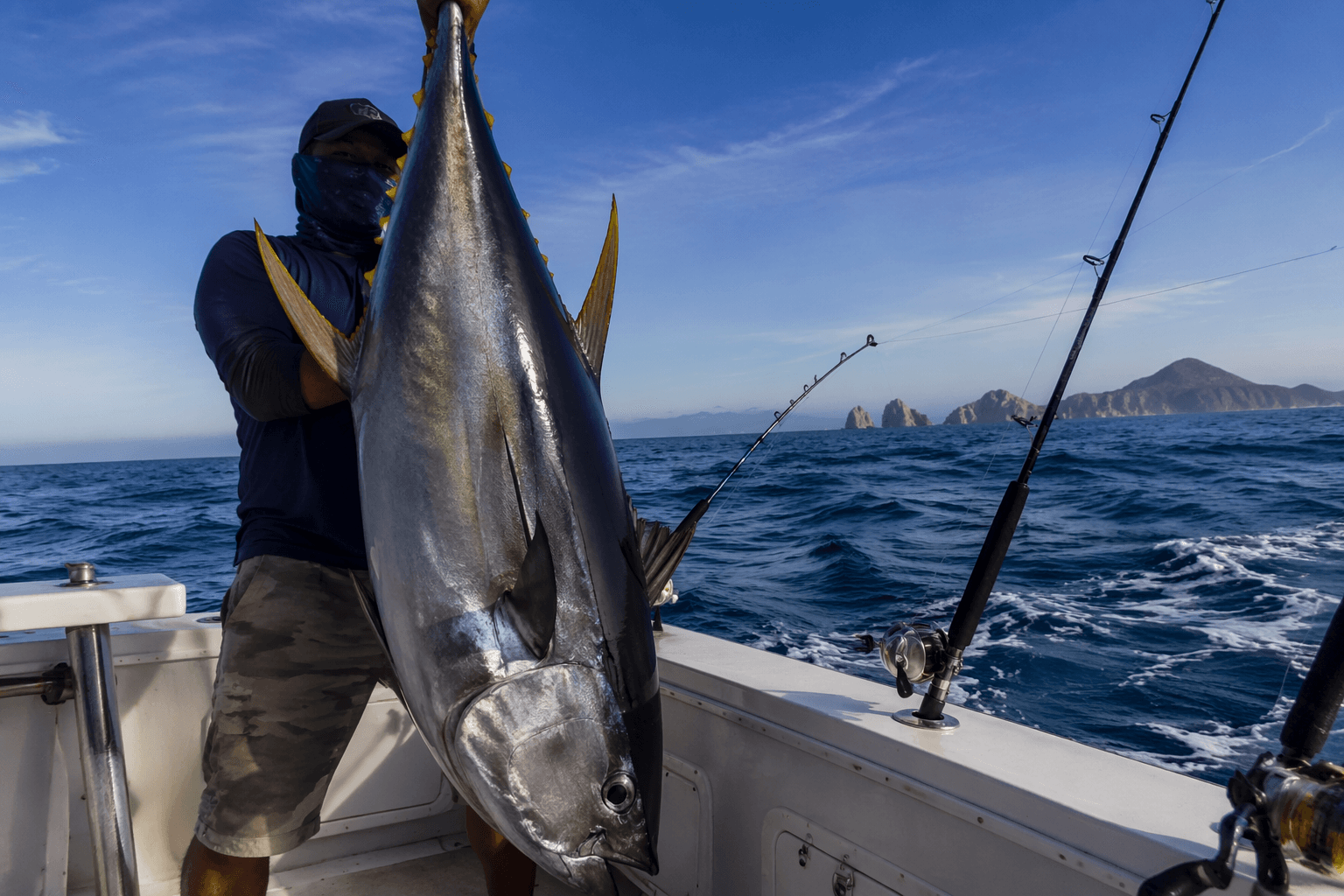
The biggest shift was not in the fish, but in the water you could actually work. East wind roughened the eastern tuna grounds and lowered the odds farther out, while the Vinorama line stayed fishable enough for live sardines to keep getting bit. In a place like Los Cabos, that difference matters as much as bait, because tuna can be present even when a boat cannot stay comfortably on top of them.
Water temperature was sitting at 78 degrees and climbing toward the low 80s, which fits the kind of late-spring, early-summer move that keeps offshore life active without turning the whole zone into one uniform bite. Air temperatures ranged from 73 to 89 degrees, and no rain was forecast, so the pressure point was wind and surface chop rather than a broader weather shutdown. The takeaway is simple: when the eastern side gets ugly, tuna may just get packed into the line where captains can still slow down, read marks, and stay on bait.
What the bait told the boats
Live sardines were the key piece that made the pattern real instead of theoretical. On the productive water, they were still getting bit, which means the line was not just holding fish, it was holding the right feeding conditions. That is the kind of detail anglers build trips around, because it tells you the fish are not locked onto one magic depth or one isolated school, they are reacting to bait concentration and boatable water.
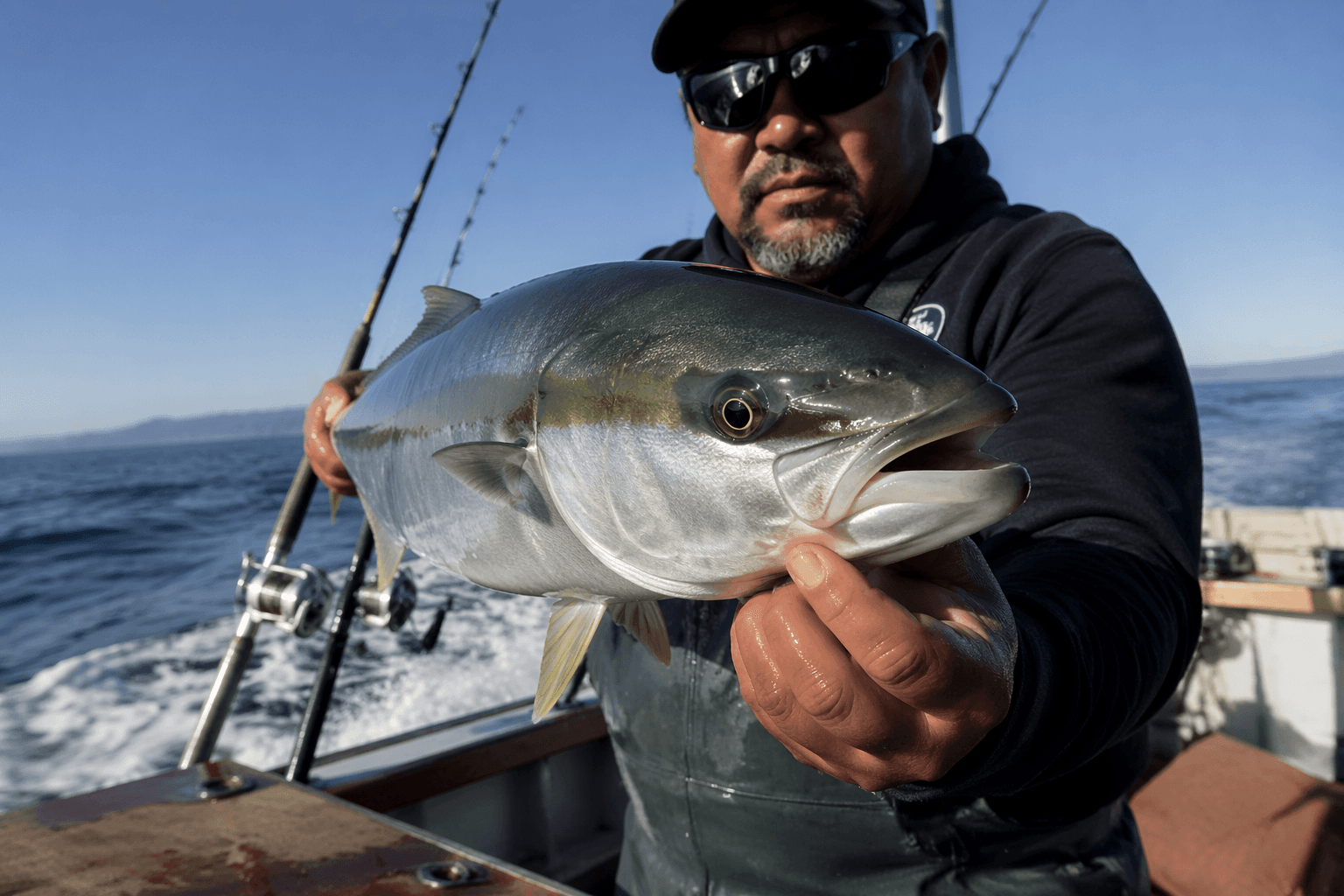
The earlier June pattern makes that even clearer. Yellowfin were lighting up the run from Vinorama to San Luis, most of them in the 10- to 20-pound class, with a good number pushing into the 30-pound range. Live sardine schools were abundant, the sardines were big, and the prescription was as practical as it gets: load up at the marina, then run for the tuna line early before south wind built later in the day.
How to read the pattern on a Los Cabos run
The useful part of this report is not just that tuna were biting. It is that the bite was condition-driven and location-specific, which gives you a cleaner way to judge whether a rough-looking morning is still worth the run. If the east side is chopped up but the Vinorama corridor stays manageable, that may be the better tuna lane even when farther-out water looks tempting on paper.
A few field cues stand out from the reports:
- If wind is pounding the eastern grounds, do not assume the tuna left. Assume the boats moved to the water they could actually fish.
- If live sardines are plentiful and big at the marina, they become the first ticket to the tuna bite.
- If the Vinorama to San Luis line is still workable early, that is the window to make the run before conditions build.
- If the bite is happening on live sardines there, the issue is less about species absence and more about getting into the right lane fast.
That is classic Los Cabos decision-making. The difference between a dead morning and a productive one can be one headland, one line, or one hour before the sea starts to change.
The full offshore picture around Los Cabos
The tuna story also sits inside a broader mixed-bag run, which is part of what makes Los Cabos such a dependable spring-to-summer sportfishing zone. Striped marlin around the 80-pound class were working the stretch from Punta Gorda to El Cardón, and dorado were producing strong inshore action in the 20- to 30-pound range. That spread tells you the water is alive across multiple bands, not just on one isolated tuna lane.
CONAPESCA’s La Ribera fishing-site listing backs up that wider picture by identifying tuna, dorado, marlin rayado, pez gallo, wahoo, and other species as principal targets in the area. So even when yellowfin are the headline, the zone is built for a multi-species run, and the tuna pattern often makes more sense when you see it as part of that larger movement of bait, current, and wind.
That is why the breezy east wind matters here in a way many anglers would miss at first glance. It did not shut the bite down, it sharpened it, and the boats that stayed flexible found the line where the tuna were still reachable.
This article was produced by Prism’s automated news system from verified source data, official records, and press releases, then run through automated quality and moderation checks before publishing. The system is built and supervised by the people who set the standards it runs under. Read our full AI policy.
Know something we missed? Have a correction or additional information?
Submit a Tip