Night bluefin bite keeps Red Rooster III busy off Southern California
Red Rooster III stayed on a night bite that kept the rail busy, with bluefin from 25 pounds to 80-plus and enough action to last most of the night.
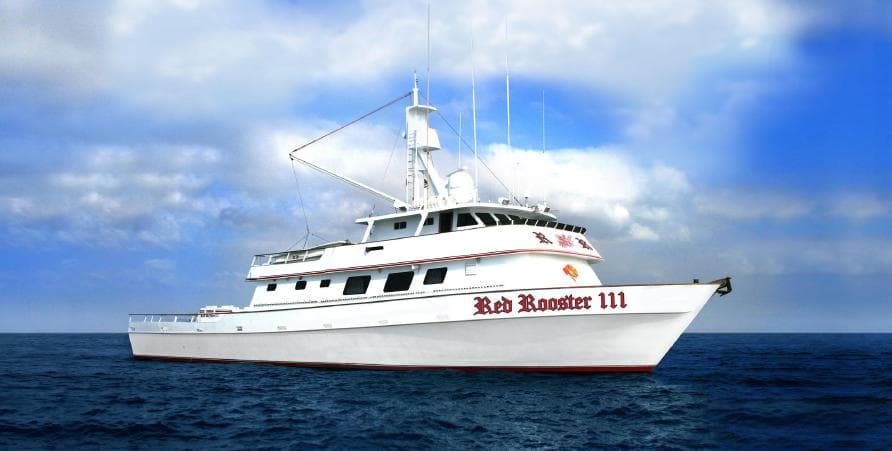
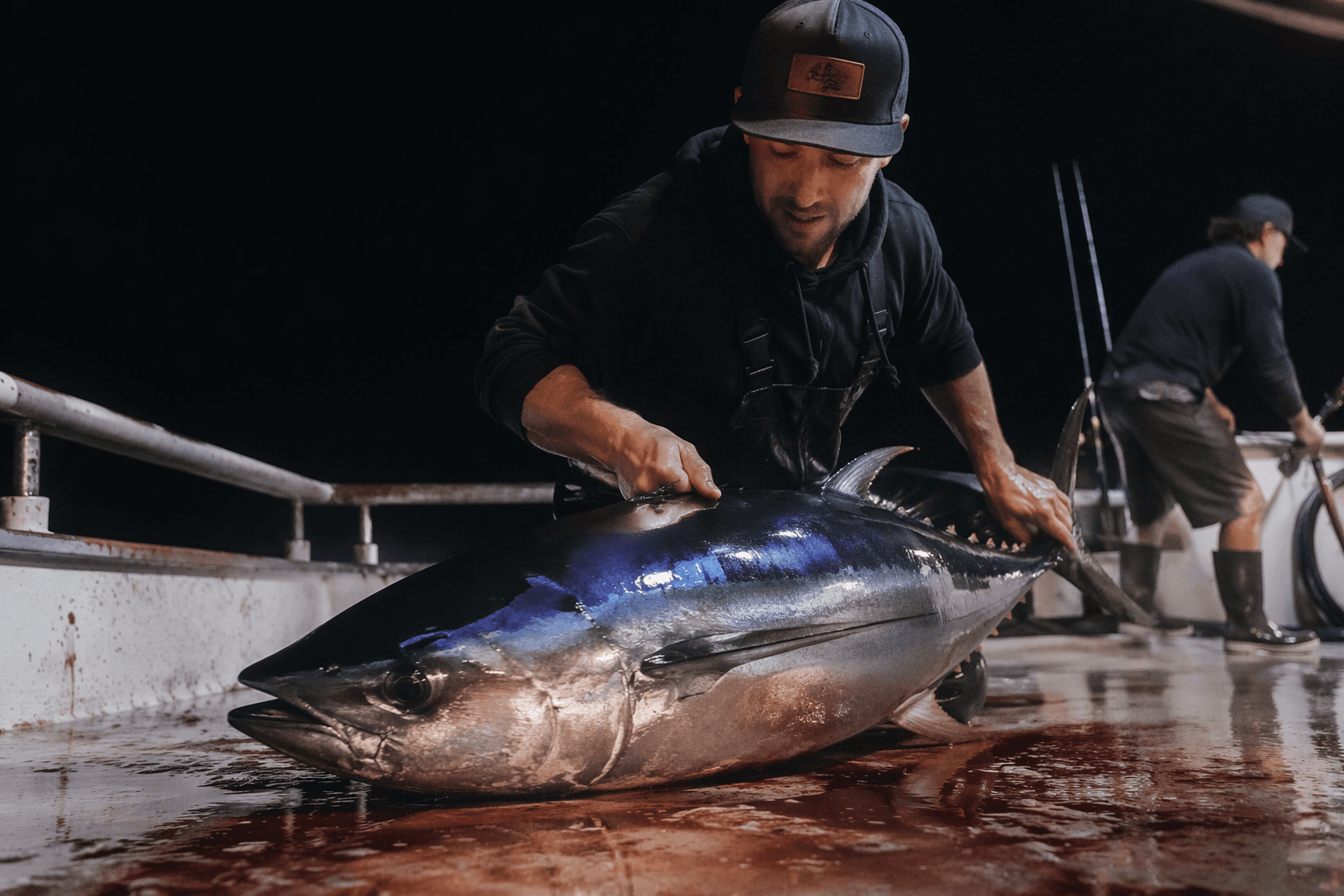
Red Rooster III found a mixed-grade bluefin bite that stayed hot long enough to keep the rail busy for most of the night. The boat’s Trip #4-2026, a June 21-24 three-day run, put anglers into fish from 25 to 80-plus pounds, the kind of spread that tells you the school was not all school-size and not all home-run bluefin either.
That mix changes how you fish it. A 25-pound bluefin can chew through a quick-tune night program, but 80-plus-pound fish punish sloppy tackle and rushed hooks. Anglers booking a run this week should be ready for both ends of the bite: fast-moving presentations that can stay in the rotation after dark, plus stronger terminal gear and cleaner deck work for the better-grade fish that show up when the school is feeding hard.
The report landed on June 22, 2026, and the boat runs out of San Diego through H&M Landing. Red Rooster III is a 105-by-27-foot long-range boat that sleeps 30 and is captained by Andy Cates, which makes it a familiar platform for crews chasing offshore tuna without guessing about the ride or the rail space. The crew’s note that things were looking up for the next few days matters as much as the fish count, because bluefin trips are often won or lost on whether the night bite lasts after the first push of fish.
California’s recreational bluefin limit remains two fish per angler in state waters, and federal rules put the responsibility on the vessel operator to make sure bag and possession limits are not exceeded. That matters when the grade mix is swinging from 25-pound fish to 80-plus-pound fish, because the deck has to stay organized while the count stays legal.
The larger backdrop is encouraging for Southern California anglers who have been watching this fishery closely. Pacific bluefin are managed as a single Pacific-wide stock, with spawning in the western North Pacific and juveniles feeding in the eastern Pacific before moving back west to mature. NOAA says the U.S. commercial catch limit for 2025-2026 is 1,872.85 metric tons, with no more than 1,285 metric tons in a single year, and that figure reflects a nearly 80 percent increase from the most recent biennial limit. On the water, Red Rooster III’s night bite showed exactly why the bluefin run still has crews checking the forecast and rigging for dark hours: when the school stays up and feeding, the rail stays busy.
This article was produced by Prism’s automated news system from verified source data, official records, and press releases, then run through automated quality and moderation checks before publishing. The system is built and supervised by the people who set the standards it runs under. Read our full AI policy.
Know something we missed? Have a correction or additional information?
Submit a Tip