Top tuna fishing podcast episodes prepare anglers for summer hunts
These tuna podcast episodes are a pre-trip tune-up for bluefin, yellowfin, and bigeye hunters. They sharpen tactics, electronics, and fishery context before you clear the inlet.
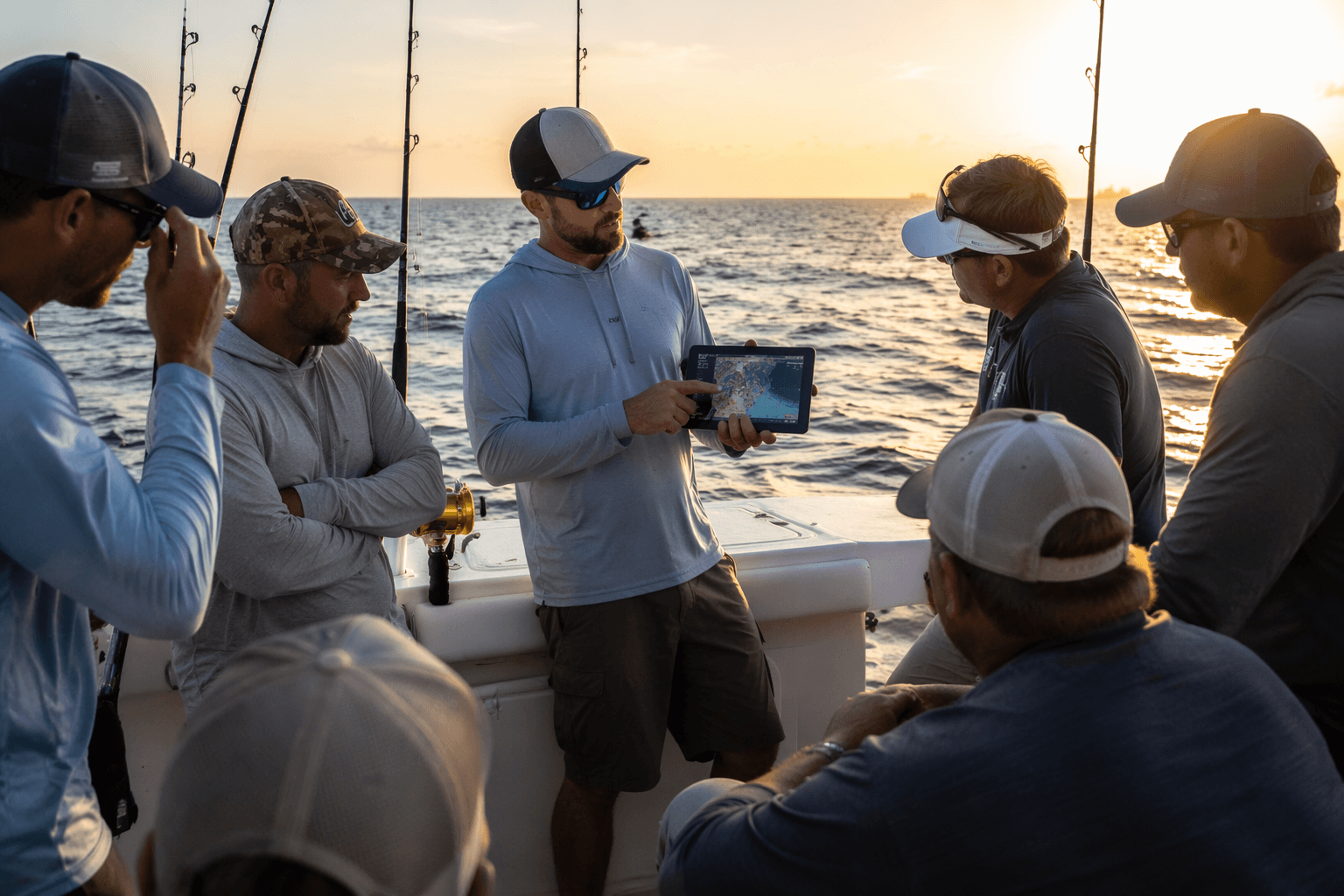
The smartest fuel you can burn before a summer tuna run is a few hours in the headphone jack. On The Water’s roundup pulls together episodes that help you fish bluefin, yellowfin, and bigeye with better timing, better electronics, and a cleaner read on the rules once you leave the dock. Since launching the podcast in 2022, the show has mixed captains, fishery regulators, marine biologists, and anglers from New Jersey to Maine, which makes it useful in the exact way a pre-trip guide should be.
Bluefin prep starts with the hands-on stuff
Captain Domenic Petrarca on run-and-gun light tackle
Episode 11, Hunting Bluefin Tuna with Captain Dom Petrarca, is the one to hear if your summer plan still revolves around spinning gear and moving fast. On The Water frames Petrarca as one of the godfathers of the Northeast bluefin scene, and the episode description says he has spent more than two decades pursuing bluefin on light tackle. That is the kind of background that helps you tighten up your own approach before a trip, especially if you are trying to cover water without wasting time on a dead drift.
Captain Jack Patrican and the center-console reality
Episode 33, Bluefin Tuna with Captain Jack Patrican, brings a different kind of bluefin education: the center-console world. On The Water identifies Patrican as the only center-console captain on *Wicked Tuna*, which makes the episode worth a listen if your boat is built more like a working platform than a giant cockpit. Later coverage from Everglades Boats also highlighted his day-in, day-out dependence on an Everglades, which fits the same practical angle: this is a listen about making a smaller, more nimble boat do serious tuna work.
Captain Rob Taylor and Captain Deane Lambros for big-fish thinking
Episode 30, From the Surf to the Tuna Grounds with Captain Rob Taylor, is aimed at anglers who want to understand giant bluefin hunting from someone who is good at finding big fish. That matters because the biggest bluefin trips are rarely about one magic trick; they are about reading water, covering the right grounds, and staying patient long enough for the right push to show up. Episode 57, Canyon Running with Captain Deane Lambros, adds the offshore mindset, with a focus on filling the fish box and building that edge-of-the-bite experience that separates a long ride from a productive one.
Bigeye and yellowfin are where electronics start paying rent
Captain Steve Fernandez and the modern canyon game
Episode 75, Creative Canyon Fishing with Captain Steve Fernandez, is the offshore listen that matters most if bigeye are on your target list. The episode focuses on omni sonar for jig-and-pop work in the canyons, and that is exactly the kind of modern electronics-driven detail you want in your head before you point the bow offshore. On The Water says Fernandez runs the 64-foot Viking *Five Seas* and specializes in offshore pelagic fishing for bigeye, yellowfin, and giant bluefin tuna in New York, Florida, and the Bahamas, which tells you this is not theory. It is a working template for how tuna fishing looks when range, sonar, and bait decisions all have to line up.
The science episodes are not filler, they are trip insurance
Dr. Walt Golet on bluefin biology and management
Episode 37, Bluefin Tuna Biology with Dr. Walt Golet, is the one that keeps the whole bluefin story from turning into tackle talk alone. Golet is a University of Maine marine scientist whose work focuses on highly migratory species, including tunas, billfish, and sharks, so the episode gives you a better read on why bluefin behavior and management are linked. NOAA says Atlantic bluefin management depends on understanding mixing and movement between eastern and western Atlantic populations, and that is not an abstract detail when you are planning a bite window or trying to understand why rules shift.
That regulatory piece is especially relevant now. NOAA adjusted Atlantic bluefin tuna recreational retention limits effective June 1, 2026, and said those limits can stay in place through December 31, 2026 unless modified again. NOAA’s 2026 feature on western Atlantic bluefin also said a 30-year tagging study showed conservation measures created a refuge that helped bluefin recover, which is the kind of background that makes the biology episode a lot more than a casual science break.
Dr. Jeff Kneebone on yellowfin movement and origin
Episode 14, Tagging Yellowfin and Sharks with Dr. Jeff Kneebone, is the yellowfin episode that does the most practical work before you leave the dock. Kneebone’s research at the New England Aquarium includes yellowfin tuna, bluefin tuna, common thresher sharks, and false albacore, and the episode description says he digs into whether canyon yellowfin swim as far as Africa and how science can improve fishing practices. That question matters because yellowfin are not just showing up at random; their movement patterns shape where and when canyon crews should focus.
NOAA says ICCAT assesses Atlantic yellowfin abundance and evaluates the sustainability of current and proposed harvest practices, so the policy side is tied directly to the bite. Research on western Atlantic yellowfin has also found that many adults in the Gulf of Mexico and Mid-Atlantic Bight were of Caribbean Sea origin. If you fish summer canyons, that is the sort of fact that changes how you think about where your yellowfin are coming from and how far they may have traveled before they hit your spread.
Why this playlist works before you run offshore
The whole roundup works because it does not separate catching tuna from understanding tuna. On The Water’s show covers the scenes, characters, and practical decisions around Northeast fishing, and these episodes give you the kind of prep that pays off before the first rod goes in a holder: Petrarca for light-tackle bluefin, Patrican for center-console reality, Fernandez for canyon electronics and bigeye, and Golet and Kneebone for the science behind bluefin and yellowfin movement. That is the useful part of the listen, and it is the part that can save time once you are finally pointed toward the grounds.
This article was produced by Prism’s automated news system from verified source data, official records, and press releases, then run through automated quality and moderation checks before publishing. The system is built and supervised by the people who set the standards it runs under. Read our full AI policy.
Know something we missed? Have a correction or additional information?
Submit a Tip